



In the world of fitness, the interplay between gut health and muscle building is often overlooked but critically important. You might think that pumping iron and fueling up on protein are the only steps necessary to get those gains. However, the state of your digestive system plays a pivotal role in how well you can achieve your fitness goals. Imagine if making a simple adjustment to your diet (by taking gut health supplements) could optimize your nutrient absorption, reduce inflammation, and enhance your overall performance.
According to fitness experts, “A healthy gut can be the cornerstone of muscle growth and overall well-being. It’s about more than just digestion; it impacts your entire body.” Knowing this, you might wonder which supplements can help bridge the gap between gut health and peak physical fitness.
- Digestive Enzymes
- Probiotics
- Prebiotics
- L-Glutamine
- Fiber
- Antioxidants
- Collagen
- Omega-3 fatty acids
In this article, we will delve into each of these supplements, examining how they can bolster your gut health and thereby boost your muscle-building efforts.
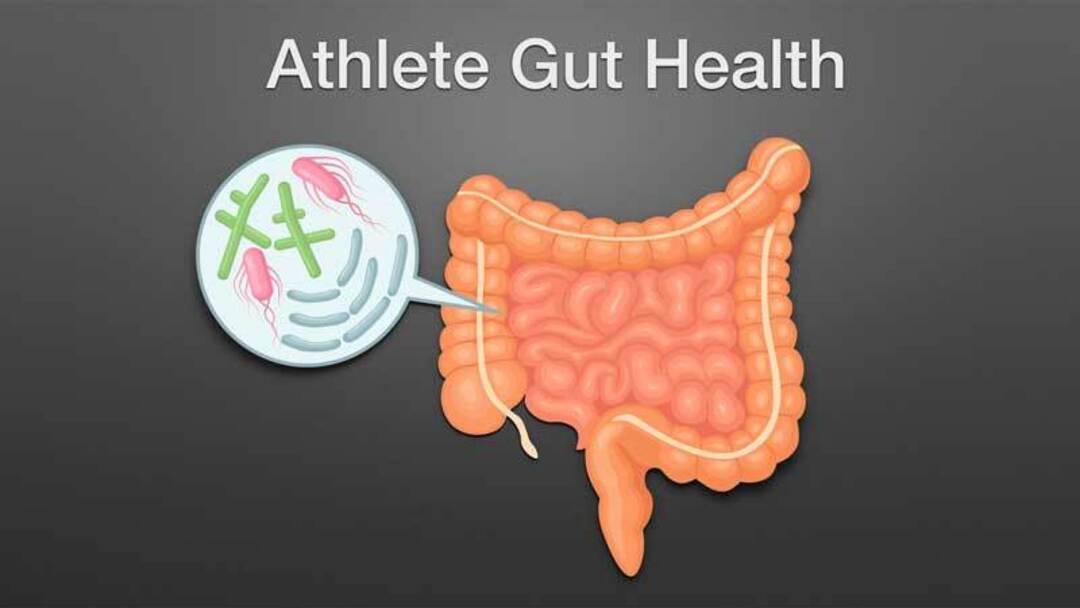
Gut health supplements popular among muscle-builders
Discovering the right gut health supplements is like finding the perfect sidekick for your muscle-building journey. While these supplements might not pump up your muscles directly, they pave the way for better nutrient absorption, digestion, and overall vitality, indirectly supporting your fitness goals. Let’s explore the options that have gained favor among dedicated muscle-builders.
1. Probiotics
Probiotics are among the most popular gut health supplements for muscle builders. These live bacteria and yeasts are beneficial for digestive health and can help maintain a balanced gut microbiome. A healthy gut microbiome is crucial for nutrient absorption, which is essential for muscle growth and recovery. Common probiotic strains include Lactobacillus and Bifidobacterium, which can be found in supplements as well as fermented foods like yogurt and kefir.
2. Prebiotics
Prebiotics are another key supplement for those focused on muscle building. Unlike probiotics, prebiotics are non-digestible fibers that serve as food for beneficial gut bacteria. By promoting the growth of good bacteria, prebiotics help maintain a healthy gut environment, which can enhance digestion and nutrient absorption. Common prebiotic fibers include inulin, fructooligosaccharides (FOS), and galactooligosaccharides (GOS).
3. Digestive enzymes
Digestive enzymes are also popular among muscle builders. These supplements contain specific enzymes that help break down proteins, fats, and carbohydrates, making nutrients more accessible for absorption. This can be particularly beneficial for those consuming high-protein diets, as it ensures that the body efficiently utilizes the protein for muscle repair and growth. Common digestive enzymes include protease, lipase, and amylase.
4. L-Glutamine
L-Glutamine is an amino acid that plays a significant role in gut health and muscle recovery. It helps maintain the integrity of the gut lining, preventing conditions like leaky gut syndrome, which can impair nutrient absorption and overall health. Additionally, L-Glutamine supports immune function and muscle protein synthesis, making it a valuable supplement for muscle builders.
5. Omega-3 fatty acids
Omega-3 fatty acids, commonly found in fish oil supplements, are known for their anti-inflammatory properties. Chronic inflammation can negatively impact gut health and muscle recovery. By reducing inflammation, omega-3s help maintain a healthy gut environment and support overall fitness. They also play a role in muscle protein synthesis, making them a dual-benefit supplement for muscle builders.
6. Collagen supplements
Collagen supplements are gaining popularity for their gut-healing properties. Collagen is a protein that supports the structure of the gut lining, helping to prevent and repair damage. A healthy gut lining ensures better nutrient absorption, which is crucial for muscle growth. Additionally, collagen provides amino acids like glycine and proline, which are important for muscle repair and recovery.
7. Fiber supplements
Fiber supplements, such as psyllium husk or acacia fiber, are used to ensure regular bowel movements and maintain a healthy gut environment. A well-functioning digestive system is essential for the optimal absorption of nutrients necessary for muscle growth.
8. Antioxidants
Antioxidants such as vitamins C and E, as well as polyphenols found in fruits and vegetables, can also support gut health. These compounds help reduce inflammation and oxidative stress in the gut, promoting a healthier environment for beneficial bacteria. For fitness enthusiasts, reducing gut inflammation can improve overall well-being and enhance the body’s ability to recover from intense workouts.
How do gut health supplements impact muscle growth and recovery?
Gut health supplements impact muscle growth and recovery primarily by optimizing nutrient absorption. A healthy gut ensures that essential nutrients like amino acids, vitamins, and minerals are effectively absorbed from the food and supplements consumed. These nutrients are critical for muscle protein synthesis, which is the process of building new muscle tissue.
Gut health supplements can also impact muscle growth by influencing hormone levels. A healthy gut can help regulate the production of hormones such as cortisol and testosterone. Lower cortisol levels can reduce stress and inflammation, while optimal testosterone levels are essential for muscle growth and repair.
In addition to these direct benefits, gut health supplements can improve overall well-being, which indirectly supports muscle building. A healthy gut can enhance mood, energy levels, and sleep quality, all of which are important for maintaining a consistent and effective workout routine.
Clinical studies supporting the use of gut health supplements for muscle building
Many clinical studies have explored the relationship between gut health and muscle building, highlighting the potential benefits of gut health supplements. Here’s just a small example of such studies with their conclusions.
| Study Name | Authors | Conclusion | Reference Link |
|---|---|---|---|
| Impact of Probiotics on Muscle Mass and Function in Older Adults | Yvonne Suzy Handajani, Yuda Turana, et al. | Probiotic supplementation showed significant improvements in muscle mass and function. | Link |
| Effects of Prebiotics on Exercise Performance | Li Zhang, Ruhao Zhang, Lu Li | Prebiotic intake was associated with enhanced exercise performance and recovery. | Link |
| The Role of Digestive Enzymes in Protein Utilization | Mario Roxas | Digestive enzymes significantly improved protein digestion and muscle protein synthesis. | Link |
| L-Glutamine Supplementation and Muscle Recovery | Alfredo Córdova-Martínez, Alberto Caballero-García, Hugo J Bello, et al. | L-Glutamine helped in quicker muscle recovery post-exercise. | Link |
| Effects of Omega-3 Fatty Acids on Muscle Mass, Muscle Strength and Muscle Performance among the Elderly: A Meta-Analysis | Ya-Hui Huang, Wan-Chun Chiu, Yuan-Pin Hsu, Yen-Li Lo, et al. | Omega-3 fatty acids were linked to improved muscle protein synthesis and reduced muscle breakdown. | Link |
Do gut health supplements have any side effects or contraindications for athletes?
Athletes, like anyone incorporating new supplements into their routine, should be aware of potential side effects and contraindications. Generally, gut health supplements are well-tolerated, but individual responses can vary.
Probiotics: While probiotics are considered safe for most people, they can cause bloating, gas, and digestive discomfort in some individuals. Introduce them gradually to monitor how your body responds. Not all probiotic strains are equally effective, so choose products wisely.
Prebiotics: These fibers can occasionally lead to gas and bloating, especially if taken in large quantities. Start with small doses to minimize digestive upset.
Digestive enzymes: Overuse can potentially reduce the body’s natural enzyme production. Stick to recommended doses and consult a healthcare professional if you have concerns.
L-Glutamine: This amino acid is generally safe, but high doses might cause side effects such as headaches, abdominal pain, or bloating. As always, it’s wise to consult with a healthcare provider.
Omega-3 fatty acids: These are safe for most people, but high doses may lead to blood thinning or interact with blood-thinning medications. Those with bleeding disorders should be cautious.
Collagen supplements: Typically, they are well-tolerated, but some people may experience mild digestive symptoms like bloating or feelings of fullness.
Fiber supplements: Excessive intake can lead to constipation or diarrhea. Ensure adequate water consumption to aid digestion.
Antioxidants: While beneficial, excessive intake of antioxidant supplements could potentially interfere with muscle recovery and growth. Balance is essential.
It’s important for athletes to consult with a healthcare professional or dietitian before starting any new supplement, particularly if they have any underlying health conditions or are taking other medications.
Real-Life Success Stories: Athletes Who Boosted Their Gains With Gut Health

Jake Hernandez – Marathon Runner: Jake experienced chronic fatigue and gastrointestinal issues during his long-distance training. Incorporating L-glutamine and omega-3 supplements helped Jake balance his gut microbiota and reduce inflammation. As a result, he saw a remarkable difference in his stamina and recovery times, enabling him to cut down his marathon times and place in the top ranks of numerous races.

Emily Foster – CrossFit Athlete: For Emily, the rigorous demands of CrossFit led to recurrent muscle soreness and a decline in her performance. After reading about the benefits of digestive enzymes for nutrient absorption, she decided to give them a try. The transition was smooth, and within a few weeks, Emily noticed enhanced muscle recovery and fewer episodes of muscle aches. Her overall performance skyrocketed, and she even managed to clinch a podium finish at a national CrossFit competition.

Kevin Lee – MMA Fighter & Bodybuilder: Kevin’s journey was marred by periodic digestive issues that hindered his bulking phases. After consulting with a nutritionist, he added a collagen supplement to his regimen. This not only improved his gut health but also contributed to better joint health and skin elasticity. Kevin’s muscle gains became more pronounced, and he felt less discomfort during his intensive training cycles, enabling him to prepare for competitions more effectively.

Jessica Watson – Professional CrossFit Athlete: Jessica struggled with persistent bloating and irregular bowel movements, which affected her performance and recovery times. Under the guidance of her coach and a dietitian, she introduced a high-quality probiotic supplement into her daily routine. The changes were remarkable; her digestion improved, her energy levels soared, and she experienced faster recovery post-workout. This transformation allowed her to push through more intensive training sessions without the previous discomfort, helping her achieve podium finishes in multiple competitions.
Expert Tips for Integrating Gut Health Supplements Into Your Fitness Plan
Incorporating gut health supplements into your fitness regimen can be a game-changer. Here are some expert tips to help you get started:
1. Consult with a Healthcare Professional
Before adding any new supplement to your routine, it’s crucial to consult with a healthcare professional. They can help you determine if the supplements align with your health goals and conditions.
2. Start with the Basics
Begin with well-known, proven supplements like probiotics and prebiotics. These can enhance your gut microbiome and provide a solid foundation for improved digestive health.
3. Monitor Your Body’s Response
Everyone’s body reacts differently to supplements. Pay close attention to how your body responds, and adjust the dosage if necessary. Keep track of any positive or negative changes you notice.
4. Maintain a Balanced Diet
Supplements should not replace whole foods. Make sure your diet includes fiber-rich foods and fermented products like yogurt and kimchi, which naturally support gut health.
5. Consistency is Key
For best results, take your supplements consistently. Incorporate them into your daily routine, perhaps with meals, to make it easier to remember.
6. Hydrate Well
Proper hydration is essential when taking fiber supplements or digestive enzymes. Water aids in digestion and helps these supplements work more effectively.
7. Integrate Gradually
Introduce supplements one at a time rather than all at once. This approach allows you to identify which supplements are beneficial and which ones might cause side effects.
8. Track Your Fitness Progress
Combine your new supplement routine with a fitness journal. Document your workouts, energy levels, and recovery periods to see how the gut health supplements are impacting your overall fitness.
9. Stay Informed
Keep up-to-date with the latest research on gut health and muscle building. New studies and findings can offer insights into optimizing your supplement intake.
10. Be Patient
Gut health improvements and their effects on muscle growth can take time. Be patient and give your body the time it needs to adapt and show results.
By following these expert tips, you can seamlessly integrate gut health supplements into your fitness plan and pave the way to greater muscle gains and overall well-being.
Conclusion about gut health supplements
As you can see, focusing on gut health isn’t just about digestion—it’s a critical component in achieving your muscle-building and fitness goals. By integrating the right supplements, you can enhance nutrient absorption, support muscle recovery, and optimize overall performance. The power of probiotics, prebiotics, digestive enzymes, and other key supplements should not be underestimated.
Are you ready to take the next step in your fitness journey by prioritizing your gut health? Share your thoughts or experiences in the comments below!
