


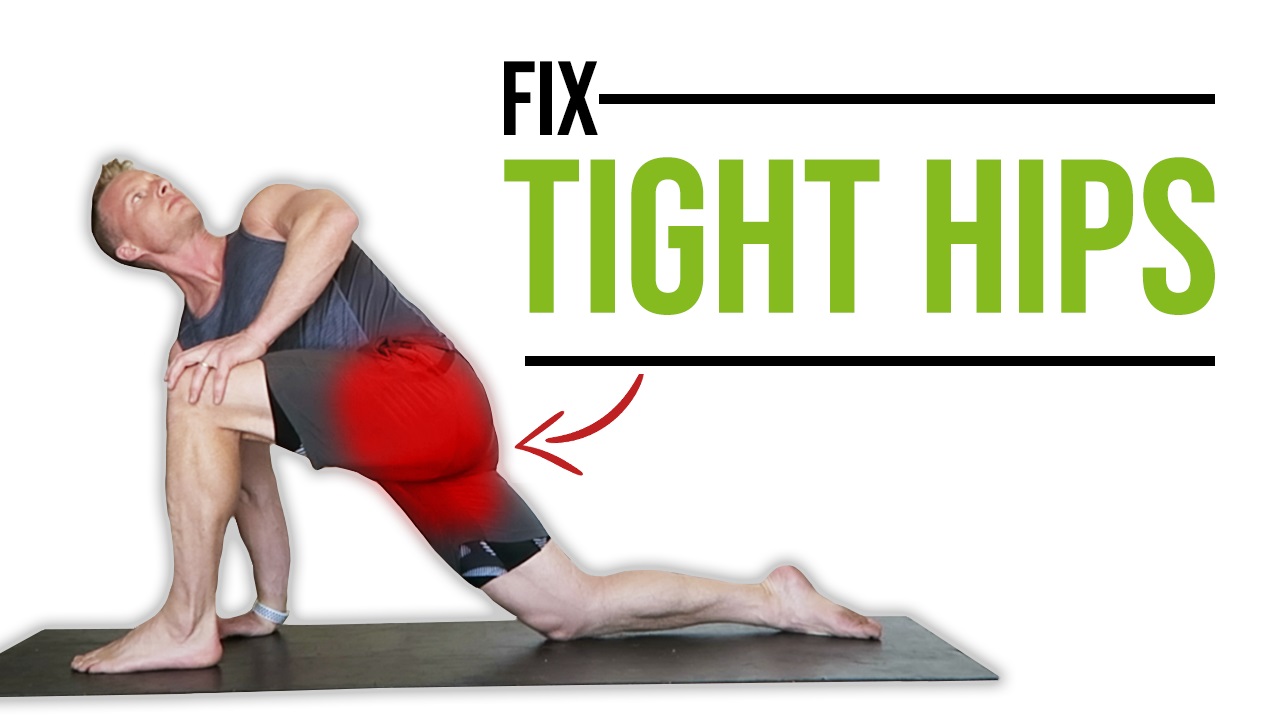
Healthy, mobile hips are the foundation of effective movement in both daily life and serious training. Whether you’re a bodybuilder squatting with a loaded barbell or someone sitting at a desk all day, tight hips can wreak havoc on performance, posture, and comfort. This guide breaks down the top 6 hip stretches that not only improve mobility but also help relieve pain and prevent common overuse injuries.
Why Hip Stretching Matters
The hips are one of the most powerful and dynamic joints in the human body, responsible for walking, running, lifting, and stabilizing nearly every compound movement. However, they are also prone to stiffness and imbalance, especially in people who:
- Lift weights frequently (especially squats, deadlifts, leg presses)
- Sit for prolonged periods (desk jobs, driving)
- Sleep on the same side every night
- Have experienced glute or lower back discomfort
Neglecting hip mobility can lead to:
- Piriformis syndrome
- Gluteal tendinopathy
- Trochanteric bursitis
- Sacroiliac joint (SIJ) dysfunction
- Reduced squat depth and poor form
These conditions are relatively common among athletes and individuals who regularly engage in weightlifting. Piriformis syndrome and gluteal tendinopathy often develop due to muscular imbalances and overuse. Trochanteric bursitis is frequent in those who sleep on one side or perform repetitive hip movements. SI joint dysfunction usually occurs with heavy squatting or prolonged sitting, while reduced squat depth and poor form are standard when hip mobility is limited or neglected.
Incorporating hip stretching into your weekly routine improves muscle activation, reduces joint compression, and enhances your body’s ability to move through a full range without restriction or pain.
When and How Often to Stretch Your Hips
- Before training (leg day), use dynamic stretches like hip CARs and hip flexor mobilization to prep the joint
- After training or in the evening, use static stretches like pigeon pose and figure 4 to release tension
- On rest days, short stretching sessions help with recovery and alignment
💡 Frequency:
Stretch at least 4–5 times per week for 10–15 minutes. You can rotate exercises or do all six together, depending on your available time.
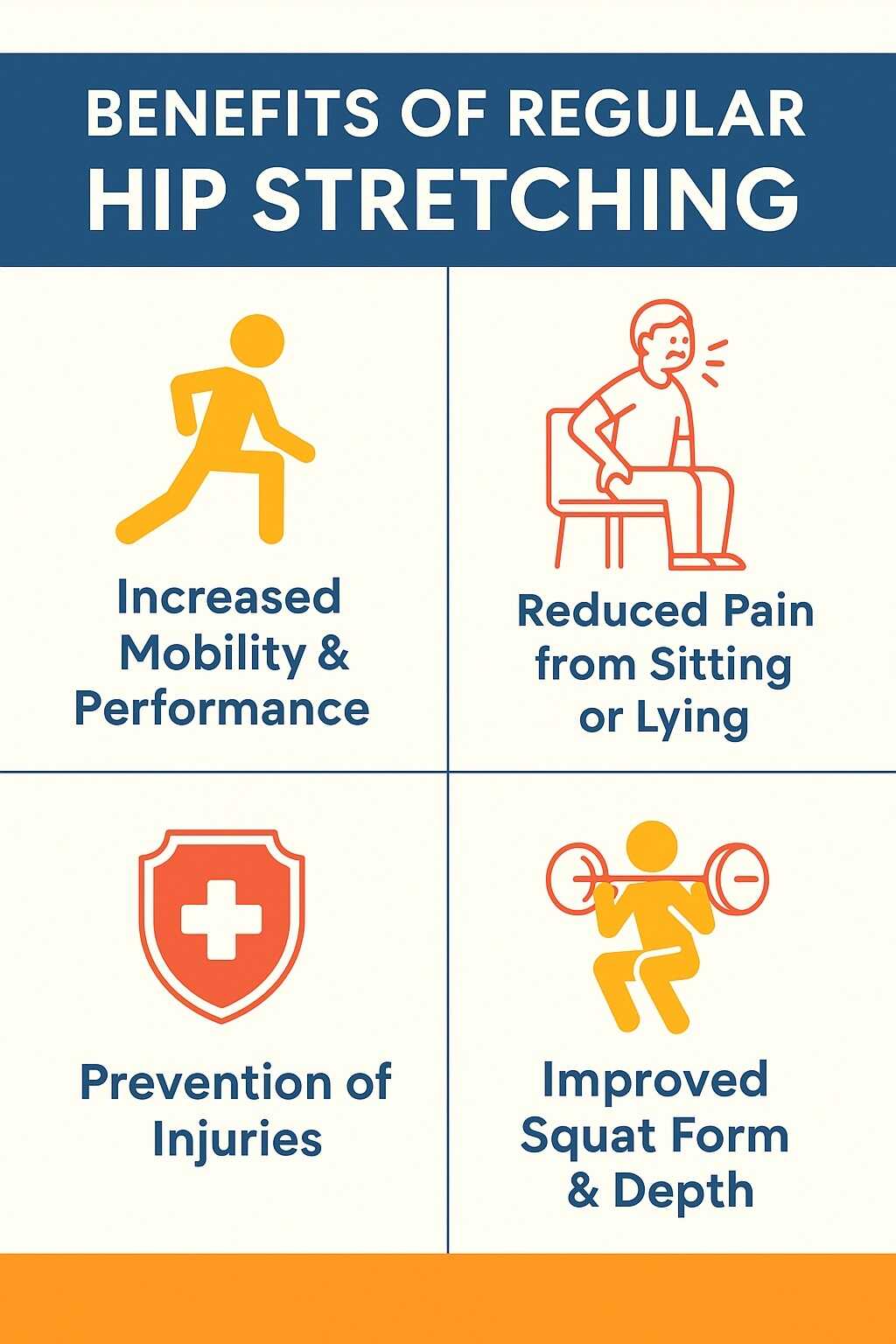
🔝 Top 6 Hip Stretches You Need
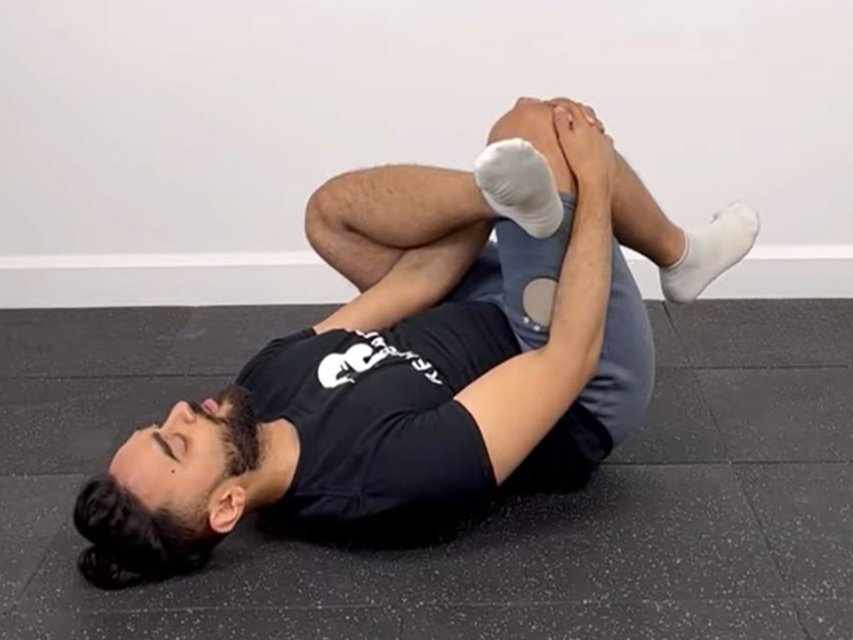
1️⃣ Figure 4 Stretch (Supine Piriformis Stretch)
Target area: Piriformis, gluteus maximus, and medius
How to do it:
- Lie on your back, knees bent.
- Cross your left ankle over your right thigh (like a figure “4”).
- Grab the back of your right leg and gently pull it toward your chest.
- Hold for 30 seconds. Switch sides.
Why it works:
Perfect for relieving pressure on the sciatic nerve and reducing glute tightness caused by overtraining or prolonged sitting.
2️⃣ Standing Hip Flexor Stretch
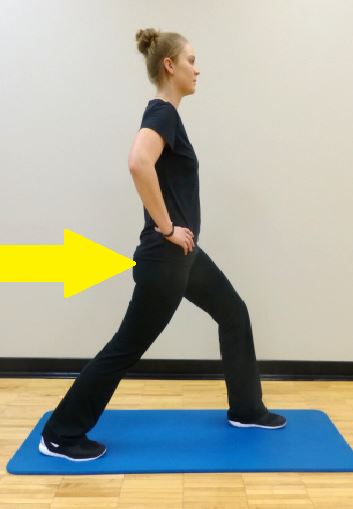
Target area: Hip flexors (psoas, rectus femoris)
How to do it:
- Stand in a split stance (right foot forward, left foot back).
- Keep your torso upright and gently push your hips forward.
- You should feel a stretch in the front of your left hip.
- Hold for 30–60 seconds. Switch sides.
Why it works:
Hip flexors get chronically tight from sitting. This stretch helps restore balance, improve posture, and reduce anterior pelvic tilt.
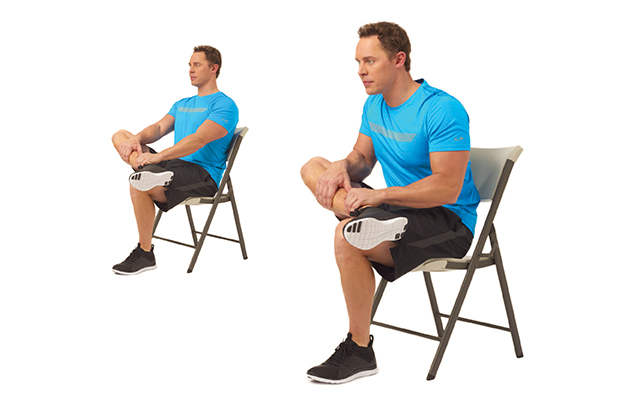
3️⃣ Seated Glute Stretch
Target area: Gluteus medius, piriformis
How to do it:
- Sit upright on a chair or bench.
- Cross your left ankle over your right knee.
- Lean forward with a straight back until you feel a stretch in the left glute.
- Hold for 30 seconds. Switch sides.
Why it works:
Great stretch for relieving deep hip tension without needing to get on the floor — perfect for office workers or warm-up before leg day.
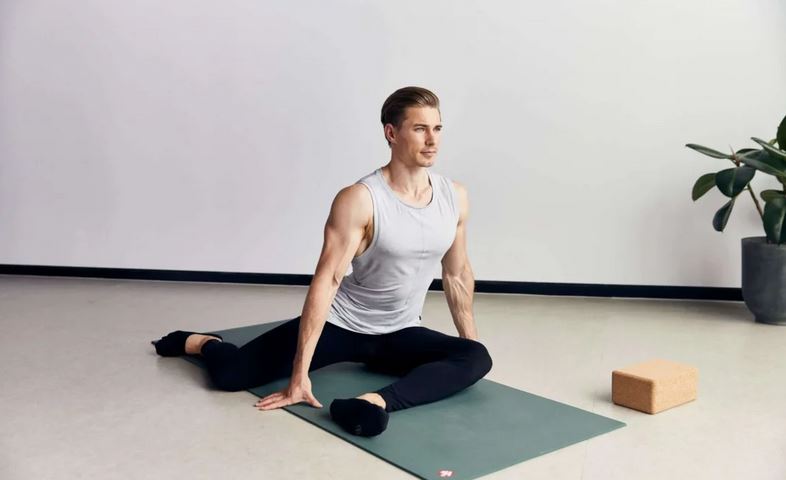
4️⃣ 90/90 Hip Mobility Stretch
Target area: Internal and external rotators of the hip
How to do it:
- Sit with your left leg in front of you, bent at 90°, and your right leg to the side, also at 90°.
- Keep your torso upright and hinge forward over your front leg.
- Hold 30 seconds. Switch sides.
Why it works:
Enhances rotation control, essential for hip health, deep squats, and injury prevention.
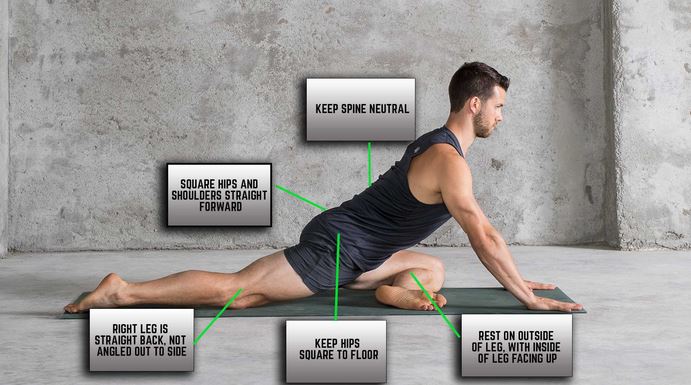
5️⃣ Pigeon Pose (Yoga Stretch)
Target area: Deep glutes, piriformis, rotators
How to do it:
- From a plank or lunge position, bring your left knee forward and rest it near your left hand.
- Extend your right leg behind you and lower your hips.
- You can rest on your hands or forearms.
- Hold for 30–60 seconds. Switch sides.
Why it works:
One of the deepest hip openers — ideal for unlocking chronic tension and improving hip range for lifts like deadlifts and squats.
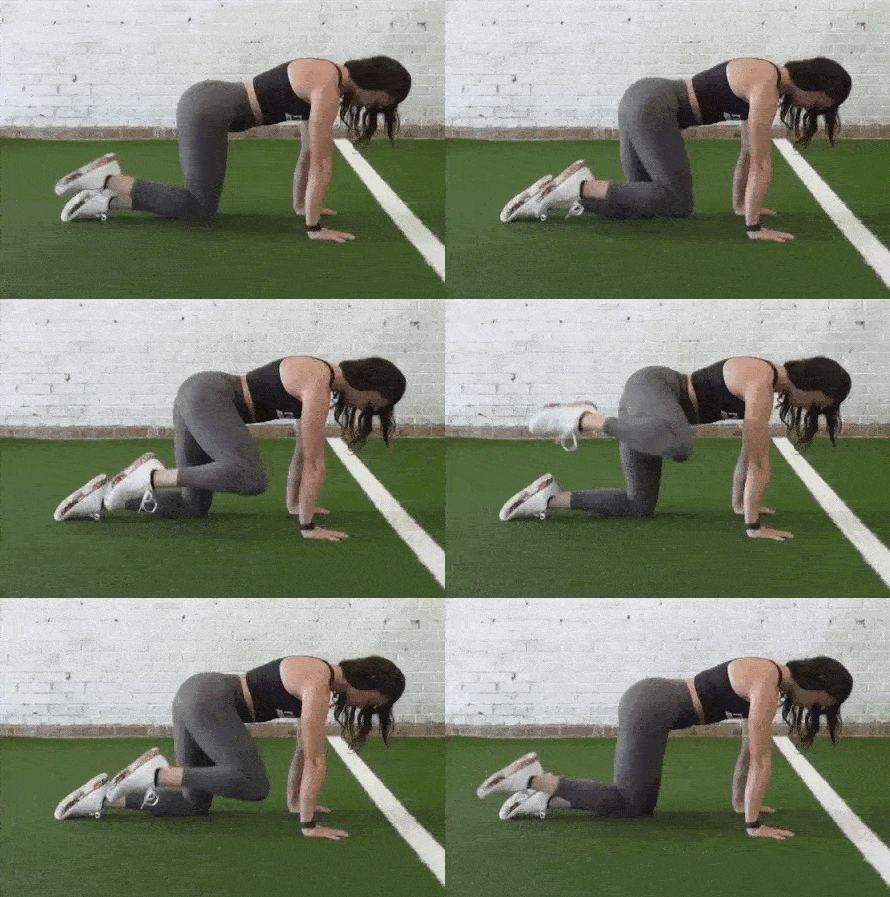
6️⃣ Hip CARs (Controlled Articular Rotations)
Target area: Full hip joint mobility and control
How to do it:
- On all fours (hands under shoulders, knees under hips), lift one knee outward like a dog peeing.
- Rotate the hip in a full circle, slowly and with control.
- Reverse the direction.
- 5–6 reps each side.
Why it works:
Builds active mobility, not just flexibility. Helps you control your hip joint through its full range, essential for injury-free lifting.
How to Integrate These Stretches Into Your Weekly Routine
| Routine Type | Suggested Exercises | Timing |
|---|---|---|
| Pre-Leg Day | Hip CARs, Standing Hip Flexor, 90/90 Stretch | 5–10 mins before |
| Post-Leg Day | Pigeon Pose, Figure 4, Seated Glute Stretch | 10 minutes after |
| Active Recovery | All 6 or a rotation of 3 | Rest days, evenings |
Coach’s Perspective: Why You Shouldn’t Skip Hip Mobility
As a fitness coach, I’ve seen too many lifters push through hip tightness until it becomes a chronic issue. Improving hip mobility isn’t “extra work” — it’s performance enhancement and injury insurance.
Better hip mobility means:
- Deeper, cleaner squats
- Less lower back compensation
- Improved posture and glute activation
And honestly? You’ll feel better overall. You’ll walk easier, sleep more comfortably, and train harder.
Final Takeaway
If you’re serious about your training — especially lower body work — then hip mobility work is non-negotiable. These six stretches are a powerful and time-efficient way to unlock your hips, reduce pain, and enhance your lifting performance. Start today. Your hips will thank you tomorrow.
