
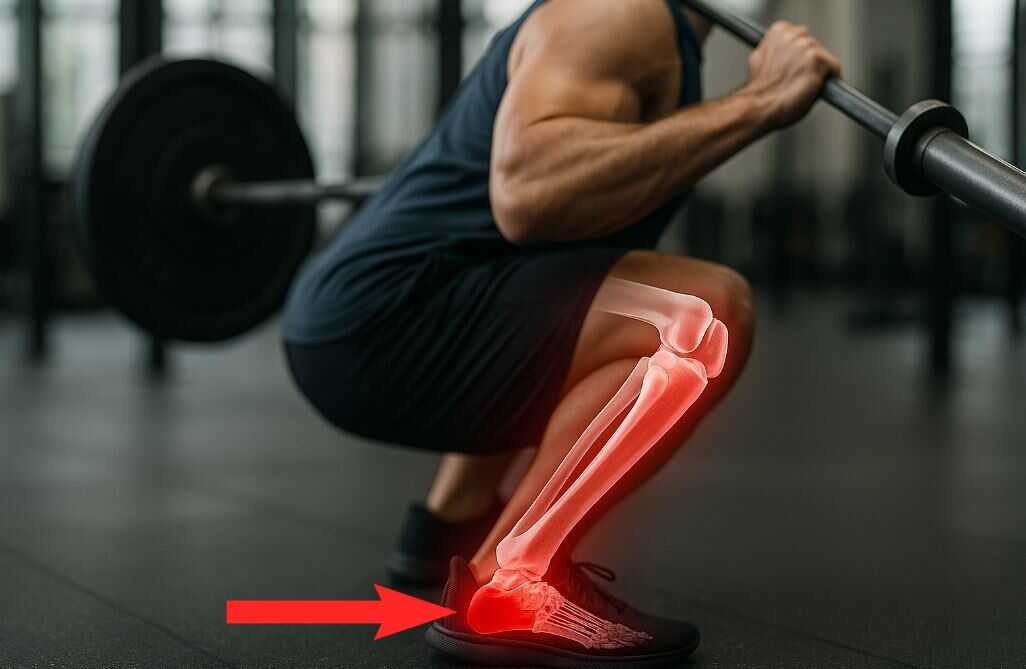
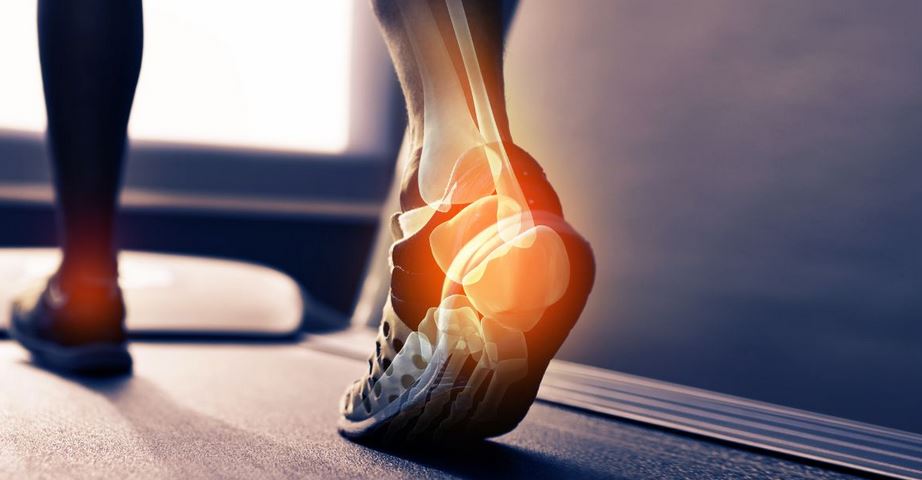
The calcaneus — commonly known as the heel bone — is the most prominent bone in the foot and one of the most important structures for lower-body performance. Every squat, deadlift, jump, sprint, and heavy leg movement depends on a stable and resilient calcaneus. Although it is often overlooked compared to the knee or hip, the calcaneus is a significant force distributor that affects power output, posture, foot mechanics, and injury risk in athletes and bodybuilders.
In this guide, we break down the anatomy of the calcaneus for athletes, its biomechanics, muscle attachments, common injuries, training implications, and strategies to keep the heel bone strong, healthy, and pain-free.
What Is the Calcaneus?
Definition
The calcaneus is the foundational bone of the rearfoot and forms the structural base of the ankle and foot. It articulates with the talus above (forming the subtalar joint) and the cuboid in front, enabling shock absorption, force transfer, and smooth foot mobility during walking, running, and athletic movements.
In athletes, the calcaneus acts as a load-bearing lever, allowing powerful contractions of the calf muscles to translate into forward propulsion, vertical jump height, and stability during lifting.
Brief Anatomy of the Calcaneus
Understanding the anatomy of the calcaneus is essential for athletes to recognize how this powerful heel bone absorbs impact, transfers force, and supports nearly every lower-body movement.
A. Location
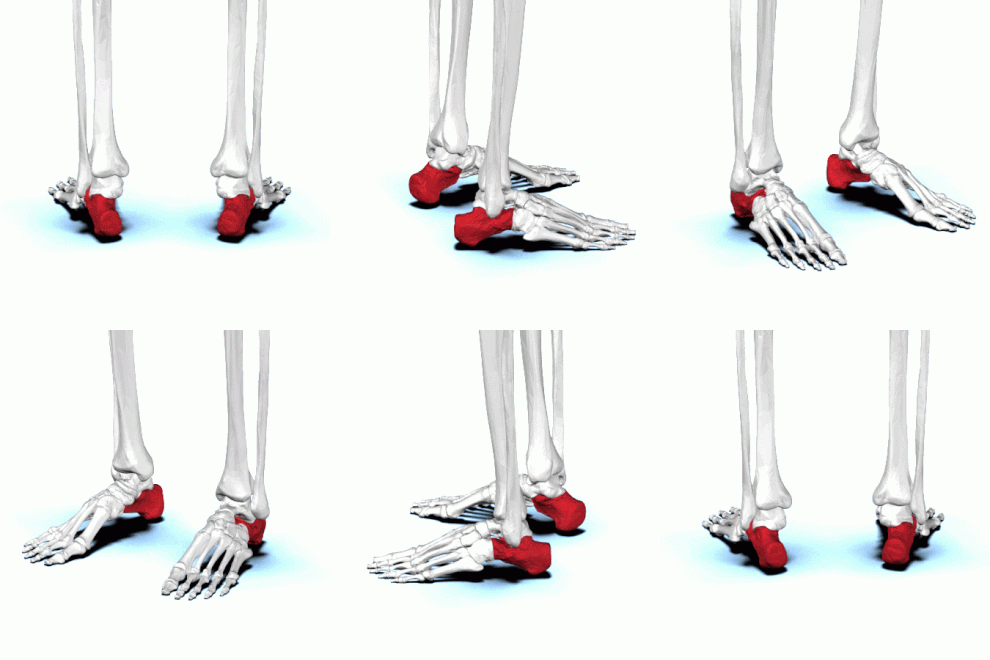
The calcaneus is located at the back of the foot, forming the posterior portion of the heel. It is situated beneath the talus and behind the cuboid bone. Its position makes it the first point of ground contact during walking, running, or landing from a jump.
B. Appearance & Structure
The calcaneus is a thick, irregular bone designed to absorb impact and handle massive compressive forces. Key structural features include:
- Calcaneal tuberosity: Main weight-bearing region (“heel bump”)
- Sustentaculum tali: Medial projection that supports the talus
- Anterior, middle, and posterior articular facets: Interface with the talus in the subtalar joint
- Calcaneal groove: Pathway for foot tendons
- Lateral process: Often involved in ankle injuries
Its dense, spongy structure is optimized for impact absorption and force transfer.
C. Size
The calcaneus is the most prominent tarsal bone, typically measuring:
- Length: 6–8 cm
- Width: 3–4.5 cm
- Thickness: 2–3 cm
Its size reflects its role as the primary weight-bearing bone of the rearfoot.
Muscles, Tendons & Ligaments Connected to the Calcaneus
Although many structures influence or attach to the calcaneus, the most important ones for athletes include:
1. Achilles Tendon (Primary Attachment)
- Connects the gastrocnemius & soleus to the calcaneus
- Critical for running, jumping, calf raises, and explosive propulsion
2. Plantar Fascia
- Originates from the medial calcaneal tuberosity
- Supports the arch of the foot and stabilizes the entire lower limb during movement
3. Intrinsic Foot Muscles Influencing Calcaneus Mechanics
4. Ligaments
- Long plantar ligament
- Short plantar ligament
- Calcaneonavicular (“spring”) ligament
These help maintain arch structure and foot stability.
Blood Supply & Innervation
The calcaneus receives blood primarily from the medial and lateral calcaneal arteries, branches of the posterior tibial and peroneal arteries, respectively.
Innervation includes:
- Medial calcaneal nerve
- Lateral plantar nerve
- Tibial nerve (indirect influence)
These nerves contribute to heel sensation and stability.
Functions of the Calcaneus
1. Primary Load-Bearing Bone of the Heel
The calcaneus supports most of your body weight during standing, walking, running, and lifting.
2. Shock Absorption
Its spongy trabecular structure absorbs high levels of impact — especially in jumping and sprinting.
3. Lever for Calf Muscles
The calcaneus acts as a lever arm for the Achilles tendon, enabling powerful plantarflexion during:
- Jumps
- Sprints
- Calf raises
- Olympic lifts
- Deadlifts
4. Foundation for Foot Stability
The calcaneus shapes overall foot alignment, affects arch mechanics, and influences knee and hip positioning — crucial for athletes and strength training.
Calcaneus Biomechanics in Sports
The calcaneus plays a pivotal role in sports biomechanics. When the heel contacts the ground, it absorbs impact and redirects forces through the subtalar joint, helping the foot transition between pronation and supination. This movement determines gait efficiency, shock absorption, sprint acceleration, and stability during heavy lifts.
Strong calcaneus mechanics improve vertical jump power, reduce Achilles strain, and optimize force transfer throughout the lower limb. Poor calcaneal alignment — such as excessive pronation — can lead to ankle instability, plantar fasciitis, Achilles tendon overload, and reduced lower-body performance.
Exercises That Stress the Calcaneus
The calcaneus bears a tremendous load during athletic movement, especially during impact, explosive propulsion, or strong Achilles tendon engagement. Below is an expanded breakdown of the most common training patterns that place high mechanical stress on the heel bone — and why they matter for lifters and athletes.
1. Sprinting & Hill Running
Sprinting produces some of the highest ground-reaction forces in sports, and these forces travel directly through the calcaneus during heel strike or midfoot contact. Hill running amplifies this effect because the calf–Achilles unit must work harder to push the body up the hill.
2. Jump Training (Plyometrics)
Movements like box jumps, broad jumps, and depth jumps involve aggressive landing mechanics. Each landing can generate forces 3–6× bodyweight, which the calcaneus must absorb and redirect. Poor landing technique or high training volume can overload the heel bone and plantar fascia.
3. Heavy Calf Raises
Standing or seated calf raises place direct tensile force on the Achilles tendon, which attaches to the posterior surface of the calcaneus. The heavier the load — especially in the stretched position — the more stress accumulates at the Achilles–calcaneus interface.
4. Long-Distance Running
Distance running generates repetitive, cyclical loading through the heel with thousands of steps per session. Even relatively small forces, when repeated enough times, can create cumulative stress on the calcaneus and surrounding soft tissues.
5. Olympic Lifts (Cleans, Snatches, Jerks)
Explosive plantarflexion during the second pull and aggressive foot repositioning during catches increase stress through the heel. When landing into a squat, the calcaneus compresses force into the subtalar joint and plantar fascia.
Table 1: The table below highlights the most common exercises that place significant mechanical stress on the calcaneus (heel bone). For each movement, you can see the primary risk factor associated with that exercise and a practical tip to help athletes and lifters reduce heel-related strain and prevent injury during training.
| Exercise | Risk | Tip |
|---|---|---|
| Sprinting & Hill Running | Very high ground-reaction forces travel through the calcaneus and Achilles, increasing the risk of heel pain and tendon overload. | Use a higher cadence with shorter strides and include regular calf and Achilles mobility work before intense running sessions. |
| Jump Training (Plyometrics) | Landing forces can reach several times bodyweight, stressing the heel bone, plantar fascia, and subtalar joint. | Focus on soft, controlled landings through the midfoot and hips; avoid aggressive heel-first impact on every jump. |
| Heavy Calf Raises | High tensile load at the Achilles–calcaneus insertion, especially in the stretched position at the bottom. | Use a slow, controlled tempo and avoid bouncing at the bottom to reduce insertional Achilles and heel irritation. |
| Long-Distance Running | Repetitive impact can cause overuse stress to the calcaneus, plantar fascia, and surrounding soft tissues. | Rotate running surfaces and replace worn shoes regularly to maintain adequate heel cushioning and support. |
| Olympic Lifts (Cleans, Snatches, Jerks) | Explosive plantarflexion and rapid foot repositioning create sudden load spikes through the heel and subtalar joint. | Practice controlled footwork during the catch phase and use stable weightlifting shoes with solid heel support. |
Importance of the Calcaneus in Sports & Bodybuilding
The calcaneus is crucial for athletes/bodybuilders because it:
- Provides the base for all foot propulsion
- Supports heavy loads during squats and deadlifts
- Influences ankle stability and mobility
- Affects arch height and foot alignment
- Determines jumping and sprinting efficiency
A strong, healthy calcaneus means stronger lifts, better performance, and fewer injuries.
Common Injuries and Conditions Affecting the Calcaneus
Here we’ll list the most common calcaneus-related injuries without going into deep medical detail.
| Injury | Main Cause | Typical Symptoms | Risk for Athletes |
|---|---|---|---|
| Plantar Fasciitis | Overuse, poor footwear, tight calves, excessive pronation | Sharp heel pain, especially with the first steps in the morning | High (runners, lifters who stand a lot) |
| Achilles Tendonitis | Jumping, sprinting, hill running, sudden load increase | Pain and stiffness at the back of the heel, worse after activity | High in explosive and running-based sports |
| Calcaneal Stress Fracture | Repetitive impact, overtraining, inadequate recovery | Deep, localized heel pain that worsens with weight-bearing | Medium–high for high-volume runners and jump athletes |
| Heel Bursitis | Friction, pressure from tight shoes, repeated impact | Swelling, tenderness, and redness around the back of the heel | Medium, especially with poor footwear choices |
| Heel Spur | Chronic traction from the plantar fascia on the calcaneus | Sharp heel pain when standing or walking after rest | Medium, often coexisting with plantar fasciitis |
| Sever’s Disease (Youth Athletes) | Growth plate irritation from repetitive loading in growing athletes | Heel pain in children/teens during running and jumping | High in active kids and early teens involved in sports |
Common Treatments
Here is a detailed overview of the most effective treatment options for heel pain, along with guidance on when to use them and what to expect during recovery.
| Treatment Method | Description | When to Use It | Best For | Typical Duration |
|---|---|---|---|---|
| Rest & Load Reduction | Temporarily reducing high-impact or repetitive stress allows irritated heel structures to recover. | At the first sign of sharp heel pain or persistent soreness during weight-bearing activities. | Plantar fasciitis, Achilles irritation, stress reaction symptoms. | 3–7 days for mild pain; 1–3 weeks for overuse injuries. |
| Ice for Inflammation | Cold therapy decreases swelling and numbs irritated tissues around the calcaneus. | After running, jumping, or any session that increases pain or swelling. | Bursitis, plantar fascia flare-ups, mild impact trauma. | 10–15 minutes per session, 1–3 times per day as needed. |
| Stretching | Improves mobility of the calves and plantar fascia, reducing tension on the heel bone. | When morning heel pain or tight calves limit movement or worsen symptoms. | Plantar fasciitis, Achilles tightness, excessive pronation. | Daily stretching for 2–6 weeks for noticeable improvement. |
| Footwear Modification | Proper cushioning and stability help distribute forces more evenly through the heel. | When heel pain coincides with long standing, long walks, or hard-surface training. | Plantar fasciitis, heel spurs, chronic heel soreness. | Immediate effect; reassess shoes every 3–6 months. |
| Orthotics | Temporary inserts decrease stress on the heel and improve pronation mechanics. | When foot alignment or arch collapse contributes to heel pain. | Flat feet, overpronation, plantar fascia tension. | 2–8 weeks, depending on severity and response. |
| Physical Therapy | Targets underlying biomechanical issues through strengthening, mobility, and gait correction. | When pain persists beyond 1–2 weeks or impacts athletic training. | Achilles issues, chronic plantar fasciitis, recurring heel injuries. | 4–12 weeks depending on the injury and training load. |
| Medical Evaluation | Professional assessment to rule out fractures, tendon tears, or serious pathology. | When heel pain is severe, sudden, or fails to respond to conservative care. | Suspected stress fractures, traumatic injuries, severe Achilles pain. | Evaluation within 24–72 hours for red-flag symptoms. |
Tips for Keeping the Calcaneus Healthy
- Strengthen calf and foot intrinsic muscles
- Improve ankle mobility
- Avoid excessive pronation (foot collapsing inward)
- Warm up before explosive training
- Choose proper footwear for your sport
- Gradually increase running/jumping volume
Coach’s Corner
As a strength coach, I’ve seen countless athletes struggle with heel pain that starts subtly and slowly ruins performance. Often the issue isn’t “just the heel” — it’s weak foot muscles, tight calves, or poor footwear. Fixing foot mechanics and strengthening the Achilles–calcaneus system transforms how efficiently athletes absorb impact and generate power. Your performance starts at the heel.
Conclusion: Why the Calcaneus Matters More Than Most Athletes Realize
Understanding the anatomy of the calcaneus for athletes goes far beyond memorizing where the heel bone sits. This robust structure is the foundation of nearly every athletic movement — from sprinting and jumping to squatting and heavy lifting. Its role in shock absorption, propulsion, and foot stability makes it one of the most influential bones in lower-body performance.
For lifters, runners, and field athletes alike, maintaining a healthy calcaneus is essential. Proper loading, strong foot musculature, good footwear choices, and smart training progressions can prevent many common heel issues before they start. And when injuries do occur, recognizing symptoms early and choosing the right treatment pathway can dramatically shorten recovery time.
Whether you’re chasing better lifts, faster sprints, or pain-free training, your heel bone plays a larger role than you think. By respecting the biomechanics of this often-overlooked structure, you protect not just your feet — but your entire kinetic chain.
Key Takeaways
- The calcaneus is the largest and strongest bone in the foot, supporting massive loads in sport and movement.
- It plays a vital role in shock absorption, propulsion, and overall foot biomechanics.
- Achilles tendon function and jump/sprint performance rely heavily on calcaneus mechanics.
- Poor foot alignment or excessive pronation can increase the risk of heel injuries.
- Strengthening foot muscles and improving mobility can drastically reduce heel pain and improve athletic output.
- Proper footwear, controlled training volume, and smart programming protect the heel during high-impact activities.
Why do athletes experience heel pain more often than non-athletes?
Athletes place higher repetitive load on the heel through running, jumping, and heavy lifting. The calcaneus absorbs several times bodyweight during high-impact movements, making it more vulnerable to overuse inflammation and micro-trauma.
Can weak foot muscles cause calcaneus pain?
Yes. Weak intrinsic foot muscles force the heel to absorb more impact than it should. Strengthening the arch and stabilizing muscles (e.g., toe curls, short-foot exercises) reduces stress on the calcaneus.
How much force does the calcaneus absorb during sprinting?
During sprint acceleration, the calcaneus can experience forces up to 6–8× bodyweight with each foot strike — one of the highest load moments in human movement.
Is heel pain always related to the plantar fascia?
No. Heel pain can originate from the Achilles insertion, fat-pad atrophy, calcaneal bursitis, stress reactions, or subtalar joint irritation — not only plantar fasciitis.
Can poor ankle dorsiflexion contribute to calcaneus injuries?
Absolutely. Limited dorsiflexion changes foot mechanics during squats, jumps, and running, increasing heel load and stressing the Achilles–calcaneus interface.
Are calcaneus stress fractures common in weightlifters?
They’re rare in lifters but can occur in athletes who combine high-volume running with strength training. Jump athletes (basketball, track, CrossFit) are at higher risk due to repeated impact loading.
Does bodyweight influence calcaneus injury risk?
Yes. Higher body mass increases ground reaction forces, placing more stress on the heel bone during activities like running, plyometrics, and even walking on hard surfaces.
What footwear feature helps protect the calcaneus the most?
A firm heel counter combined with adequate rearfoot cushioning helps stabilize the calcaneus and reduce heel-strike impact — especially important for runners and athletes with pronation issues.
Can training on hard gym floors worsen heel pain?
Yes. Hard surfaces increase impact forces traveling through the foot, which can irritate the heel fat pad and the plantar fascia. Adding cushioned mats helps reduce shock loading.
When should an athlete see a doctor about heel pain?
If heel pain is sharp, one-sided, persistent for more than 10–14 days, accompanied by swelling, or worsens during low-impact movements, a medical evaluation is recommended to rule out a stress fracture or tendon injury.
