



In the pursuit of building muscle mass, an important strategy lies in consuming high-quality proteins. Whether you adhere to an omnivore, vegan, or vegetarian diet, the role of good protein sources in muscular hypertrophy cannot be overstressed. For individuals who, for one reason or another, opt to stay away from meat, finding an optimum source of protein can be quite a challenge. Yet, there’s a protein-packed, plant-based hero that’s been sitting on your dinner plate since childhood, adored universally – green peas! Today we explore green peas – a potent, plant-based protein kick that’s friendly to vegan and vegetarian diets! Throughout this article, we will explore the role of green peas in bodybuilding and muscle development, looking closely at their nutritional profile, benefits, potential side effects, and comparison to other protein sources.
What are the specific challenges faced by vegetarians and vegans who want to build muscles?
When it comes to bodybuilding, protein is a critical nutrient, serving as the building blocks for muscle. However, not all proteins are created equal. Complete proteins, which contain all nine essential amino acids, are predominantly found in animal products, putting vegetarians and vegans at a disadvantage. These essential amino acids aren’t produced by our bodies, meaning we must get them from our diet. They are paramount for muscle maintenance and growth, hormone production, immune function, and the repair and recovery of muscles post-workout.
Many plant-based foods don’t offer these essential amino acids in sufficient quantities. Furthermore, some plant-based proteins are less digestible than animal proteins, which can impact the amount of protein absorbed and utilized by the body. Additionally, meeting the daily protein requirement may also require consuming more calories, as plant-based sources of protein also carry carbohydrates and fibers.
Therefore, the task of muscle building for vegans and vegetarians hinges upon reliable and creative sourcing of complete proteins and careful dietary planning. That’s where green peas come into the picture as an impressive plant-based protein source for vegetarians and vegans.

What are green peas? Is it a complete protein?
Green peas are small, spherical seeds harvested from pods produced by the Pisum sativum plant. For centuries, green peas have been a staple in the human diet and are enjoyed across the globe.
Loved for their sweet taste and starchy texture, peas actually don’t belong to the vegetable family. They are legumes, a category of plants that create pods enclosing seeds. The legume family also includes lentils, chickpeas, beans, and peanuts. However, because green peas are traditionally prepared and sold as starchy vegetables (along with potatoes, corn, and squash), they’ll be referred to as such in this article. They’re readily available in various forms such as frozen, fresh, or canned.
While there are numerous types of peas including yellow, black-eyed, and even purple, it’s the humble green pea that enjoys the most popularity in our diets.
But are they a complete protein? Yes, green peas are considered a complete protein as they contain all nine essential amino acids, though they are a bit low in methionine.
The benefits of green peas for muscle building
Just like a car needs the right type of fuel to run efficiently, our bodies also require certain nutrients to function at their optimum. If you’re into bodybuilding, you’re probably aware that your muscles need more than just repetitive lifting to grow. Let’s delve into the benefits of green peas in muscle building, accounting for each noteworthy attribute outlined above. As such, green peas are the staple of a vegan bodybuilding diet.
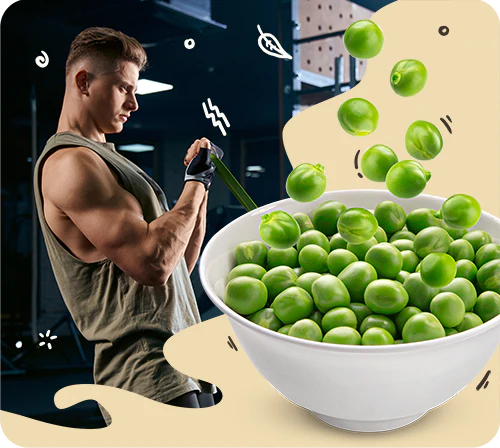
The nutritional profile of green peas
Green peas are a nutritious powerhouse. They provide 5.36 grams of protein, 15.6 grams of carbohydrates (slow-releasing, low GI), and negligible amounts of fat per 100 g serving. This is approximately 84 calories per serving of 100 grams. They are also a good source of vitamins and minerals, including vitamins A, C, K, and several types of B vitamins. Plus, they also contain phosphorus, magnesium, iron, manganese, zinc, and potassium.
Macronutrients
Here’s a breakdown of the macronutrients that cooked green peas have to offer (based on serving size: 100 g)
| Carbohydrates | Proteins | Fats |
|---|---|---|
| 15.6 grams | 5.36 grams | 0.22 grams |
| – 5.5 grams of dietary fibers | – complete protein (all essentian a.a.) | – no saturated fat, or cholesterol |
Micronutrients
Here’s a breakdown of the key micronutrients that cooked green peas have to offer (based on serving size: 100 g)
| Vitamins | Minerals |
|---|---|
| Folate (Vitamin B9): 63 mcg (15.59% of the DV) | Zinc: 1.19 mg (10.64% of the DV) |
| Vitamin C: 14.2 mg (15.63% of the DV) | Magnesium: 39 mg (9.38% of the DV) |
| Vitamin B6: 0.216 mg (12.49% of the DV) | Iron: 1.54 mg (8.76% of the DV) |
| Vitamin K: 25.9 mcg (21.90% of the DV) | Potassium: 271 mg (5.62% of the DV) |
Can green peas alone provide enough protein for muscle building?
That’s not to say that green peas are ineffective, quite the contrary. However, considering the biological value (BV) of protein, and the proportion of protein absorbed from the diet that gets incorporated into the proteins in the body, green peas may not provide a high absorption rate compared to animal sources. For example, a 70 kg athlete, who requires around 140 grams of protein a day, would need to consume a significant amount of green peas daily to meet that need, which can be a tad challenging due to the sheer volume.
Furthermore, while substance is important, so is diversity: eating the same food regularly can lead to nutrient imbalances and potentially impair gut health. Thus, a better strategy may be to consume green peas alongside other plant-based proteins like lentils, chickpeas, and beans. This way, one can obtain an array of amino acids and nutrients, enhancing the nutrient profile of the diet, and ensuring a healthy, steady progress in muscle building.
Combining green peas with whole-grain foods, like brown rice, oats, or whole-wheat bread, is another great approach. It not only ups the protein content but also provides additional essential amino acids, especially those that green peas do not really abound (although all essential amino acids are present in a certain amount). This effective combination helps the body repair and build new muscle tissue, beneficial for those seeking muscular hypertrophy.
Lastly, green pea protein powders can also be a good complementary option. Many brands have developed plant-based protein powders using green peas that are concentrated, providing a substantial amount of protein in a single serving. Mixing them in your shakes, smoothies, or even in your cooking can be an easy way to increase protein intake. But remember, nutrition should be balanced and diverse; relying solely on protein powders instead of whole foods is not recommended, green peas in various forms should be one of the many elements in your protein-packed diet.
Find out which plant-based protein powders truly deliver results — tested by coaches, verified by science, and trusted by active women worldwide.
Read the 2025 Coach’s GuideAre there any alternatives to green peas for high-quality protein in vegan & vegetarian bodybuilding?
All right, not everyone’s a fan of green peas. If they don’t sit well with your palate, there are other great sources of plant-based proteins that you could consider like lentils and various types of beans, chickpeas, quinoa, tempeh, tofu, nutritional yeast, all of which are excellent sources of protein useful for muscle building.
Alternatively, you may consider seitan, an often overlooked protein powerhouse. Made from gluten, it packs in about 25g of protein per 100g serving. Spirulina, a type of blue-green algae, not only offers high-quality protein but an excellent range of vitamins and minerals as well. However, care should be taken with seitan and spirulina as they might not be suitable for everyone, especially those with specific dietary restrictions or allergies. If you’re allergic to gluten, seitan will be off the table, and if you have a thyroid condition, it’s best to steer clear of spirulina.
Amping up your intake of plant-based proteins doesn’t have to be dull. You can experiment with your meals to find a mix that suits your tastes and nutritional needs. For instance, tofu can be dressed up in a stir-fry, tempeh can add crunch to your salad, and green peas can make a mean protein smoothie. The beauty of these protein sources is their versatility. With a little creativity, your diet can be as varied as it is nutritional.
For an extra protein boost, especially on heavy training days, you could consider supplementing with plant-based protein powders. Green pea protein powder is a popular choice, given its high protein content and ease of absorption. But, it’s essential to choose a product that’s free of fillers and artificial additives. A quick scan of the ingredient label should give you this information.
In summary, whether you’re leaning into a more plant-based diet for health, ethical, or environmental reasons, there are plentiful alternatives to animal-based proteins. By incorporating a variety of these options into your diet, you can meet your protein needs and build muscle effectively. Just remember, moderation and variety are key.
Are there any potential side effects of eating green peas for certain people?
For most individuals, peas are well-tolerated and cause no adverse effects.
Take note particularly if you have a sensitive digestive system or suffer from conditions like irritable bowel syndrome or other gastrointestinal disorders. In such cases, it’s advisable to introduce green peas into your diet slowly and in moderation. Any sign of discomfort should be addressed by a medical professional promptly.
Additionally, there is a small percentage of the population who might have an allergic reaction to peas. Such an allergy could induce symptoms like itching, redness, swelling, and in severe cases, anaphylaxis. Therefore, if you think you may be allergic, it’s crucial to seek medical advice before incorporating green peas into your diet.
Lastly, individuals on medication for blood thinning should be cautious as vitamin K present in green peas might interfere with the medication.
What are some common misconceptions about green peas?
One common misconception is that peas are high in fat and calories- which is entirely false! Green peas are low in both fat and calories, making them a great dietary addition for anyone aiming to build muscle without getting too much body fat.
Another misconception that often circulates around green peas is that they aren’t a good source of protein, which is far from the truth. In reality, green peas are an excellent source of plant-based protein and can play an integral role in muscle building, especially for vegetarians and vegans. Some also believe that they taste bland or are simply a side dish filler, but with the right recipes and seasoning, they can be transformed into a flavorful and nutritional main course.
Difference between fresh, frozen, and canned green peas
When it comes to achieving maximum nutrition and taste out of your green peas, you mustn’t overlook the importance of their form – fresh, frozen, or canned. Each of these has its benefits and drawbacks, and the choice ultimately depends on your personal preference and lifestyle.
Fresh Green Peas: Harvested right off the vine, fresh green peas offer the most vibrant flavor and nutrient content. However, the downside is their short shelf-life. You have to consume them quickly, usually within a few days of purchase, to ensure they maintain their quality and nutritional value.
Frozen Green Peas: The advantage of frozen peas is that they retain most of their nutrients while having a significantly longer shelf life than fresh peas. Industry insiders often say that vegetables are frozen at the peak of their freshness, meaning they preserve a lot of the taste and nutritional content of fresh peas. However, the texture could change slightly due to the freezing process.
Canned Green Peas: The main advantage of canned peas is convenience. They’re ready to eat and have a long shelf life, making them a good option for those with a busy lifestyle. However, they often contain added sodium or preservatives to prolong their shelf life and can be slightly lacking in taste and nutritional value compared to fresh or frozen peas.
In a nutshell, fresh peas offer the best flavor and nutrients but must be consumed quickly, while frozen peas offer a great balance between nutrition and convenience. Canned peas provide the most convenience but with sacrificed flavor and nutrient content. The key is to choose based on your personal needs and lifestyle.
How to incorporate green peas into your diet?
Regardless of how you prefer your green peas – fresh, frozen, or canned – there are limitless ways to add them to your daily diet. You could blend them in your smoothies, add them to stews and soups, or make a green peas puree.
Did you know that you can incorporate green peas into your breakfast by adding them to your omelet or scrambled eggs? For lunch, try tossing them in your salad for an extra crunch or mix them with your favorite grain like quinoa or brown rice to maximize its nutritional content. Pasta dishes can also benefit from the addition of green peas, especially in pesto recipes where they add an unexpected pop of color and sweetness. As for dinner, try roasting them with other vegetables or adding them to your curry recipes. If you’re a fan of stir-fried dishes, throw in some peas for an added bonus of protein. If you prefer snacks between meals, consider having pea hummus with vegetable sticks or roasted peas for a healthy and protein-packed alternative to traditional snacks.
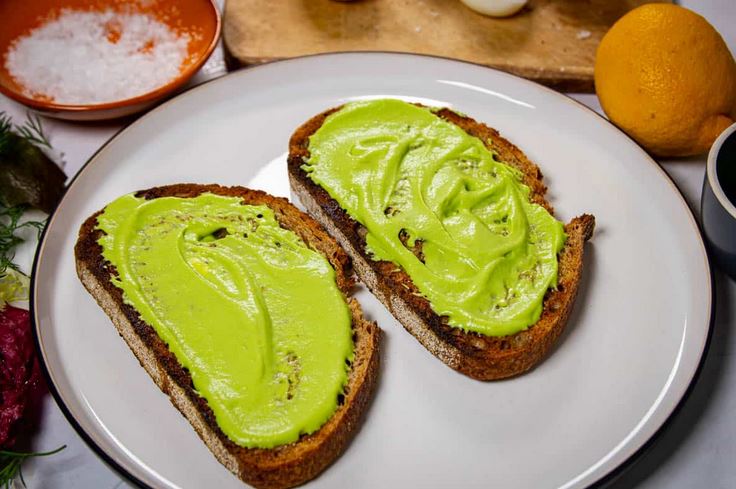
A large number of individuals have a particular fondness for green pea puree, not only for its vibrant green color but also for its delicious and slightly sweet taste. To make it, you simply need to boil or steam peas until they are tender, then blend them with a bit of olive oil, salt, and pepper until smooth. Some people also add garlic or fresh herbs like mint for an additional burst of flavor. This puree can be served as a side dish, a spread for toast, or a base for pasta sauce. Creativity is key when incorporating this nutritious and versatile vegetable into your meals.
How do green peas compare to other plant-based protein sources like seitan, edamame, tempeh, or tofu?
When it comes to plant-based protein sources, green peas hold their own quite impressively. Seitan, often known as wheat meat, is primarily composed of gluten and offers substantial protein. However, it’s not suitable for those with gluten sensitivities or celiac disease. Edamame, young soybeans, are rich in protein and fiber but can interfere with hormone balance in large amounts due to their phytoestrogen content. Tempeh, fermented soybeans, provides probiotics along with protein but has a distinctive texture and flavor that may not appeal to everyone. Tofu, another soy derivative, is versatile and protein-dense but again may result in hormonal imbalance if over-consumed.
Comparatively, green peas are not only rich in protein but are also packed with fiber, vitamins, and minerals. Unlike the soy-based options, peas have no known negative impacts on hormone balance. Additionally, green peas are a ‘complete protein’, meaning they contain all nine essential amino acids your body requires for functioning, which makes them a standout choice for vegetarians, vegans, and even meat eaters looking for a wholesome protein alternative.
Peas protein powders
Pea protein powder is a supplement made by extracting protein from green peas. It’s typically used to increase protein intake for muscle building or athletic performance. It’s hypoallergenic and a great protein source for individuals with dietary restrictions.
Derived from the humble green pea, pea protein powder has rapidly gained popularity amongst fitness and health enthusiasts owing to its impressive nutritional profile. To produce this power-packed supplement, peas are dried and ground into flour, after which their starch and fiber are removed. What’s left is a concentrated source of protein that is then processed into a versatile powder.
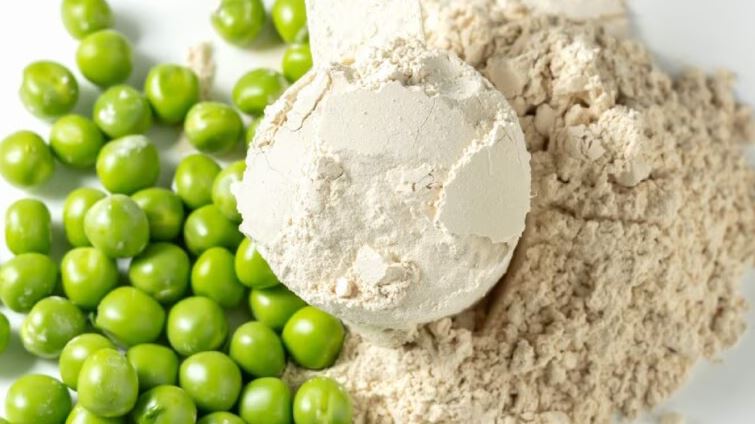
The action doesn’t stop there. Pea protein powder has more to boast about than just being a great source of plant-based protein. It is rich in essential amino acids, particularly branched-chain amino acids which are known for their significant role in muscle growth and repair. The amino acid profile of pea protein is often compared to that of whey, a widely used milk-based protein powder. This makes it a stellar protein source, particularly beneficial for those intolerant to dairy or looking for a vegan-friendly protein supplement.
Moreover, despite being a plant-based protein, pea protein powder is easily digestible. Studies suggest that the body can absorb and utilize the majority of the amino acids in pea protein almost as efficiently as animal-derived proteins. This means, that when consumed, pea protein can contribute significantly towards meeting your daily protein requirements, aiding in muscle development and overall body strength.
Relatively unprocessed and free from common allergens like soy, dairy, and gluten, pea protein powder is a safe choice for most people, making it an excellent addition to a healthy diet, particularly for those striving towards muscle-building goals.
In conclusion, the humble green pea stands as a versatile and nutritious addition to anyone’s diet – be it a bodybuilder, a health-conscious person, a vegetarian, a vegan, or someone simply looking to diversify their protein sources. While it might not be the single solution to muscle-building due to protein quantity needs, it certainly is a worthy ally as part of a balanced, nutrient-rich diet. Its complete protein profile, high nutritional value, and versatility in recipes make it an easy favorite. Not to mention, the existence of green peas protein powders further simplifies its incorporation into our daily routines. However, quality and taste preferences should be kept in mind when selecting these products. As with nearly all foods, moderation and balance are essential to reap the maximum benefits and avoid potential side effects. Now that you’re well-versed in the many facets of green peas, we encourage you to experiment and enjoy them in your diet to build healthier, stronger muscles.
