



Many fitness enthusiasts constantly search for effective and safe methods to enhance their bodies when building muscle. You’ve probably heard about SARMs, or selective androgen receptor modulators, which have been gaining popularity in the bodybuilding community. But what exactly are SARMs, and how do they compare to traditional steroids? This article delves into the world of SARMs, exploring how they work, how they differ from conventional anabolic steroids, their legal status in places like the U.S. and UK, their potential side effects, and the most popular types of SARMs.
What are SARMs?
Definition and purpose
SARMs, short for Selective Androgen Receptor Modulators, are a class of compounds that have garnered attention in the fitness and bodybuilding communities for their muscle-building properties. Unlike traditional anabolic steroids, SARMs are designed to target androgen receptors in muscle and bone tissues selectively. This selective action aims to stimulate muscle growth and improve bone density without many undesirable side effects associated with steroids.
The primary purpose of SARMs is to potentially offer the benefits of anabolic treatments—such as increased muscle mass and improved physical performance—in a more targeted and efficient manner. These compounds were originally developed for therapeutic use and addressed muscle-wasting diseases and age-related muscle loss. However, their muscle-enhancing abilities have become popular among athletes and fitness enthusiasts looking to boost physical performance and appearance.
History and development
The development of SARMs dates back to the early 1990s when researchers sought alternatives to anabolic steroids for treating muscle degeneration. The goal was to create compounds that could mimic the muscle-building effects of steroids while minimizing risks such as liver damage, cardiovascular issues, and hormonal imbalances. Over the years, extensive research and clinical trials have created various SARMs with unique properties and potential therapeutic applications.
Mechanism of action
How do SARMs work? What’s the exact mechanism of action? SARMs operate by selectively binding to androgen receptors in the body. These receptors are located in various tissues, including muscles and bones. When SARMs latch onto these receptors, they stimulate anabolic activity, driving the growth of muscle and bone tissue. Unlike traditional anabolic steroids, SARMs are designed to target only specific tissues. This selective action aims to minimize unwanted side effects with the generalized activation of androgen receptors throughout the body.
This targeted interaction allows SARMs to potentially foster muscle growth and improve bone density without adversely affecting other organs. The specific binding action distinguishes SARMs from steroids, offering a more refined approach to muscle building and tissue growth by prioritizing select tissues while leaving others unaffected.
What’s the Difference Between Steroids and SARMs?
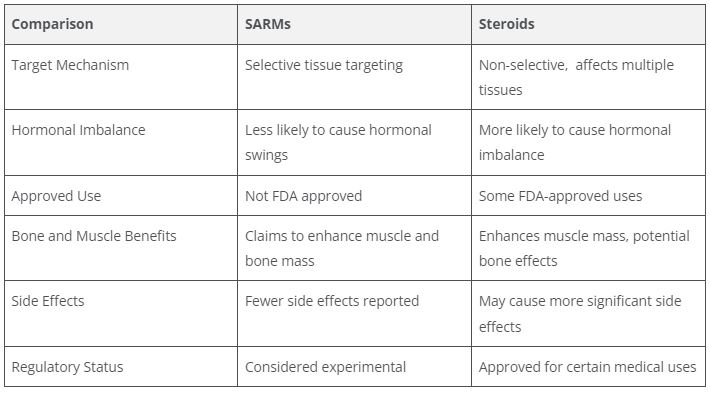
The primary difference between steroids and SARMs lies in their selective action. Steroids are known for their broad-spectrum effects on the entire body. Because of their less discriminating action on androgen receptors, they influence muscle growth and numerous other systems. This can lead to a range of unwanted side effects, including liver damage, acne, mood swings, and, in extreme cases, more severe health problems.
SARMs, on the other hand, are specifically designed to target androgen receptors in muscle and bone tissues. This selective approach aims to reduce the risk of undesirable side effects on different organs and systems, making them a potentially safer alternative for muscle-building purposes.
Despite these differences, both steroids and SARMs share the primary goal of enhancing muscle mass and performance by mimicking the anabolic effects of testosterone. They both enhance protein synthesis and the growth of muscle fibers, although the pathways and specificity differ.

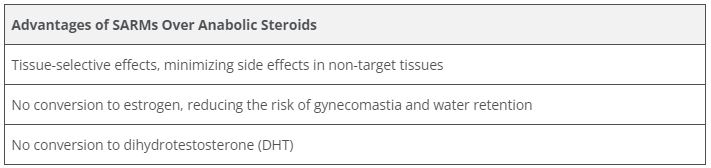
SARMs’ advantages over traditional anabolic steroids include a reduced risk of side effects due in large part to their selective action. This tissue-targeted response can translate to less impact on the liver and other organs, potentially making SARMs a safer choice for those looking to increase muscle mass without the blanket effects of steroids. However, it’s crucial to note that SARMs are still under research, and their long-term effects are not fully understood.
Additionally, SARMs do not convert to estrogen or dihydrotestosterone (DHT) in the body, which further minimizes the risk of estrogen-related side effects such as gynecomastia (enlargement of breast tissue in men) and water retention. This factor alone makes SARMs a more attractive option for those concerned about the estrogenic effects of anabolic steroids.
What are some of the most popular types of SARMs?
Ostarine (MK-2866)
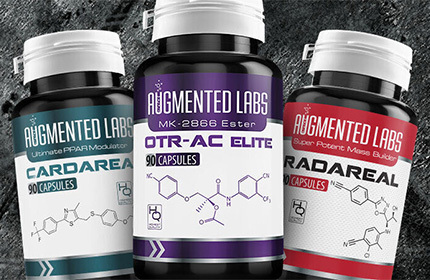
Ostarine, also known as MK-2866, is one of the most researched SARMs. It is primarily used for muscle and strength gains due to its ability to stimulate muscle tissue directly. Known for its anabolic effects, Ostarine can be an appealing choice for those looking to enhance their physique with minimal side effects compared to traditional steroids.
Ligandrol (LGD-4033)
Ligandrol, or LGD-4033, is recognized for its potency in building lean muscle mass. Bodybuilders often prefer it for its effectiveness in bulking phases and relatively short half-life, making it easier to adjust doses as needed. Ligandrol is also known for its potential to preserve muscle during a caloric deficit.
Testolone (RAD-140)
Testolone or RAD-140 is favored for significantly increasing muscle mass and strength. This SARM is particularly noted for its potential to mimic the effects of testosterone without the accompanying side effects often associated with anabolic steroids. Its effectiveness makes it a choice for those looking to boost strength gains quickly.
Andarine (S4)
Andarine, also known as S4, is famous for its cutting benefits. It helps reduce body fat and improve muscle definition without water retention. Andarine is often used in cutting cycles to achieve a leaner appearance while maintaining muscle mass.
YK-11
YK-11 stands out due to its function as a myostatin inhibitor, making it unique among other SARMs. It can induce muscle cells to produce more follicle-stimulating proteins, leading to significant muscle growth. YK-11 is sought after by those aiming to achieve extreme muscle gains.
S-23
S-23 is known for its powerful effects and is often considered one of the most potent SARMs. It’s used not only for muscle building but also for its potential applications in male contraception. S-23 is noted for its ability to deliver substantial muscular strength and endurance results.
Cardarine (GW-501516)
While technically not a SARM, it is often grouped with them due to its popularity in the fitness community. It is known for enhancing endurance and fat loss, making it a common choice for athletes looking to improve cardiovascular performance and reduce body fat.
What Are the Side Effects of SARMs?

When considering the use of SARMs, it’s crucial to weigh the potential side effects, both short-term and long-term. Short-term side effects may include acne, hair loss, mood swings, and changes in libido. These can vary in intensity from person to person and depend on the type of SARMs you use. Long-term side effects pose more significant concerns, as they are not entirely understood due to the lack of extensive studies.
Potential long-term risks highlighted by existing research include liver damage, alterations in cholesterol levels, and increased cardiovascular risks, such as heart attacks and strokes. Although they are often touted as being less harmful to the liver than traditional steroids, some studies have shown that SARMs can still cause liver damage. This is particularly concerning for those using SARMs without medical supervision or in higher-than-recommended doses.
SARMs have been linked to potential psychological effects as well. Some users report experiencing mood swings, increased aggression, and anxiety.
SARMs can also cause specific side effects related to reproductive health. For men, there is a risk of testicular atrophy, which is the shrinking of the testicles due to the suppression of natural testosterone production. This can potentially lead to fertility issues and other reproductive health problems. For women, SARMs can cause virilization, which includes symptoms such as deepening of the voice, increased body hair, and changes in menstrual cycles. These effects can be irreversible, making them a severe consideration for female users.
The FDA has issued warnings regarding these risks, emphasizing that SARMs are not approved for human use. Unknown long-term effects remain a substantial concern, as there is no comprehensive data on the safety of extended SARM usage. Caution is advised, and any adverse reactions should be promptly reported to health authorities.
What is the legal status of SARMs across different countries?
The legal status of SARMs (Selective Androgen Receptor Modulators) varies significantly from country to country. Due to their potential misuse, they’re viewed cautiously and subject to strict regulations in many regions.
In the United States, SARMs are not considered illegal substances, which means possessing them is not against the law, and standard drug tests, such as those used in criminal situations like drunk driving, will not detect them. However, SARMs (Selective Androgen Receptor Modulators) are not legally permitted to be sold for human consumption or marketed as supplements, such as those used for bodybuilding. Essentially, law enforcement targets the sale and distribution, focusing on retailers who market these compounds as supplements for human use. Using SARMs is a personal decision requiring careful consideration of potential legal issues and health-related risks.
In the United Kingdom, SARMs are legal to buy, but like in the US, they can’t be marketed for human consumption without the proper licenses. While buying them as research compounds might be allowed, using them for performance enhancement is not sanctioned under current legal means. The regulations emphasize the need to approach cautiously due to similar safety concerns.
The legality of SARMs in the European Union can vary by member state. While they are not authorized for human consumption, they are not universally banned. Some countries have stricter regulations and may classify SARMs alongside anabolic steroids, prohibiting their sale and use. Researching and understanding the specific laws in your country or region is crucial before considering the purchase or use of SARMs.
Overall, caution is advised when considering SARMs from a legal and a health standpoint, as they remain unregulated in many countries, raising questions about their safety and efficacy.
Taking different SARMs together (SARMs stacks)
It’s possible to combine different SARMs in a “SARMs stack.” Bodybuilders and athletes often use this method to enhance muscle growth, improve performance, or target specific goals by combining the unique benefits of various SARMs. However, it’s crucial to approach this practice with caution.
Stacking SARMs can amplify the potential benefits and increase the complexity of the side effects. Each SARM interacts differently with the body, and combining them can compound the risks. Possible side effects include hormonal imbalances, liver toxicity, mood changes, and more. Furthermore, since SARMs are not thoroughly researched for long-term effects, stacking them introduces additional unknowns.
When considering SARM stacks, combinations like Ostarine and Ligandrol are often famous for bulking cycles due to their potential synergistic effects on muscle growth and strength. An Andarine and Cardarine stack might be preferred for cutting cycles to help lose fat while maintaining lean muscle mass. Remember, the effectiveness and safety of these combinations are not scientifically validated, so proceed with caution.
Considering a SARMs stack, it’s important to conduct careful research and consult a healthcare professional with experience in performance-enhancing substances. Knowing what you’re putting into your body and the associated risks is essential to your health and well-being.
Conclusion: Are SARMs worth the risks?
When evaluating whether SARMs are worth the risks, balancing the potential benefits against the possible dangers is crucial. These compounds often promise significant muscle growth and increased athletic performance. However, the lack of FDA approval means there’s no guarantee of safety or efficacy. Health risks, such as liver damage, hormone imbalances, and an increased risk of heart issues, have surfaced from various reports and studies.
Additionally, since SARMs are sometimes mislabeled or contaminated, what you think you’re taking might not be what’s in the bottle, adding another layer of risk. Given these factors, weighing your priorities and considering whether it’s worth potentially jeopardizing your health for the perceived gains SARMs might offer is essential. Always consult a healthcare professional before deciding to use such substances.
FAQ
Below, you’ll find responses to some of the most common inquiries we receive regarding SARMs.

Can using SARMs lead to testosterone suppression?
When considering the use of SARMs, it's important to recognize that one of the potential side effects is testosterone suppression. Though SARMs are designed to selectively target muscle and bone tissues rather than broadly affecting the body like traditional steroids, they can still interfere with the natural production of testosterone. The degree of suppression can vary depending on the type of SARM used, dosage, and individual response. Some users may experience significant suppression, requiring post-cycle therapy (PCT) to restore normal hormone levels after a cycle of SARMs. Thus, while they offer a selective action, the potential impact on testosterone levels is a risk to be aware of.
What happens to muscle gains after stopping SARMs?
When you stop taking SARMs, you may lose some of the muscle gains you achieved while on them. Because SARMs work by enhancing muscle protein synthesis and retention, ceasing their use might lead to a reduction in these processes. Your body will attempt to return to its natural state, which can result in the loss of artificially augmented muscle mass. The extent of this loss can vary depending on the duration of SARM usage, specific SARM type, diet, and training regimen. It's crucial to continue an intense workout routine and maintain a protein-rich diet to help preserve as much muscle mass as possible after discontinuing SARMs.
Can SARMs cause testicular atrophy or shrinkage?
SARMs have been reported to cause testicular atrophy or shrinkage potentially. This is largely attributed to their ability to suppress natural testosterone production in the body. When your body perceives an influx of synthetic androgens, it may downregulate its own testosterone synthesis, which can reduce testicular size. However, the degree of atrophy can vary from person to person and is often reversible once SARMs are discontinued and natural hormone levels return to normal with proper post-cycle therapy.
Can SARMs be detected in drug tests?
Yes, SARMs can be detected in drug tests. Advances in testing methodologies, particularly using liquid chromatography-electrospray ionization tandem mass spectrometry, have enabled the detection of SARMs in various biological samples, including urine, blood, hair, and nails. This capability is crucial for sporting organizations and anti-doping agencies as they work to maintain fair competition and athlete safety. It's important to note that while SARMs are less detectable than some anabolic steroids, they are not invisible in comprehensive drug screenings.
How do SARMs affect women differently than men?
While both men and women use SARMs for muscle growth and physical enhancement, the effects can vary between the genders. SARMs primarily aim to enhance muscle mass and strength for men, often with fewer side effects than traditional steroids. However, in women, the effects can be more nuanced and sometimes accompanied by gender-specific side effects.
Women may experience benefits such as improved muscle tone and strength, but they often face an increased risk of virilization. This can include symptoms like a deeper voice, increased body hair, and changes in menstrual cycles due to the androgenic effects of SARMs. Women must consider these potential side effects and approach usage with caution, possibly starting with lower doses.
Moreover, because hormonal balances are different in women, the impact of SARMs on physiological functions like bone health and reproductive systems can also vary. Close monitoring and consultation with healthcare professionals are recommended for women considering SARMs, as responses can significantly differ from those of men.
What research supports the effectiveness of SARMs for muscle building?
Research into the effectiveness of SARMs for muscle building is ongoing, with a variety of studies indicating potential benefits. One frequently cited study is the Phase I and II clinical trials of Ostarine (MK-2866), which demonstrated significant improvements in lean body mass and physical function among participants. Ostarine has been shown to have anabolic effects similar to those of testosterone but with reduced androgenic properties, which could mean fewer side effects.
Another SARM, Ligandrol (LGD-4033), has been studied for its impact on muscle mass and strength. A Phase I study found that LGD-4033 led to a dose-dependent increase in lean body mass with favorable safety and tolerability profiles. While these studies provide promising data, they are primarily conducted in small samples and often under controlled clinical settings.
Additionally, Testolone (RAD-140) has shown promise in preclinical studies, primarily involving animal models, where it enhanced muscle performance and increased lean body mass without affecting the prostate, commonly an issue with traditional anabolic steroids.
Despite these findings, it's essential to note that the research supporting the use of SARMs for muscle building outside clinical applications remains limited. Many studies are still in early phases, and the long-term effects and safety profiles are not fully understood. Therefore, while the current research presents a possibility of effectiveness, it also underlines the necessity for caution and further exploration.
How do SARMs interact with other supplements or medications?
When considering SARMs, it's crucial to understand how they may interact with other supplements or medications you're using. While extensive research is lacking, some potential interactions can be identified.
SARMs, known for their role as ligands to androgen receptors, might impact how your body processes other substances. For instance, they may interact with insulin or opioid medications, potentially altering their effectiveness or side effects.
Since SARMs aren't regulated and detailed dosing guidelines are absent, mixing them with untested supplements or medications should be cautiously approached. Always consult a healthcare provider before combining SARMs with other products to ensure safety and efficacy.
What are the signs of adverse reactions to SARMs?
Recognizing the signs of adverse reactions to SARMs can be crucial for your health and well-being. While many users seek the benefits of muscle growth and enhanced performance, it's essential to be aware of potential red flags. Some common adverse reactions include:
- Liver-related issues: Symptoms such as jaundice, dark urine, and fatigue may indicate liver stress or damage.
- Cardiovascular effects: Elevated blood pressure, chest pain, and irregular heartbeat are warning signs of potential heart issues.
- Hormonal disturbances: Notice any unusual changes in testosterone levels, such as mood swings, decreased libido, or hair thinning.
- Digestive problems: Nausea, vomiting, and abdominal discomfort can signal gastrointestinal distress related to SARMs usage.
- General discomfort: Fatigue, headaches, or muscle pain may indicate something isn't right.
If you experience any of these symptoms, stop using SARMs and consult with a healthcare professional immediately. Reporting side effects to relevant health authorities can help provide more information about the risks associated with SARMs.
Is post-cycle therapy necessary after using SARMs?
Post-cycle therapy (PCT) is highly recommended after using SARMs. While SARMs are known for their selective targeting of androgen receptors, they can still influence your body's natural hormone levels. PCT helps to restore hormone balance and mitigate potential side effects after a SARM cycle. It is crucial for maintaining muscle gains and ensuring that your body recovers properly. Without PCT, you risk prolonged testosterone suppression and other hormonal imbalances. Always consult a healthcare professional before beginning any SARMs cycle or PCT plan.
How quickly can you expect to see results from SARMs?
Embarking on a SARMs cycle can make you curious about when you'll start noticing changes. While individual results can vary, many users report experiencing visible results within the first 2 to 3 weeks of beginning a SARM regimen. Typically, you might notice an increase in muscle mass, a reduction in body fat, or enhanced strength and endurance.
However, it’s essential to remember that these outcomes depend on several variables, including the type of SARMs used, your diet, exercise routine, and individual metabolism. Additionally, sustainable gains require a balanced approach involving proper nutrition and consistent training.
For anyone considering SARMs, patience and realistic expectations are key. It’s also wise to prioritize health and safety over accelerated results.
