


Bulking is a fundamental phase that helps you gain muscle effectively. You might wonder what bulking is, how many calories I need to gain muscles, and how I can do it without gaining unwanted fat. In this article, we’ll break down everything you need to know about bulking in bodybuilding, including calculating your calorie surplus, tips on clean bulking, and advice for those naturally skinny individuals who find it hard to gain weight.
Bulking involves strategically increasing your calorie intake to build muscle while minimizing fat gain. It’s about finding that delicate balance between eating enough to grow and staying lean. It’s not just about eating more; it’s about eating smartly and effectively.
We provide a bulking calorie calculator to help you build muscle. This vital tool lets you determine precisely how many extra calories you need for your specific body and goals. By entering your details, you can easily create a meal plan that helps you grow muscles while keeping extra fat low. This helpful resource is key for bodybuilders who want to maximize their bulking phase and reach their goals effectively and quickly.


What is the definition of bulking in bodybuilding?
Bulking is a strategic phase in bodybuilding where the primary goal is increasing muscle mass. This intentional phase involves a caloric surplus—consuming more calories than your body needs to maintain weight, fostering an environment conducive to muscle growth.
The main characteristics of a bulking phase include:
- Increased Caloric Consumption: Eating more calories than your body burns to facilitate muscle growth.
- Strength Training Focus: Engaging in hypertrophy and strength-building workouts to promote muscle gains.
- Nutrition Strategy: Emphasizing high protein intake to support muscle repair and growth while monitoring macronutrients to minimize fat gain.
- Monitoring Progress: Keeping track of weight gain, strength improvements, and body composition changes.
Bodybuilders often cycle through bulking and cutting phases to maximize muscle gains and minimize fat accumulation. The bulking phase is generally followed by a cutting phase, where the objective is to shed body fat while preserving muscle mass, usually in preparation for competitions or personal aesthetic goals.
Why exactly do I need extra calories to build muscles?
Consuming more calories than your body uses in a day is imperative to effectively build muscle during a bulking phase. This provides your body with the raw materials necessary to fuel growth. If you consume only the amount of calories your body burns through metabolic activities and daily exercises, you inadvertently create a neutral energy balance. This means you’re simply maintaining your current weight or possibly losing mass if your calorie burn edges out your intake.
CALORIES IN > CALORIES OUT = CALORIE SURPLUS OR BULKING
A caloric surplus is key to bulking. This surplus means eating over and above your body’s calorie requirements, thus ensuring ample energy to support muscle protein synthesis and foster muscle growth. Without these additional calories, your body’s ability to efficiently synthesize new muscle fibers diminishes. This can cause your bulking efforts to stall and ultimately result in less muscle gain than anticipated.
Essentially, to transform your physique and achieve the robust muscle mass you’re aiming for, prioritizing a caloric surplus is non-negotiable. Consistently providing your body with slightly more calories than it expends will encourage it to adapt by growing stronger and more prominent, taking you several steps closer to reaching your bodybuilding aspirations.
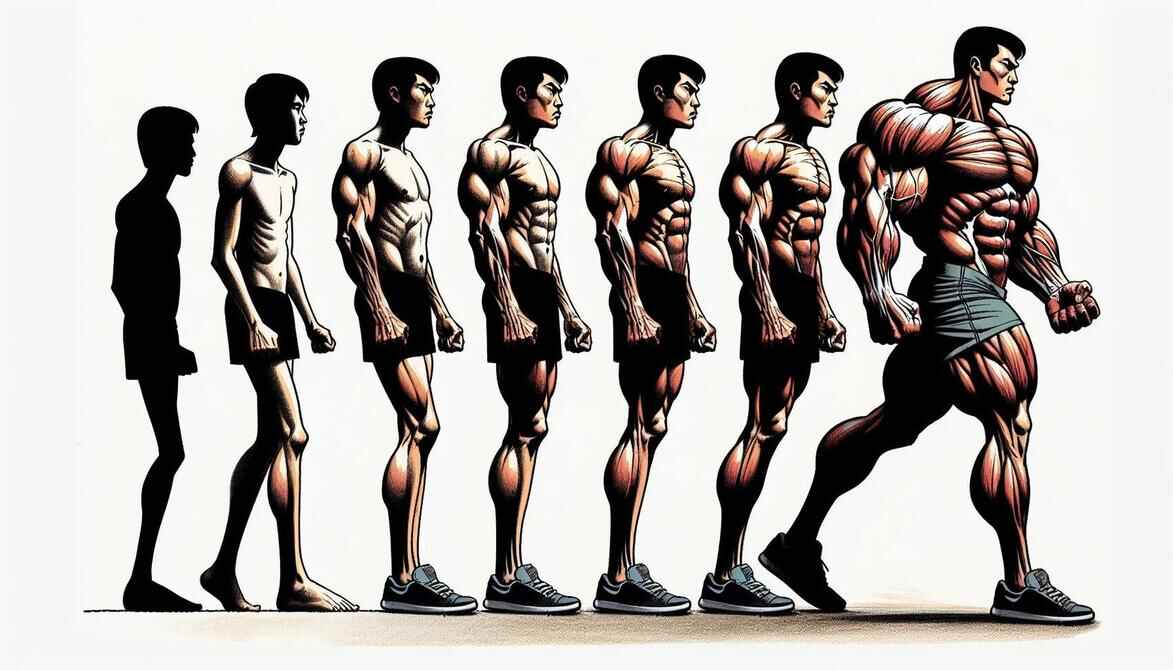
How do you calculate the calorie surplus for bulking?
The first step is determining your Basal Metabolic Rate (BMR) to calculate the calorie surplus needed for bulking effectively. This is the number of calories your body needs to maintain essential physiological functions at rest. You can use BMR calculators available online or estimate using formulas like the Harris-Benedict Equation.
Once you’ve determined your BMR, the next step is to calculate your Total Daily Energy Expenditure (TDEE). TDEE accounts for your daily activities, exercise, and other energy expenditure factors. Multiply your BMR by an activity factor that best represents your lifestyle, ranging from sedentary to very active. You can use the TDEE calculator available online to speed up the process.
With your TDEE in hand, identify your desired weight gain goal. A practical approach aims for a gain of around 0.5 to 1 pound per week. Since gaining 1 pound typically requires a surplus of about 3500 calories, calculate the daily surplus needed by distributing this number across the week. For example, a 0.5-pound weekly gain translates to a daily calorie increase of approximately 250 calories (1750 calories over 7 days).
Finally, add this daily surplus to your TDEE to get your Total Caloric Intake for bulking. This total represents the calories you’ll need to consume daily to support your bulking goal, ensuring you’re gaining weight at a steady and healthy pace.
Bulking calculator – how and why to use
Using a bulking calculator is straightforward and significantly aids in your muscle-building journey. By entering your details, such as gender, age, height, weight, and daily activity level, you’ll begin to tailor your caloric intake to suit your unique needs. You also input your desired weight gain—essentially your target weight after bulking—and the timeframe in which you aim to achieve this goal. The calculator then computes your daily caloric surplus needed to hit that target.
There are several benefits to using a bulking calculator:
- Precision: It customizes caloric intake based on your data, ensuring you don’t consume too much or too little.
- Efficiency: Saves your time by providing instant results that align with your bulking objectives.
- Goal Tracking: Helps keep track of your progress, making adjustments easier as needed.
This tool streamlines your bulking strategy and enhances your ability to gain weight effectively while minimizing excess fat accumulation. With these insights, you can take the guesswork out of bulking and focus on achieving your body transformation goals.
What is clean bulking or lean bulk?
Clean bulking, often called lean bulking, involves gaining muscle mass while minimizing fat gain. Unlike traditional bulk, where indiscriminate eating can sometimes lead to unwanted fat accumulation, clean bulking emphasizes quality nutrition and a controlled calorie surplus.
This approach prioritizes nutrient-dense whole foods, precise macronutrient ratios, and disciplined eating habits to ensure that the weight gained aligns closely with your muscle-building goals. By focusing on lean protein, healthy fats, and complex carbohydrates, you can support muscle growth effectively while keeping fat gain in check. This careful strategy helps you maintain a leaner physique even as you increase your weight.
How can you gain weight with minimal fat gain?
- Eat a Protein-Rich Diet: Ensure your meals include high-quality protein sources like lean meats, fish, legumes, and dairy to support muscle growth. Protein intake of 1.6 to 2.2 grams per kilogram of body weight per day is recommended for muscle growth.
- Strength Training: Focus on resistance exercises to promote muscle hypertrophy and develop strength, which helps in lean mass gain.
- Monitor Caloric Surplus: Aim for a slight caloric surplus, around 250-500 calories above your maintenance level, to encourage muscle growth while minimizing fat gain.
- Prioritize Nutrient-Dense Foods: Choose whole foods rich in nutrients, such as fruits, vegetables, whole grains, and lean proteins, to ensure balanced nutrition.
- Space Meals Effectively: Consume smaller, frequent meals throughout the day to maintain a steady supply of nutrients for muscle repair and growth.
- Limit Processed Foods: Reduce intake of processed and high-sugar foods, which can contribute to unnecessary fat accumulation.
- Stay Hydrated: Drinking enough water supports metabolic functions and aids in nutrient transport to the muscles.
- Get Sufficient Rest and Sleep: Prioritize sleep and recovery as they are crucial for muscle repair and growth hormone production.
- Track Progress: Regularly monitor your body composition to ensure you gain muscle instead of excessive fat; adjust your diet and training as needed.
- Use Healthy Fats Judiciously: Incorporate sources like avocados, nuts, and olive oil to support energy needs without excessive fat gain.
- Avoid Overshooting Calorie Needs: More isn’t always better; excess calories convert to fat rather than additional muscle.
- Consider Professional Guidance: Engage a nutritionist or personal trainer if unsure about optimizing your diet and workout plan effectively.
What strategies help naturally skinny people (hardgainers) gain weight?
For those naturally skinny or consider themselves hardgainers, packing on pounds might feel like an uphill battle. It’s crucial to focus on eating calorie-dense, nutrient-rich foods. Incorporate options like grass-fed beef, low-fat dairy, fatty fish, eggs, rice, starchy vegetables, grains, nuts, nut butter, seeds, beans, and legumes. Healthy oils and protein powder supplements can also offer a convenient calorie boost.
If you’re struggling to eat larger meals, try spreading your intake throughout the day by adding a side of milk or an extra snack. Liquid calories, such as milk, weight gain shakes, and fruit juices, allow for an easy increase in intake without feeling overly full. Breaking the habit of under-eating is vital. By mindfully increasing portion sizes and making every bite count, you can gradually move towards achieving your weight gain goals.
How fast can you gain muscles?
When it comes to muscle growth, patience and consistency are key. While beginners might experience rapid gains of 2-3 pounds per month, as you advance, the rate of muscle gain naturally slows. Intermediate lifters may see 1-2 pounds per month, and advanced athletes could gain less than a pound monthly. It is essential to tailor your approach based on your experience level to set realistic expectations.
Recommendations for Optimal Muscle Gain:
- Set Realistic Goals: Understand your stage in the journey and set appropriate targets for muscle gain.
- Consistent Training: Stick to a structured workout regimen focusing on progressive overload, which helps stimulate muscle growth over time.
- Balanced Nutrition: Ensure you consume a calorie surplus, focusing on high-protein foods to support muscle repair and building.
- Rest and Recovery: Prioritize adequate sleep and rest days to allow your muscles the necessary time to repair and grow.
- Listen to Your Body: Adjust your training intensity and diet to continue progressing without risking overtraining or injury.
By following these guidelines, you can optimize your muscle growth while minimizing fat gain, paving the way for healthier, sustainable gains over time.
Related calculators
- Precise macronutrient calculator
- Weight loss calculator
- Maintenance calorie calculator
- Calorie intake calculator
Conclusion about the bulking calculator
In summary, embarking on a bulking journey requires a strategic approach, mainly if you aim to build muscle efficiently and minimize undesired fat gain. Utilizing a bulking calculator can be a game-changer in this process. It empowers you to tailor your calorie intake precisely according to your body’s needs, ensuring you remain on track toward your goals. This valuable tool eliminates guesswork, enabling a clear understanding of how many extra calories are necessary to promote muscle growth. For anyone serious about bodybuilding, incorporating a bulking calculator into your regimen can vastly improve your outcomes, leading to a more effective and well-rounded building phase.
