


Macronutrients—or “macros”—play a crucial role when optimizing your diet for better health and enhanced fitness. Understanding the balance of proteins, fats, and carbohydrates in your daily intake can transform your energy levels, body composition, and overall well-being. But how do you determine the right macronutrient balance for your personal goals?
Macronutrients are the building blocks of your diet, providing the energy and tools your body needs to function at its best.
Whether you’re aiming to lose weight, build muscle, or maintain your current physique, a macro calculator is essential to help you achieve your goals. In this guide, we’ll break down the steps to calculate your Total Daily Energy Expenditure (TDEE), determine your ideal calorie intake, and find the perfect macro breakdown.

What Are Macronutrients (Macros)?
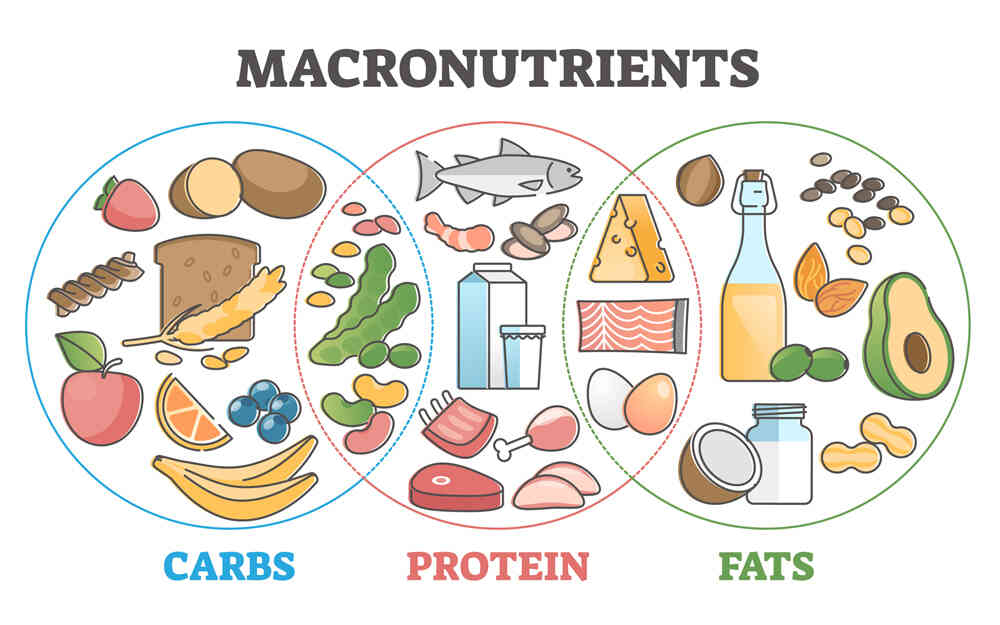
Macros, or macronutrients, are the essential building blocks of your diet. The nutrients provide energy and are essential for growth, metabolism, and other bodily functions. They are classified into three main categories:
- Proteins: Essential for muscle repair and growth, proteins are made up of amino acids, which are the building blocks of muscles. They play a vital role in recovery after workouts and help maintain lean muscle mass.
- Carbohydrates: Often referred to as the body’s primary energy source, carbohydrates are crucial for fueling workouts and everyday activities. They can be further divided into simple and complex carbs, each serving different functions in energy supply.
- Fats: While often misunderstood, dietary fats are essential for hormone production, nutrient absorption, and overall health. Fats provide a concentrated energy source and are vital for maintaining cellular structure.
The Importance of Macronutrient Calculation in Fitness and Bodybuilding
Calculating macronutrient intake is essential for several reasons:
- Optimized Performance: Proper macronutrient ratios can enhance athletic performance and recovery. For example, athletes may require higher protein intake for muscle growth and repair.
- Body Composition Goals: Whether to lose fat, gain muscle, or maintain weight, calculating macros can help individuals tailor their nutrition to achieve specific body composition goals.
- Balanced Nutrition: Monitoring macronutrient intake ensures a balanced diet, helping to prevent deficiencies or excesses that could lead to health issues.
- Personalization: Each person’s metabolic rate and physical activity level are unique. A macronutrient calculator allows personalized nutrition plans to align with individual goals and lifestyles.
How to Calculate Macronutrients Step by Step
Now that we understand the importance of macronutrient balance let’s dive into the practical steps of calculating your macros efficiently.
- Calculate Your Total Daily Energy Expenditure (TDEE): Your TDEE is the total number of calories you burn daily, encompassing your basal metabolic rate (BMR) and your activity level. Use an online calculator to determine your TDEE, considering factors like age, gender, weight, height, and physical activity level.
- Determine Your Calorie Intake: Adjust your calorie intake accordingly based on your fitness goals – whether you aim to lose, maintain, or gain weight. For example, you might aim for a calorie deficit to lose weight, consuming fewer calories than your TDEE. Conversely, for weight gain, increase your calorie intake above your TDEE. You should add approximately 250 to 500 calories to your TDEE to support moderate weight gain. For moderate weight loss, subtract around 250 to 500 calories from your TDEE. These adjustments can help you achieve your desired fitness goals healthily and sustainably.
- Calculate Your Macro Breakdown: Once you’ve established your calorie intake, decide the proportion of calories that will come from carbohydrates, proteins, and fats. This distribution will vary based on your specific goals:
- Carbohydrates: Typically comprise 40-50% of your total calories. To find out how many grams this equates to, multiply your total daily calories by 0.40 or 0.50, then divide by 4 (since each gram of carbohydrate equals 4 calories).
- Proteins: Often recommended to comprise 25-30% of your daily calories. Similarly, multiply your daily calories by 0.25 or 0.30 and divide by 4 to convert to grams.
- Fats: Usually account for 20-35% of your daily calories. Convert your fat percentage into grams by multiplying your total calories by 0.20 or 0.35, then divide by 9 (with each gram of fat equal to 9 calories).
Tracking your macros becomes a breeze when you focus on the grams of each nutrient you need daily rather than just a percentage of your calorie intake. Ultimately, you’ll have a clear picture of the grams of fats, carbohydrates, and protein essential for reaching your personal fitness goals.
Commonly Used Macro Splits (Ratios)
Table 1 provides a detailed comparison of various macronutrient ratios tailored toward specific fitness objectives. It highlights different macro splits for goals like weight maintenance, muscle building, and weight loss, illustrating how protein, carbohydrate, and fat percentages can be adjusted according to each target. It’s a helpful guide for understanding the nutritional balancing act involved in different fitness strategies.
| Goal | Protein (%) | Carbohydrates (%) | Fats (%) |
|---|---|---|---|
| Weight Maintenance (Baseline) | 20 | 50 | 30 |
| Weight Loss | 25-35 | 40-45 | 20-25 |
| Muscle Gain | 30-35 | 40-45 | 20-25 |
| Endurance Training | 15-20 | 55-60 | 20-25 |
| Special Diets: Ketogenic Diet | 20 | 10 | 70 |
I. Macros for Weight Maintenance
Finding the right macronutrient balance for maintaining your current weight is all about keeping things steady while ensuring your body gets the nutrition it needs. When focusing on weight maintenance, your macro goals should perfectly match your energy expenditure, resulting in no significant change in weight.
Typically, a standard macro ratio for weight maintenance might be around 30% of your calories from fats, 20% from proteins, and 50% from carbohydrates. This balance ensures sufficient energy for your daily activities while providing enough protein for muscle repair and healthy fats for overall well-being.
II. Macros for Building Muscle
To effectively build muscle, protein is the priority macronutrient. You’ll want to prioritize protein so you will have to decrease carbs to 40–45%, increase protein to 30–35% and shift fat to around 20–25% (when compared to a baseline).
It’s crucial because proteins are the fundamental building blocks for new muscle tissue. When you engage in strength training or resistance workouts, your muscles experience microscopic damage. Protein aids in the repair and growth of these muscle fibers, making them stronger and larger over time. While carbohydrates and fats are also essential, particularly for energy and overall health, ensuring an adequate protein intake will support muscle synthesis and recovery, leading to enhanced muscle growth.
III. Macros for Weight Loss
If you’re aiming for weight loss but the scale isn’t budging after a few weeks, it might be time to adjust your macro ratios. Consider lowering your carbohydrate intake to 40–45%, upping your protein to 25–35%, and maintaining your fat at approximately 20–25% compared to the baseline in the table’s first row.
Regarding weight loss, protein takes the spotlight as the most crucial macronutrient. Increasing your protein intake helps preserve muscle mass while shedding pounds, which is vital for maintaining a healthy metabolism. Protein also increases satiety, meaning you feel fuller longer, which can help prevent overeating. So, while adjusting your macros, prioritizing protein can set the stage for effective and sustainable weight loss.
IV. Macros for Increased Endurance
Regarding increased endurance, carbohydrates play a pivotal role for athletes. Why are they so crucial? Because carbohydrates serve as the body’s primary energy source, especially during prolonged or intense activities. They are stored as glycogen in muscles and the liver, ready to be converted into energy when needed. Without adequate carbohydrate intake, endurance athletes may lose their performance as their glycogen stores become depleted.
Typically, endurance athletes should focus on a diet higher in carbohydrates (55-65%), as they serve as the primary energy source.
Using Macro Calculator
- Gather Your Details: Before using a macro calculator, ensure your basic information is ready. This includes your age, weight, height, sex, and activity level. These will be essential inputs for accurate calculations.
- Calculate Your TDEE: Total Daily Energy Expenditure (TDEE) is crucial for determining your caloric needs. Enter the gathered details into the macro calculator, which uses these to estimate how many calories your body burns per day, considering your physical activity.
- Determine Your Caloric Intake: Based on your TDEE, decide if you want to maintain, lose, or gain weight (a calculator will give you a few more options). Adjust your calorie intake by increasing or decreasing your TDEE. Most calculators automatically provide options to adjust these based on your fitness goals.
- Set Your Macro Breakdown: Once you know your daily calorie requirements, choose a macro ratio to suit your goals. Common splits are already listed, but it’s essential to customize them according to your specific needs. The calculator will translate this ratio into grams of protein, fats, and carbohydrates.
- Input and Review: Enter your preferred macro ratio into the calculator, and let it do the math. The output will give you a detailed breakdown of grams per macro you should aim to consume daily.
- Track and Adjust: As you implement your macro plan, keep track of your intake, compare it with your goals, and adjust as needed. Consistent monitoring ensures you’re on track and allows timely adjustments based on your body’s response.
Practical tips for counting macros in grams
- Invest in a digital food scale to precisely measure your food in grams.
- Familiarize yourself with nutritional labels—focus on grams of protein, carbs, and fats.
- Download a reliable macro tracking app to log your daily intake efficiently.
- Use measuring cups and spoons for quick estimates when precision isn’t vital.
- Meal prep to minimize daily measuring efforts; weigh and portion meals beforehand.
- Explore online databases or apps that calculate nutrient content for whole foods you consume.
- Consistency is key—practice regularly, and it will soon become a natural habit.
Flexible dieting, which involves tracking macronutrients
Flexibility in a diet plan can often be the key to long-term success. When you track macronutrients, you’re free to choose from various foods while still meeting your nutrition goals. This flexible approach can make sticking to a diet easier than rigid strategies that may limit food choices and lead to a feeling of deprivation.
Rather than following a one-size-fits-all meal plan, flexible dieting (“If It Fits Your Macros”) allows customization based on personal preferences and lifestyle, which can significantly enhance compliance. For instance, if you’re craving a piece of chocolate cake or pizza, you can indulge while staying within your macro limits. This balance can prevent binge-eating episodes, which are often triggered by overly strict diets.
Research has shown that individuals are more likely to adhere to a diet when they enjoy and are satisfied with their foods. Flexible dieting encourages exploring a range of nutrients, ensuring that your body receives the essential vitamins and minerals without the monotony of repetition.
Ultimately, tracking macros with flexibility supports a sustainable lifestyle change rather than a temporary diet fix. Incorporating tools such as nutrition tracking apps also plays a pivotal role in facilitating this approach, enabling you to maintain your diet effortlessly while enjoying various foods.
Closely related calculators
- Fat intake calculator
- Protein intake calculator
- Carbohydrate intake calculator
- Calories burned calculator
- Bulking calculator
Conclusion
Understanding and calculating your macronutrients can be a game-changer for achieving your fitness and health goals. You can optimize your results by determining your Total Daily Energy Expenditure (TDEE) and tailoring your calorie intake and macro breakdown to your specific objectives—whether it be weight maintenance, muscle building, weight loss, or increased endurance. With a solid grasp of macros and how to count them in grams, rather than simply relying on calorie counting, you can take a precision approach to nutrition. Incorporate these strategies into your routine and enjoy the benefits of a well-balanced diet that supports your lifestyle and ambitions.
