



When you’re pushing through a tough set of squats or cruising through a five-mile run, have you ever paused to think about what drives your muscles? The human body is a marvel of engineering, powered by complex energy systems that enable every movement. Understanding these energy systems is crucial, especially if you spend time in the gym or on the track. Whether you’re lifting heavy weights or striving for long-distance endurance, the aerobic and anaerobic energy systems each play distinct roles in fueling your performance.
Knowing which energy system you’re tapping into during your workouts can enhance your training regimen, improve your efficiency, and help you reach your fitness goals.
- Aerobic System: Ideal for prolonged activities, it uses oxygen to generate energy.
- Anaerobic System: Powering short, intense bursts of activity, it operates without oxygen.
For individuals focused on resistance training, like weightlifting or high-intensity interval training (HIIT), it’s crucial to understand how the anaerobic system fuels quick, powerful movements and how the aerobic system aids recovery between sets.
Similarly, those dedicated to cardiovascular training, such as running, cycling, or swimming, benefit from comprehending how the aerobic system dominates long-distance efforts and how the anaerobic system contributes during spurts of increased intensity.
By grasping the fundamentals of these energy systems, athletes and fitness enthusiasts can tailor their workouts to optimize performance, manage fatigue, and achieve their specific training goals. This article will delve deeper into each system, exploring their roles, interactions, and applications in various forms of exercise.
Aerobic Energy System
The aerobic energy system is a fundamental component of human physiology, especially in activities that require sustained energy output over a more extended period. This system is crucial to endurance sports and exercises, providing the necessary fuel for prolonged physical activity.
A. Definition and Function
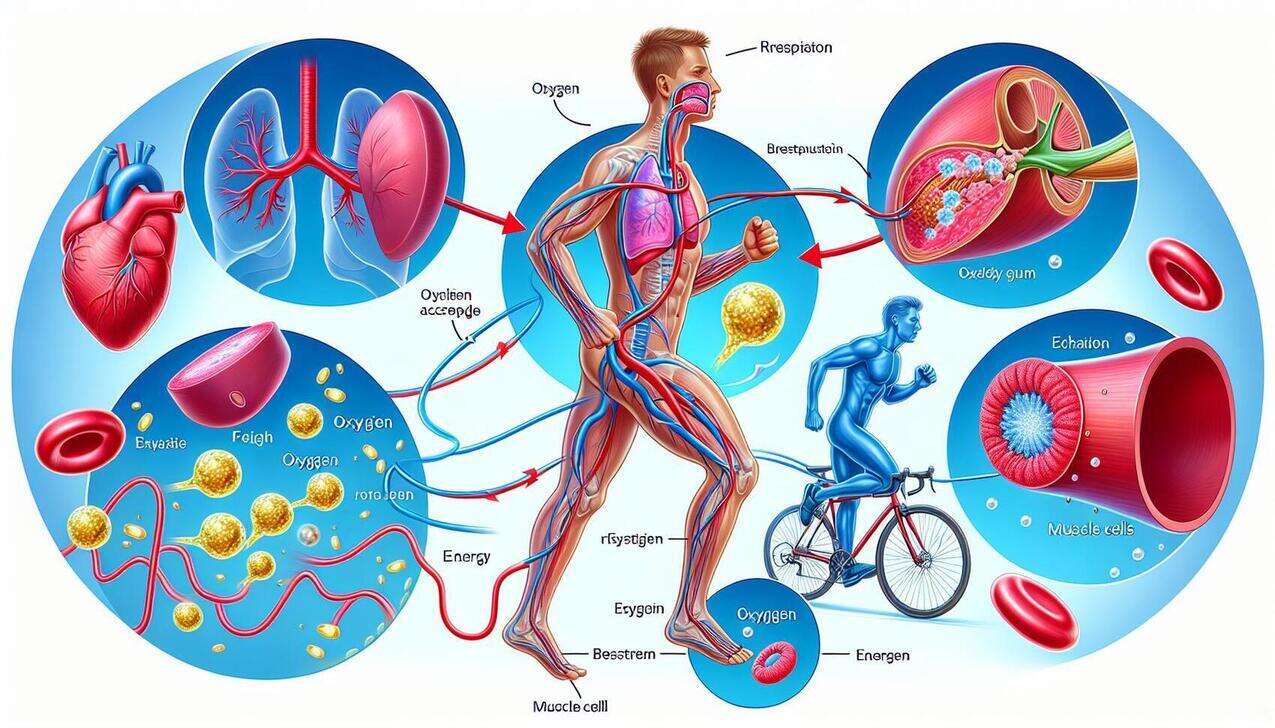
The aerobic energy system, also known as oxidative phosphorylation, is the process by which the body generates energy through the combustion of carbohydrates, fats, and, to a lesser extent, proteins in the presence of oxygen. This system is activated during low—to moderate-intensity activities where the demand for energy is spread over an extended period (a marathon, for example). The primary role of the aerobic system is to produce adenosine triphosphate (ATP), the cell’s energy currency, in a steady and efficient manner.
Unlike anaerobic processes, which occur without oxygen, the aerobic system relies on oxygen to oxidize substrates and produce ATP. This makes it slower to activate than anaerobic pathways but can sustain energy production for much longer durations. The aerobic system is particularly efficient at utilizing fat stores, making it an essential energy source for long-distance running, cycling, and swimming activities.
B. Role in Endurance Activities
In endurance activities, the aerobic energy system is the predominant source of ATP. As exercise duration increases beyond a few minutes, the body gradually shifts from using anaerobic pathways to relying more on aerobic metabolism. This transition allows athletes to maintain a steady pace over long distances without succumbing to the rapid fatigue associated with anaerobic energy systems.
For example, marathon runners predominantly use the aerobic system to sustain their efforts throughout 26.2 miles. Similarly, cyclists in a multi-hour race rely on aerobic metabolism to fuel their muscles throughout the event. By optimizing their aerobic capacity, athletes can improve their endurance performance, delay the onset of fatigue, and enhance their ability to recover during prolonged exertion.
C. How it Supports Recovery
The aerobic energy system also plays a crucial role in recovery during and after exercise. During low-intensity activity or rest periods, the aerobic system helps replenish ATP stores and clears metabolic byproducts, such as lactate, from the bloodstream. This process is known as active recovery and is essential for athletes who need to perform repeated bouts of exercise with minimal downtime.
Moreover, improving aerobic fitness can enhance the body’s ability to recover between high-intensity efforts. For resistance trainers, this means shorter rest periods between sets and a quicker return to baseline energy levels after intense workouts. For cardio enthusiasts, a well-developed aerobic system can facilitate faster recovery after intervals or sprints, allowing for greater overall volume and intensity in training sessions.
Understanding the aerobic energy system and its role in endurance activities and recovery can help individuals tailor their training programs to maximize performance and minimize fatigue. Harnessing the power of the aerobic system, whether through long, steady-state cardio sessions or active recovery periods, is essential for anyone looking to optimize their fitness regime.
Anaerobic Energy System
The anaerobic energy system is crucial in powering short-duration, high-intensity activities. It operates without needing oxygen, allowing for rapid energy production, but it also has limitations.
A. Definition and Purpose
The anaerobic energy system provides energy quickly and efficiently when the body’s demand exceeds the oxygen available for the aerobic system. It relies primarily on stored sources of energy such as adenosine triphosphate (ATP) and phosphocreatine (PCr) and the breakdown of glucose through a process called glycolysis. This system is essential during activities that require sudden bursts of energy, such as sprinting, weightlifting, or high-intensity interval training (HIIT).
B. Role in Short-Duration, High-Intensity Activities
The anaerobic system is the primary energy supplier in activities that last from a few seconds up to approximately two minutes. For instance, during a 100-meter sprint or a heavy deadlift, the muscles demand energy faster than the aerobic system can deliver it. The anaerobic system meets this demand by immediately breaking down stored ATP and PCr. As these stores deplete, glycolysis takes over, breaking down glucose to continue fueling the activity. This rapid energy production allows athletes to perform at high intensities for short periods, making it indispensable for resistance training and sprint-based cardio workouts.

C. Limitations and Fatigue Factors
While the anaerobic system is adequate for quick energy bursts, it has drawbacks. One major limitation is the finite supply of ATP and PCr, which can only sustain maximum effort for a short duration. As these stores diminish, the body shifts to glycolysis, which produces energy more slowly and less efficiently. Additionally, glycolysis leads to the accumulation of lactic acid, a byproduct that can contribute to muscle fatigue and decrease performance. The buildup of lactic acid and hydrogen ions can cause a burning sensation and decrease muscle function until the body clears these byproducts.
Understanding the limitations of the anaerobic system is crucial for athletes and fitness enthusiasts. By recognizing when this system is at play, individuals can tailor their training routines to maximize performance and manage fatigue effectively, ensuring that they reach their fitness goals while minimizing the risk of injury or burnout.
Interaction Between Energy Systems
Understanding how the aerobic and anaerobic energy systems interact is crucial for optimizing resistance and cardio training. While these systems are distinct in their processes and functions, they do not operate in isolation. Instead, they often work in tandem, depending on the intensity and duration of the activity.
A. Transition from Anaerobic to Aerobic
During physical activity, the body initially relies on the anaerobic energy system, especially when the activity is high-intensity and short in duration, such as sprinting or heavy lifting. This system provides immediate energy without needing oxygen, using stored ATP (adenosine triphosphate) and phosphocreatine. However, this limited energy supply can only sustain activity for about 10 to 30 seconds.
As the activity continues and the demand for sustained energy increases, the body gradually shifts to the aerobic energy system. This transition is essential for maintaining performance in activities extending beyond anaerobic energy’s short burst. The aerobic system, which relies on oxygen and the breakdown of carbohydrates and fats, provides a more sustainable energy source, allowing for prolonged activity and efficient recovery.
B. Examples in Resistance Training
The interaction between the anaerobic and aerobic systems is evident in resistance training, such as weightlifting. A typical set of heavy lifts may last between 6 to 12 repetitions, heavily relying on the anaerobic system for quick bursts of energy. However, during rest periods between sets, the aerobic system is critical in restoring ATP levels and clearing metabolic byproducts like lactic acid, facilitating faster recovery and subsequent sets.
The aerobic system becomes even more significant in resistance training routines that include circuit training or supersets. These routines often involve minimal rest, requiring the body to manage energy resources through anaerobic bursts and aerobic recovery efficiently.
C. Examples in Cardio Training
Cardio training illustrates the dynamic interaction between these systems, particularly in activities like interval training or high-intensity interval training (HIIT). During short, intense bursts of exercise, the anaerobic system predominates, supplying rapid energy. As the intensity decreases or during active recovery phases, the aerobic system takes over, helping to replenish energy stores and remove metabolic waste.
The aerobic system is the primary energy source in continuous cardiovascular activities like long-distance running or cycling. Nevertheless, the anaerobic system can still be engaged during intense sprints, or hill climbs within these endurance activities, demonstrating the seamless transition and cooperation between the two systems.
Understanding the interaction between anaerobic and aerobic energy systems allows athletes and fitness enthusiasts to tailor their training programs to enhance performance, maximize energy utilization, and improve recovery. Individuals can achieve a balanced and effective workout regimen by strategically incorporating exercises that engage both systems.
How can athletes optimize training by understanding their energy systems?
- Periodized Training Programs: Athletes can improve endurance and strength by alternating between aerobic and anaerobic exercises throughout a training cycle. For instance, a runner might focus on long runs to build aerobic capacity early in the season, followed by interval sprints to boost anaerobic power closer to competition.
- High-Intensity Interval Training (HIIT): Incorporating HIIT workouts can effectively engage the anaerobic energy system. Activities such as circuit training with short rest periods can enhance the body’s ability to perform high-intensity workouts, improving overall athletic performance.
- Recovery and Active Rest Days: Utilizing knowledge of aerobic systems for recovery, athletes can incorporate low-intensity activities like yoga or light cycling on rest days to support active recovery and prepare the body for more strenuous sessions.
- Strength Training with Super Sets: Implementing exercises that target different muscle groups consecutively can use the anaerobic system efficiently and promote muscle growth. For example, pairing a set of squats with push-ups can maximize anaerobic exertion during resistance workouts.
- Tempo Runs and Long-Distance Training: Engaging the aerobic system with steady-state runs at a moderate pace improves cardiovascular endurance, making sustaining prolonged efforts during marathons or triathlons easier.
- Specific Energy System Workouts: Tailoring workouts to target specific energy systems helps athletes develop efficiency. For swimmers, alternating between sprints and steady laps can optimize both energy systems, enhancing race versatility.
Table summary
| Category | Aerobic Energy System | Anaerobic Energy System |
|---|---|---|
| Source of Fuel | Primarily uses oxygen, fats, and carbohydrates to generate energy. | Uses stored glycogen and creatine phosphate for quick energy bursts. |
| Duration of Activity | Supports activities that last longer than two minutes, such as jogging or cycling. | Best for short bursts of activity, usually less than two minutes, like sprinting or heavy lifting. |
| Oxygen Requirement | Aerobic, requires oxygen to produce ATP. | Anaerobic, does not require oxygen to produce ATP. |
| Performance Impact | Efficient for sustained, long-term performance. | Leads to rapid fatigue but allows for maximum effort. |
| Byproducts | Produces water and carbon dioxide, which are easily eliminated by the body. | Produces lactic acid, which can build up and lead to muscle fatigue. |
| Example | Long-distance running. | High-intensity interval training (HIIT), weightlifting |
Conclusion: Aerobic and anaerobic energy system
In summary, the human body relies on two primary energy systems: the aerobic and anaerobic, each playing distinct roles in physical activities. The aerobic energy system is essential for sustaining prolonged, low to moderate-intensity activities, such as jogging or cycling, where oxygen is efficiently utilized to convert carbohydrates and fats into energy. This system not only supports endurance but also aids in recovery by gradually replenishing energy stores and clearing metabolic byproducts.
Conversely, the anaerobic energy system is crucial for short-duration, high-intensity activities like sprinting or heavy weightlifting. This system rapidly generates energy without relying on oxygen, allowing for quick bursts of activity. Still, it is also limited by the accumulation of fatigue-inducing byproducts such as lactic acid.
Understanding the interaction between these systems is vital for optimizing resistance and cardio training. During most physical activities, the body transitions between anaerobic and aerobic energy production, with the dominant system depending on the intensity and duration of the exercise. For instance, resistance training often begins with anaerobic energy to handle intense bursts of exertion, while cardio workouts might start anaerobically and gradually shift to aerobic energy as intensity stabilizes.
By comprehending these energy systems and how they function during different types of exercise, individuals can tailor their training programs to improve performance, enhance recovery, and achieve specific fitness goals. Whether focusing on building strength through resistance training or boosting endurance with cardio, an informed approach to energy system utilization can significantly enhance training outcomes and overall physical fitness.
