


Introduction
When bodybuilders talk about body fat, they often think in terms of numbers: “I’m at 10% body fat,” or “I need to cut down to 5% for competition.” But very few athletes truly understand what those percentages represent. Not all fat is created equal, and distinguishing between essential fat vs storage fat is critical for both performance and long-term health.
This article explores the science behind essential and storage fat, their roles in the human body, and how bodybuilders can manage fat levels intelligently. Along the way, I’ll add insights from my years as a fitness coach and PhD in kinesiology to give you practical strategies you won’t find in most articles.
What Is Essential Fat?
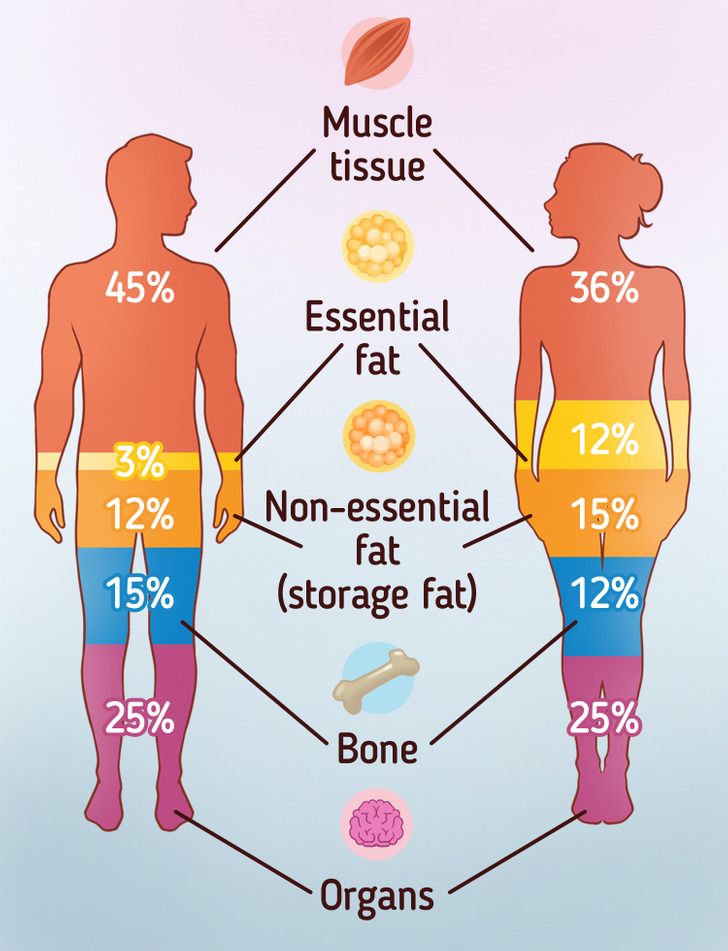
Essential fat is the minimum amount of fat required for the body to function properly. Unlike storage fat, this type of fat cannot be used purely as energy because it serves structural and physiological roles.
- Location → Found in the bone marrow, heart, lungs, liver, kidneys, central nervous system, and cell membranes.
- Functions → Protects organs, supports nerve conduction, regulates hormones, and helps the body absorb fat-soluble vitamins (A, D, E, K).
- Healthy levels → About 2–5% of body weight for men, 10–13% for women.
Women naturally require more essential fat due to reproductive functions (ovaries, breasts, pelvic fat). Dropping below this threshold impairs health and performance.
What Is Storage Fat?
Storage fat is any fat that exceeds essential needs. It is the body’s reserve fuel, stored mainly under the skin (subcutaneous fat) and around internal organs (visceral fat).
- Location → Abdomen, thighs, hips, buttocks, and around organs.
- Functions → Provides energy during deficits, insulates against cold, and cushions organs.
- Flexibility → Levels rise or fall depending on diet, training, and lifestyle.
For bodybuilders, storage fat is the “variable” component of body composition. Managing it is what separates the off-season bulk from stage-ready conditioning.
Essential Fat vs Storage Fat: Key Differences
It’s easiest to see the contrasts in a side-by-side table:
| Feature | Essential Fat | Storage Fat |
|---|---|---|
| Function | Vital for survival and health | Energy reserve, insulation, protection |
| Location | Organs, CNS, bone marrow, cell membranes | Subcutaneous (under skin), visceral (around organs) |
| Percentage (men) | 2–5% | Variable, above 5% |
| Percentage (women) | 10–13% | Variable, above 13% |
| Flexibility | Cannot be reduced below minimum | Can increase or decrease with lifestyle |
| Bodybuilding role | Keeps body alive and hormones balanced | Manipulated for aesthetics and competition prep |
Body Fat Percentages in Bodybuilding
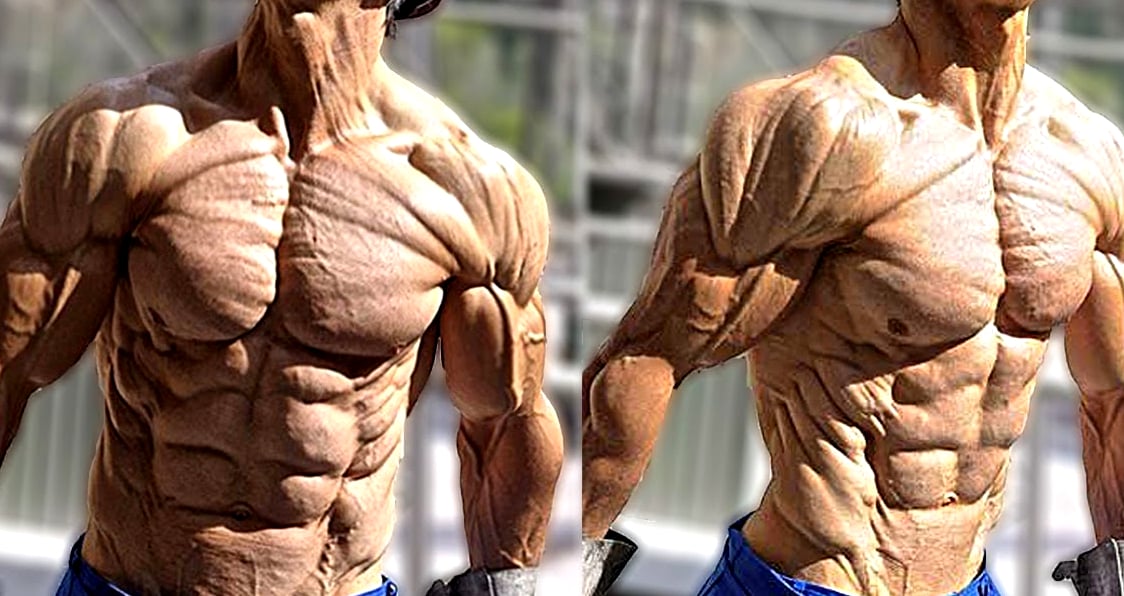
Bodybuilders are among the few athletes who deliberately push storage fat levels extremely low to maximize muscular definition. Typical ranges are:
- Men:
- Off-season: 10–15%
- Contest prep: 3–5% (touching essential fat range)
- Women:
- Off-season: 18–22%
- Contest prep: 8–12% (close to essential fat levels)
These numbers show why contest prep is so demanding. Athletes intentionally approach the lowest safe threshold, which can cause significant stress on the body.
Health Risks of Dropping Below Essential Fat
Going below essential fat levels is dangerous and unsustainable. Risks include:
- Hormonal disruption → Men may experience decreased testosterone; women may develop amenorrhea (loss of menstrual cycle).
- Metabolic slowdown → Lower thyroid activity and decreased energy levels.
- Weakened immunity → More frequent illness and slower recovery.
- Bone health issues → Increased risk of fractures due to lower estrogen/testosterone and reduced nutrient absorption.
- Mental effects → Mood swings, anxiety, and poor concentration.
How Storage Fat Affects Performance and Aesthetics
Storage fat is not purely negative. In moderate amounts, it provides advantages:
- Energy availability → A buffer during intense training or caloric deficit.
- Recovery support → Fat helps regulate hormones that promote recovery.
- Insulation → Small amounts aid endurance athletes training in cooler climates.
But excess storage fat harms performance:
- Slower sprinting and reduced vertical jump due to excess body mass.
- Lower muscle definition, hiding years of hard-earned training.
- Increased injury risk (extra weight stresses joints).
For bodybuilders, the challenge is finding the right balance—low enough storage fat for definition, high enough for health and performance.
Coach’s Note: Lessons from Contest Prep
As a coach, I’ve seen athletes push storage fat levels down to dangerous levels in pursuit of shredded abs and striated glutes. One competitor I worked with dropped to about 3% body fat. On stage, he looked phenomenal. Off stage, he was exhausted, constantly cold, and mentally drained.
That experience reminded me of a key truth: contest shape is temporary. You can showcase low storage fat briefly, but living there is not realistic. Successful athletes respect the difference between “stage ready” and “healthy lean.”
Strategies for Managing Fat Levels
The key to successful bodybuilding lies in learning how to manage fat intelligently. These strategies provide a roadmap to preserve health while reaching the physique goals you’re aiming for.
1. Set Realistic Targets
- Stay within 10–15% (men) or 18–22% (women) during the off-season.
- Only dip near essential fat for short-term competition prep.
2. Use Periodization
- Alternate between cutting (reducing storage fat) and maintenance or bulking (restoring energy and muscle).
- Avoid year-round dieting.
3. Prioritize Resistance Training
- Strength training preserves muscle and metabolic rate during cuts.
- Cardio helps, but muscle preservation is priority.
4. Balanced Nutrition
- Include healthy fats (omega-3s, monounsaturated fats) to support hormones.
- Keep protein high to maintain lean mass.
- Avoid extreme fat restriction—it damages health.
5. Monitor Body Composition, Not Just Weight
- Use skinfold calipers, DEXA scans, or bioelectrical impedance.
- Weight alone doesn’t reveal the difference between essential and storage fat.
Coach’s Note: Advice for Everyday Lifters
If you’re not stepping on stage, you don’t need to push fat levels near essential thresholds. As a coach, I tell recreational lifters that a sustainable body fat range—10–12% for men, 18–20% for women—offers the best blend of aesthetics, health, and performance.
Looking lean and muscular is impressive, but so is training hard year after year without burnout. Respect your essential fat, and treat storage fat as a tool you can manage, not an enemy you must eliminate completely.
Long-Term Perspective: Respecting the Balance
For bodybuilders, understanding essential fat vs storage fat is more than trivia. It’s a roadmap for balancing aesthetics with health. Contest-level leanness is temporary. Health, performance, and longevity come from respecting the role of both essential and storage fat.
📚 Further Reading: If this article on Essential Fat vs Storage Fat sparked your interest, explore more in our Body Composition & Fat section. Discover guides on lean body mass, fat distribution, and proven strategies to optimize your physique for both performance and health.
✅ Key Takeaways
- Essential fat is vital for survival (2–5% men, 10–13% women). It cannot be reduced safely below these levels.
- Storage fat is flexible and can be increased or decreased for performance or aesthetics.
- Bodybuilders manipulate storage fat for definition but must protect essential fat for health.
- Dropping below essential fat risks hormones, immunity, and long-term health.
- Smart strategies include periodization, resistance training, balanced nutrition, and realistic targets.
Can you train your body to change essential fat levels?
No. Essential fat is biologically necessary and remains stable. Training and dieting only influence storage fat.
Why do women need more essential fat than men?
Women require higher levels due to reproductive functions—supporting fertility, pregnancy, and hormonal balance.
How do you measure essential fat separately from storage fat?
You can’t measure them individually in practice. Body composition tests (DEXA, calipers, BIA) estimate total body fat, which includes both types.
Is it dangerous for athletes to stay near contest fat levels year-round?
Yes. Prolonged low fat levels can disrupt hormones, weaken immunity, and impair recovery. Contest leanness should only be temporary.
Does having more storage fat always mean worse performance?
Not necessarily. A small reserve of storage fat can support energy and endurance. Performance declines mainly when storage fat is excessive.
What role does diet quality play in managing storage fat?
It’s not just about calories. Diets rich in protein, healthy fats, and micronutrients help preserve lean mass and hormonal balance while reducing excess storage fat.
