


Introduction
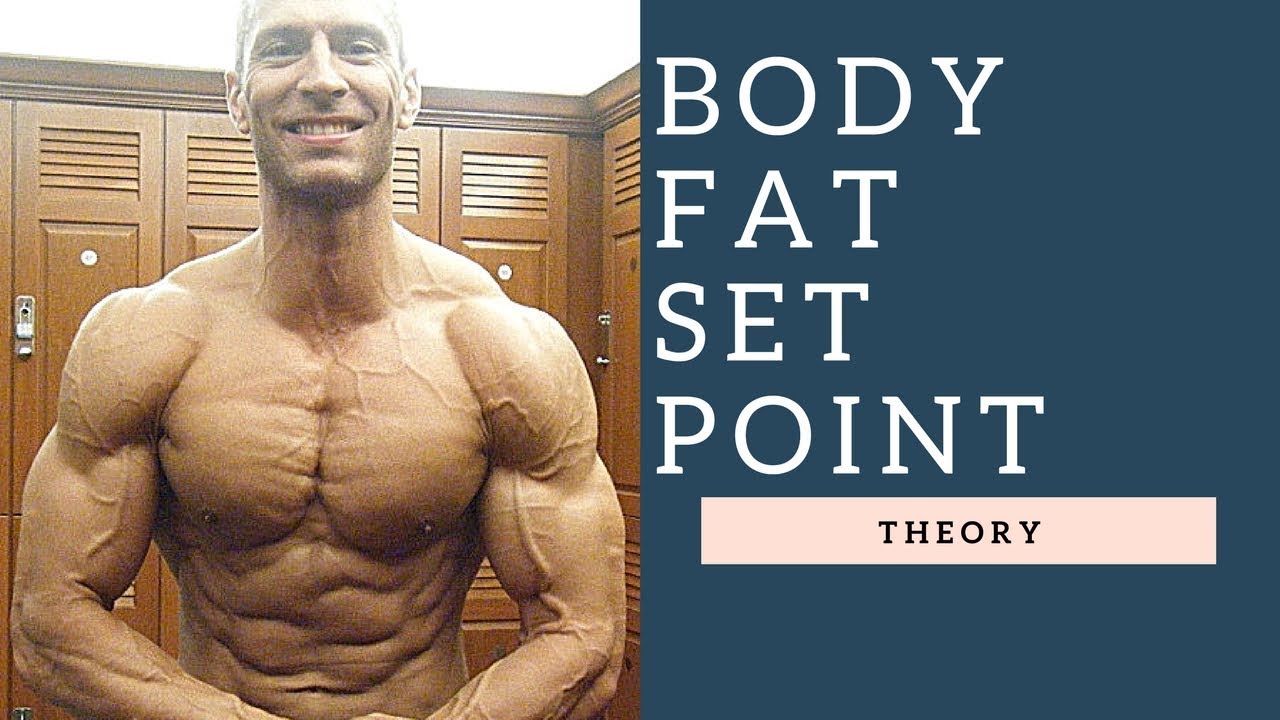
Many athletes and bodybuilders are familiar with the frustration of hitting a plateau during their fat loss efforts. Despite training hard, eating clean, and staying disciplined, the scale refuses to move, and the mirror looks unchanged. This is often explained by what’s called the body fat set point theory — the idea that your body has a preferred range of fat it “defends,” making it harder to go lower or higher.
Just as the spot reduction myth misleads people into thinking they can control where fat is lost, the set point theory addresses a different challenge: whether you can control how low your body fat can be sustained.
What Is the Body Fat Set Point?
The set point theory suggests that everyone has an internal “thermostat” for body fat, regulated by hormones, brain signals, and genetics. Your body resists changes outside this preferred range.
- When you diet and lose fat, hunger hormones rise, energy expenditure slows, and cravings increase.
- When you overeat and gain fat, your metabolism speeds up slightly, and your appetite decreases to help you return to a normal weight.
This feedback loop, primarily managed by the hypothalamus, aims to maintain your balance. From an evolutionary perspective, this made sense — it protected humans from both starvation and excess weight.
The Science Behind Set Point Theory
Research has shown that the body strongly resists both fat loss and fat gain, acting almost like a thermostat for body weight. This resistance is mediated by multiple physiological systems that are constantly communicating with one another.
- Hormonal feedback: Hormones like leptin, insulin, ghrelin, and thyroid hormones constantly signal the brain, particularly the hypothalamus, about the body’s energy stores. For example, when fat mass decreases, leptin levels fall, which triggers stronger hunger signals and reduced energy expenditure. At the same time, ghrelin rises, making food more appealing and increasing cravings.
- Metabolic adaptation: When calories are restricted, the body compensates by lowering resting metabolic rate more than would be expected based purely on the weight lost. This adaptation means you burn fewer calories at rest and during activity, making further fat loss harder. In addition, movement outside of exercise (non-exercise activity thermogenesis, or NEAT) often decreases unconsciously.
- Appetite and satiety changes: Beyond hunger, the brain adjusts how rewarding food feels. After dieting, high-calorie foods taste better and trigger stronger reward responses in the brain, nudging you to eat more.
Long-term studies on weight loss maintenance show that many individuals eventually regain some or all of the lost weight. Importantly, this is not simply a failure of discipline or motivation. Instead, it reflects the powerful biological drive to defend body fat within a preferred range.
For athletes and bodybuilders, understanding this helps explain why reaching very low levels of body fat is such a battle — you’re fighting against deeply ingrained survival mechanisms.
Set Point vs. Settling Point
Some researchers argue that the set point model is too rigid, as if your body is locked into one fat level forever. Instead, they propose the concept of a settling point — the idea that your body fat level reflects the balance between biology and environment.
- Set point = genetics and biology dominate. Your body defends fat stores vigorously, with limited room for change.
- Settling point = lifestyle, environment, and behavior interact with biology, creating more flexibility in where your body fat “settles.”
A clear example comes from populations that migrate. Research shows that individuals who move from rural areas with traditional diets to urban environments with highly processed foods often experience an increase in average body fat, even though their genetics have not changed. Their “settling point” shifted upward because the environment (calorie-dense food, less daily activity) encouraged fat gain.
On the other hand, athletes who consistently train and fuel their bodies smartly often manage to maintain body fat levels significantly lower than what their genetics alone might predict. Over time, their settling point adjusts downward thanks to years of structured habits, high energy expenditure, and diet discipline.
This perspective is encouraging: it means that while genetics sets the framework, your daily actions can reshape the outcome. The “walls” of your biology exist, but they are not immovable.
Coach’s Note
I’ve worked with many clients who got stuck at what seemed like a “fat loss wall.” One client hovered at 18% body fat for months despite training and eating clean. Another client couldn’t push below 12% without extreme fatigue and irritability. These weren’t failures of discipline — they were signs of the body defending its set point. With smart adjustments to training, diet breaks, and patience, both clients eventually broke through. The key lesson: progress is possible, but it takes strategy and time.
Can You Change Your Body Fat Set Point?
Yes, but it’s not quick or easy. Evidence suggests that long-term, consistent changes in diet and activity can alter the optimal range of body fat. Here’s how:
- Sustainable calorie deficit: Crash dieting often backfires, but modest deficits held over months can lower your body’s defended range.
- Strength training: Building lean mass increases metabolic rate and supports fat loss.
- Diet composition: High-protein, high-fiber diets improve satiety and help regulate appetite hormones.
- Lifestyle habits: Quality sleep and stress management reduce hormonal disruptions that can reinforce a higher set point.
- Diet breaks & refeeds: Strategic breaks from dieting may help reset hormonal signals, such as leptin and thyroid hormones.
Coach’s Note
Changing your body’s fat set point isn’t a quick fix, but it’s far from impossible. With patience, discipline, and time, the body adapts to consistent habits. Every smart meal choice, every training session, every recovery night builds momentum. Over months and years, this momentum reshapes your physiology. In my experience, persistence beats genetics more often than most people think.
Myth vs Reality
Myth: Your set point is fixed, and you can’t change it.
Reality: Genetics matter, but consistent lifestyle habits can shift your body’s defended fat range over time.
Strategies to Overcome Plateaus

Breaking through a plateau requires a mix of science, strategy, and patience. Here are practical approaches that I’ve seen work both in the research and with athletes in the gym:
- Track more than weight – The scale tells only part of the story. Use tape measurements for the waist, hips, arms, and thighs, and, if possible, body fat calipers or a reliable body fat scanner. Many athletes panic when the scale stalls, but they’re still losing fat while gaining muscle.
- Use periodization – Just like strength training cycles, nutrition should be periodized. Rotate between phases of fat loss and maintenance (or slight surplus) to keep metabolism responsive. Even short “diet breaks” of 7–14 days can restore leptin and thyroid function, making the next fat-loss phase more effective.
- Don’t rush – Aggressive deficits often backfire. Losing 0.5–1% of body weight per week allows the body to adapt without excessive stress. Slow, steady progress is also easier to sustain in the long term. Remember: the faster you drop fat, the faster your body usually fights back.
- Prioritize recovery – Training hard without proper recovery elevates cortisol, disrupts sleep, and reduces testosterone — all of which stall fat loss. Ensure 7–9 hours of quality sleep, schedule rest days, and use deload weeks in your training plan. Recovery is not optional; it’s part of the program.
- Stay flexible – A diet that feels overly restrictive rarely lasts. Build a plan that fits your lifestyle: allow for favorite foods in moderation, include variety, and avoid labeling foods as “good” or “bad.” Flexibility helps maintain high adherence, which is the key to achieving fat loss success.
- Focus on lifestyle levers – Stress management, hydration, and daily activity (such as walking, standing, and movement outside of training) all make a difference. Many athletes overlook these small factors, but combined, they can tip the balance in favor of continued fat loss.
Action Plan: Breaking Through a Fat Loss Plateau
- 📏 Track more than weight – include tape measurements and body fat checks.
- 🔄 Use periodization – alternate fat loss and maintenance phases to stay adaptive.
- ⏳ Don’t rush – aim for 0.5–1% body weight loss per week.
- 😴 Prioritize recovery – sleep 7–9 hours, manage rest days, and use deload weeks.
- 🍽️ Stay flexible – allow favorite foods in moderation and build variety into your diet.
- 🌿 Focus on lifestyle levers – stress control, hydration, and daily activity matter too.
Conclusion
The body fat set point theory explains why fat loss is rarely a linear process. Your body has mechanisms designed to protect its preferred level of fat, making progress slower and plateaus inevitable. But this doesn’t mean you’re doomed to stay at one body fat percentage forever. With strategic training, nutrition, and lifestyle management, you can gradually shift your body’s “comfort zone” to a leaner, healthier place.
For bodybuilders, this knowledge is empowering. Instead of blaming yourself for hitting a wall, recognize it as part of the process — and use innovative, evidence-based strategies to move past it.
Key Takeaways
✅ The body fat set point theory explains why plateaus happen.
✅ Genetics influence fat storage, but habits can shift your defense range.
✅ Fat loss is harder the closer you get to your “stubborn” level, but not impossible.
✅ Strength training, high-protein diets, and patience are your best tools.
✅ Progress should be measured over months, not days.
Does the body fat set point change with age?
Yes. As we age, hormonal shifts (lower testosterone, estrogen, and growth hormone) and lifestyle factors can nudge the set point upward, making fat loss harder.
Can building muscle help lower the set point?
Absolutely. More lean muscle mass raises daily energy expenditure, which can shift the body’s defended fat level downward over time.
Is there a difference between athletes and non-athletes in defending a set point?
Yes. Athletes often maintain a lower settling point thanks to higher training volumes and structured diets, while sedentary individuals may defend a higher range.
How long does it take to shift the body’s set point?
Research suggests it takes months to years of consistent habits. Short-term diets rarely succeed because the body quickly pulls you back to the old range.
Do men and women have different set point ranges?
Yes. Women generally defend higher body fat percentages due to hormonal and reproductive functions, while men’s set point tends to be lower.
Can medications or medical conditions affect the set point?
Yes. Conditions like hypothyroidism or medications that influence appetite and metabolism (e.g., certain antidepressants or steroids) can alter the defended fat range.
