
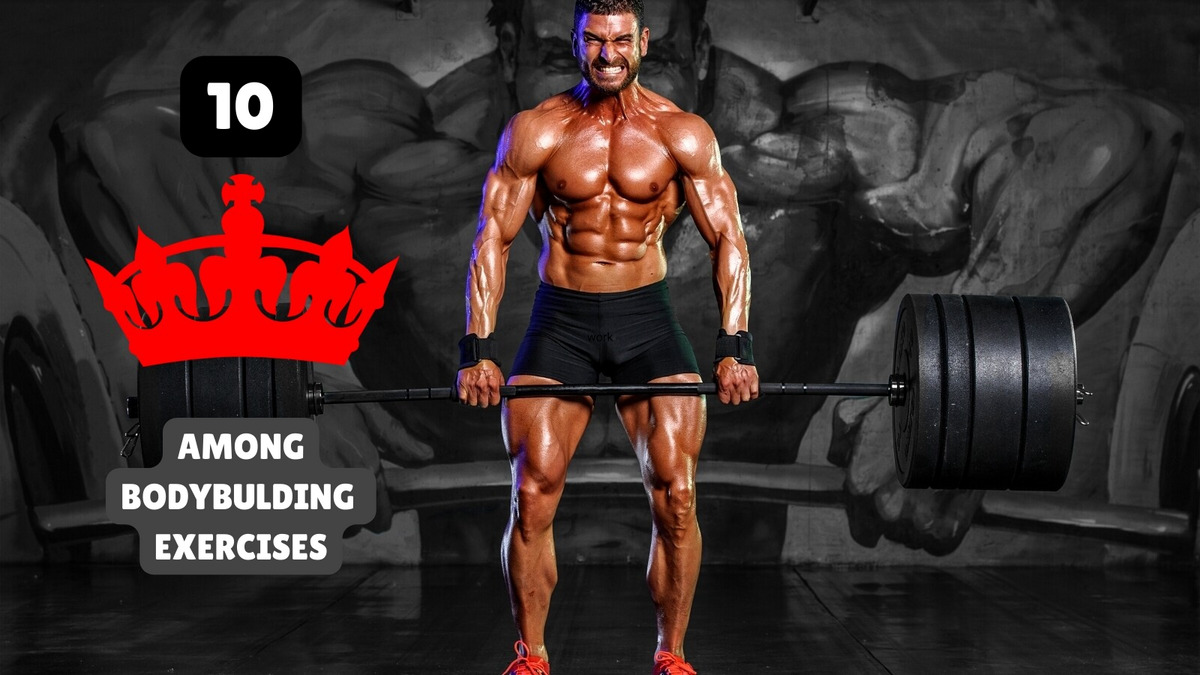
When it comes to building muscle, getting stronger, and achieving a well-sculpted physique, not all exercises are created equal. Some exercises reign supreme; they are the undisputed kings among bodybuilding exercises. These power-packed movements are time-tested and revered by fitness enthusiasts and professionals alike. Indeed, they are the most important weight training exercises of all time, forming the backbone of any serious training program.
Focus on the essentials, and you will see the fastest results. Master these exercises, and you will master your body – Ronald Dean Coleman
In this article, we analyze the top ten weight training exercises that have earned their place in the hall of fame for delivering the fastest and most effective results. These exercises are not just any routines; they are the staples, the bedrock of bodybuilding, engaging multiple muscle groups and providing maximum benefits with each rep.
What are the 10 most important weight training exercises of all time?
According to most fitness experts, these ten exercises are universally acknowledged as the best weight training exercises of all time:
- Barbell Squats
- Wide-Grip Pull-Ups
- Flat Bench Barbell Presses
- Bent-Over Barbell Rows
- Conventional Deadlifts
- Chin-Ups
- Bodyweight Triceps Dips
- Shoulder Presses (Military Presses)
- Barbell Biceps Curls
- Basic Forearm Plank
These exercises are praised for their effectiveness in building strength and muscle, making them staples in any solid weight training regimen.
Why are these ten exercises considered superior?
When it comes to building muscle, strength, and all-around fitness, not all exercises are created equal. The ten exercises discussed are lauded for their superiority, due to a variety of compelling reasons. These exercises offer numerous benefits that make them stand out in any weight training regimen. Here’s what is in common to all of them.
1. Engage Multiple Muscle Groups
One of the primary advantages of these exercises is their ability to engage multiple large muscle groups simultaneously. This means you get more done in less time, making your workouts highly efficient. For instance, deadlifts not only work your legs but also your back and core.
2. Compound Movements
These exercises are compound movements, meaning they involve multiple joints. This engages small stabilization muscles and enhances neuromuscular coordination, leading to improved overall body mechanics. The squat, for example, involves the knees, hips, and ankles.
3. Functional Strength
By mimicking real-life movements, these exercises help build functional strength that is transferable to everyday activities. You’re not just building muscle for aesthetics; you’re enhancing your body’s ability to perform daily tasks with ease.
4. Scalability
Whether you’re a beginner or a veteran, these exercises can be easily scaled to match your fitness level. You can increase or decrease the weight, adjust the rep range, or modify the exercise slightly to fit your current capabilities.
5. Cardiovascular Benefits
Due to their demanding nature, these exercises offer significant cardiovascular benefits. They get your heart rate up, providing a cardio workout while you lift. This dual benefit makes them exceptionally efficient.
6. Metabolic Boost
Because they involve so many muscle fibers, these exercises can lead to a higher metabolic rate. This means you continue to burn calories long after your workout is over, aiding in both weight loss and muscle gain.
7. Hormonal Response
These exercises stimulate a greater hormonal response, particularly in terms of releasing growth hormones and testosterone. This hormonal surge plays a critical role in muscle hypertrophy and overall strength gains.
8. Flexibility and Mobility
Regularly performing these exercises can improve your flexibility and mobility, reducing the risk of injuries in both the gym and daily life. For instance, the proper execution of squats can enhance hip mobility.
9. Customization and Variability
The versatility of these exercises allows for countless variations. Whether you want to focus on strength, hypertrophy, or muscular endurance, you can tweak these exercises to suit your specific goals.
10. Nervous System Engagement
Compound exercises are taxing to the nervous system, which forces your body to adapt by getting stronger and more efficient. This adaptation not only helps in lifting heavier weights over time but also provides significant neuro-muscular benefits.
The top ten weight training exercises under a magnifying glass
Delving deeper into each exercise, you’ll find that these ten powerhouses of weight training are lauded for their efficacy and versatility. Whether your goal is to build muscle, increase strength, or improve overall fitness, these exercises offer a robust foundation. Here’s a closer look at each exercise, along with instructions, benefits, muscle engagement, and possible variations.
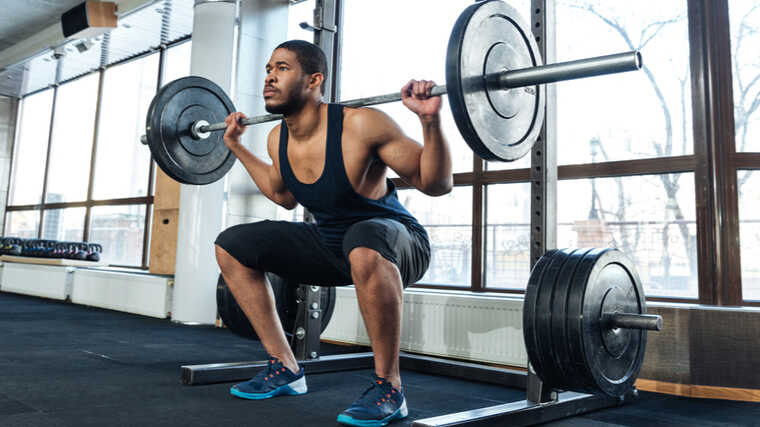
1. Barbell Squats
What Makes it Special: Barbell squats are unparalleled for their ability to develop lower body strength, enhance core stability, and improve overall power. They also boost mobility and flexibility in your hips and ankles.
Equipment Needed: Barbell, weight plates, squat rack.
Muscles Engaged: Quadriceps, hamstrings, glutes, lower back, calves, abdominal muscles.
Exercise Description: Position the barbell across your upper back, and stand with your feet shoulder-width apart. Lower your body by bending your knees and hips as if sitting back into a chair, keeping your chest up. Rise back to the starting position.
Variations: Front squat, goblet squat, single-leg squat.
Suitable for Home Training: Yes, if you have a squat rack and barbell setup.
Compound or Isolation: Compound
Performance Difficulty Score: 8/10 – Requires proper form and core stability to prevent injury.
Extra Tips & Facts: Squats are also known to release anabolic hormones like testosterone and growth hormone, which aid in muscle building. One common mistake beginners make with squats is not getting low enough. Aim to go as low as possible until you feel a full engagement in your glutes. Perform the movement slowly and in a controlled manner. Avoid increasing the weight until you’ve nailed the proper form, and be sure to maintain a proper arch in your back throughout the entire motion.
2. Wide-Grip Pull-Ups
What Makes it Special: Wide-grip pull-ups are key for building upper body strength and improving posture. They target your back muscles more intensely than standard pull-ups.
Equipment Needed: Pull-up bar.
Muscles Engaged: Latissimus dorsi, biceps, forearms, shoulders, upper back.
Exercise Description: Grab the pull-up bar with an overhand grip wider than shoulder width. Pull your body up until your chin is above the bar and then lower yourself back down.
Variations: Close-grip pull-ups, neutral-grip pull-ups, weighted pull-ups.
Suitable for Home Training: Yes, a doorway or wall-mounted pull-up bar can be useful.
Compound or Isolation: Compound
Performance Difficulty Score: 9/10 – Requires significant upper body strength and stability.
Extra Tips & Facts: Wide-grip pull-ups specifically target the outer muscles of your back, giving you a more defined V-shape. They can significantly improve your grip strength due to the wider hand placement and boost your functional fitness, making daily activities easier by improving upper body strength.

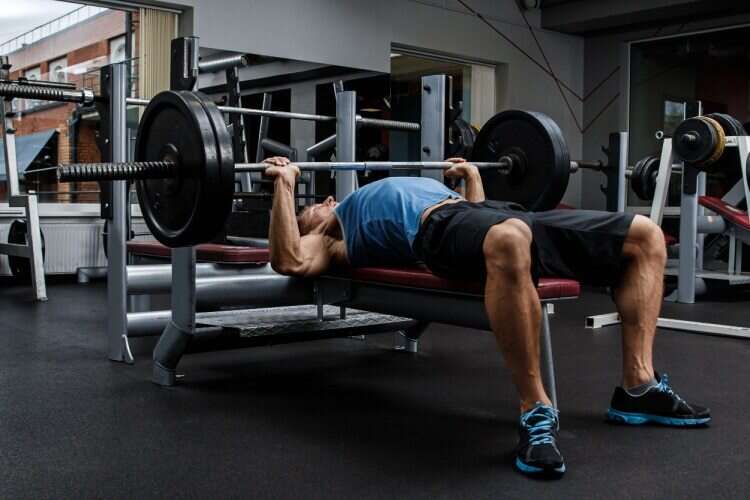
3. Flat Bench Barbell Presses
What Makes it Special: The flat bench press is excellent for developing upper body strength, focusing on the chest, shoulders, and triceps.
Equipment Needed: Barbell, weight plates, flat bench.
Muscles Engaged: Pectorals, triceps, deltoids.
Exercise Description: Lie on a flat bench with your feet flat on the ground. Grip the barbell slightly wider than shoulder-width. Lower the bar to your chest, then press it back up until your arms are fully extended.
Variations: Incline bench press, decline bench press, dumbbell bench press.
Suitable for Home Training: Yes, with a bench and barbell setup at home.
Compound or Isolation: Compound
Performance Difficulty Score: 7/10 – Requires control and balance, especially with heavy weights.
Extra Tips & Facts: The bench press is likely one of the first exercises you tried, but it’s also one that often lacks the proper attention it deserves. Using a barbell allows for greater weight to be lifted, compared to dumbbells, helping in strength gains. This exercise can also improve bone density due to the heavyweight resistance applied. Your chest comprises several different quadrants, and by adjusting the angles (i.e., incline, flat, decline), you can target specific areas more effectively. During the exercise, it’s crucial not to rush or throw the weight. Instead, maintain complete control and move slowly, especially during the negative phase. Focusing on your chest rather than your triceps will lead to significant gains in the size of your pectoral muscles.
4. Bent-Over Barbell Rows
What Makes it Special: Bent-over rows are great for building back thickness and strength while also enhancing posture and core stability.
Equipment Needed: Barbell, weight plates.
Muscles Engaged: Latissimus dorsi, rhomboids, trapezius, biceps, forearms.
Exercise Description: With feet shoulder-width apart, bend at your hips and knees, keeping your back straight. Hold the barbell with an overhand grip, pull the bar towards your torso, then lower it back down.
Variations: T-bar row, one-arm dumbbell row, inverted row.
Suitable for Home Training: Yes, requires minimal equipment.
Compound or Isolation: Compound
Performance Difficulty Score: 7/10 – Emphasizes proper form to avoid lower back stress.
Extra Tips & Facts: Bent-over rows can improve your posture by strengthening your upper and lower back muscles and enhancing your grip strength, which is beneficial for other lifts. Be cautious to maintain a proper lumbar curve—similar to squats and deadlifts—to avoid unnecessary stress on your lower back.

5. Conventional Deadlifts
What Makes it Special: Deadlifts are the ultimate full-body strength builder, with benefits like improved grip strength, core stability, and overall power.
Equipment Needed: Barbell, weight plates.
Muscles Engaged: Glutes, hamstrings, quadriceps, lower back, forearms, traps.
Exercise Description: Stand with feet shoulder-width apart. Grip the barbell with both hands just outside of your knees. Keeping your back flat, lift the bar by straightening your hips and knees.
Variations: Sumo deadlift, Romanian deadlift, trap bar deadlift.
Suitable for Home Training: Yes, with proper setup of a barbell and weights.
Compound or Isolation: Compound
Performance Difficulty Score: 8/10 – Ensures focus on form to prevent injury, especially to the lower back.
Extra Tips & Facts: They help in improving your posterior chain strength, which can reduce the risk of lower back pain. Deadlifts can also enhance your cardiovascular endurance when performed at higher intensities. Deadlifts are a game-changer, but they demand flawless form to avoid injury. To perform a deadlift, you grip a barbell and lift it from a squatting position to just above your knees. The crucial mistake to avoid is failing to keep a proper lumbar curve during the lift. Maintaining an arc in your lower back throughout the entire motion is essential, otherwise, you risk significant lower back stress. Additionally, avoid locking your knees completely straight; keep a slight bend to minimize strain on your lower back.

6. Chin-Ups
What Makes it Special: Chin-ups are remarkably effective for building arm and back strength, and they engage your biceps more than traditional pull-ups.
Equipment Needed: Pull-up bar.
Muscles Engaged: Biceps, latissimus dorsi, forearms, shoulders, upper back.
Exercise Description: Grab the bar with an underhand grip, shoulder-width apart. Pull yourself up until your chin is above the bar, and lower down smoothly.
Variations: Close-grip chin-ups, weighted chin-ups, neutral-grip chin-ups.
Suitable for Home Training: Yes, easily doable with a home pull-up bar.
Compound or Isolation: Compound
Performance Difficulty Score: 8/10 – Demands considerable upper body strength and control.
Extra Tips & Facts: Although considered a back exercise, chin-ups specifically target your biceps more than pull-ups due to the underhand grip. They generate significant muscle activation in the biceps due to the added resistance of your body weight, making them an efficient way to build biceps strength. Therefore, they hit your biceps far better than any other exercise classified as pure biceps exercise. They can also improve your mental toughness, as they are one of the more challenging bodyweight exercises.

7. Bodyweight Triceps Dips
What Makes it Special: Dips are essential for tricep development and also enhance shoulder and chest strength.
Equipment Needed: Parallel bars or a stable bench/chair.
Muscles Engaged: Triceps, pectorals, deltoids.
Exercise Description: Position yourself between parallel bars. Lower your body by bending your elbows, then push back up using your triceps.
Variations: Bench dips, ring dips, weighted dips.
Suitable for Home Training: Yes, especially with a sturdy chair or bench.
Compound or Isolation: Compound
Performance Difficulty Score: 7/10 – Maintains balance and proper form.
Extra Tips & Facts: The key pointers are to keep your elbows close to your body and maintain a straight posture. Leaning forward targets the chest more, but the primary goal of this exercise is to hit the triceps as effectively as possible. Adding weight with a weight belt is recommended to keep your rep range between 8-12.

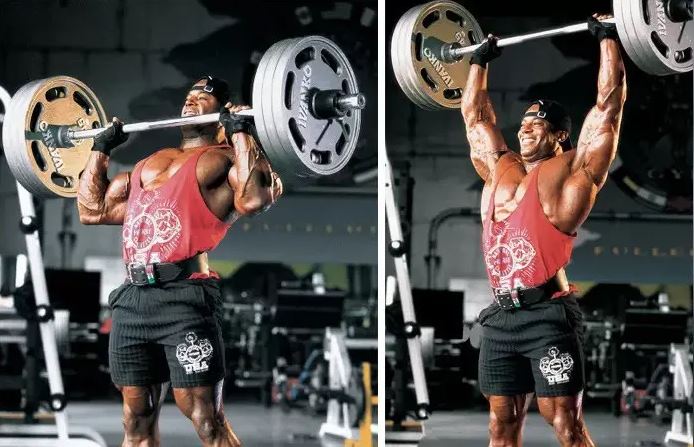
8. Shoulder Presses (Military Presses)
What Makes it Special: Military presses target shoulder strength and stability, contributing to enhanced upper body pressing power.
Equipment Needed: Barbell, weight plates.
Muscles Engaged: Deltoids, triceps, trapezius, upper chest.
Exercise Description: Stand with feet shoulder-width apart. Grip the barbell at shoulder level, and press it overhead until your arms are fully extended.
Variations: Seated military press, dumbbell shoulder press, Arnold press.
Suitable for Home Training: Yes, with a barbell or dumbbells.
Compound or Isolation: Compound
Performance Difficulty Score: 7/10 – Focuses on proper shoulder engagement to avoid strain.
Extra Tips & Facts: Shoulder presses can improve your core strength as well since you need to stabilize your torso during the lift. This exercise is excellent for increasing your functional strength and making day-to-day tasks easier.
9. Barbell Biceps Curls
What Makes it Special: Barbell biceps curls are fundamental for arm growth, effectively isolating the biceps.
Equipment Needed: Barbell, weight plates.
Muscles Engaged: Biceps brachii, brachialis, forearms.
Exercise Description: Stand with feet shoulder-width apart, and hold the barbell with an underhand grip. Curl the barbell up towards your chest and lower it back down.
Variations: Dumbbell curls, hammer curls, preacher curls.
Suitable for Home Training: Yes, with a barbell or dumbbells.
Compound or Isolation: Isolation
Performance Difficulty Score: 5/10 – Easier to learn with less risk, but requires proper form for effectiveness.
Extra Tips & Facts: Barbell curls are fantastic for building your biceps, but they also engage the stabilizer muscles in your front delts. While it might seem straightforward, executing this exercise correctly is crucial. A common mistake is to sway your body to lift the weight—avoid this to ensure you’re targeting your biceps properly and to protect your back. Another frequent error is allowing your whole arm to move. Your elbows should remain stationary throughout, except for a slight, controlled movement at the top of the rep for that final squeeze. Using an EZ curl bar can reduce strain on your wrists and improve lifting efficiency. Lastly, concentrate on a slow and controlled descent.

10. Basic Forearm Plank
What Makes it Special: Planks are crucial for core strength and stability, enhancing endurance and overall fitness.
Equipment Needed: None (optional mat for comfort).
Muscles Engaged: Core (rectus abdominis, transverse abdominis), shoulders, lower back, glutes.
Exercise Description: Get into a prone position with your forearms on the ground, and elbows beneath your shoulders. Keep your body in a straight line from head to heels, hold the position.
Variations: Side plank, plank with arm/leg lift, weighted plank.
Suitable for Home Training: Yes, no equipment is needed.
Compound or Isolation: Compound
Performance Difficulty Score: 6/10 – Requires endurance and core strength.
Extra Tips & Facts: Planks are incredibly effective for strengthening your entire core, not just the abs. They can help improve your posture by aligning your spine and shoulders during the hold. Forearm planks also engage your glutes and hamstrings, offering a full-body workout.

Conclusion
Embarking on a journey to enhance your strength and physique can be daunting with the sea of exercises available, but focusing on these ten cornerstone exercises can streamline your path to success. Each of these exercises stands out due to their ability to engage multiple muscle groups, their compound nature, and the extensive benefits they provide. Incorporate them into your routine to build functional strength, improve your metabolic health, and amplify your hormonal response. Tailor each exercise to suit your individual needs and keep challenging yourself with variations. Remember, consistency and proper form are essential to reap the best results. Happy lifting!
