


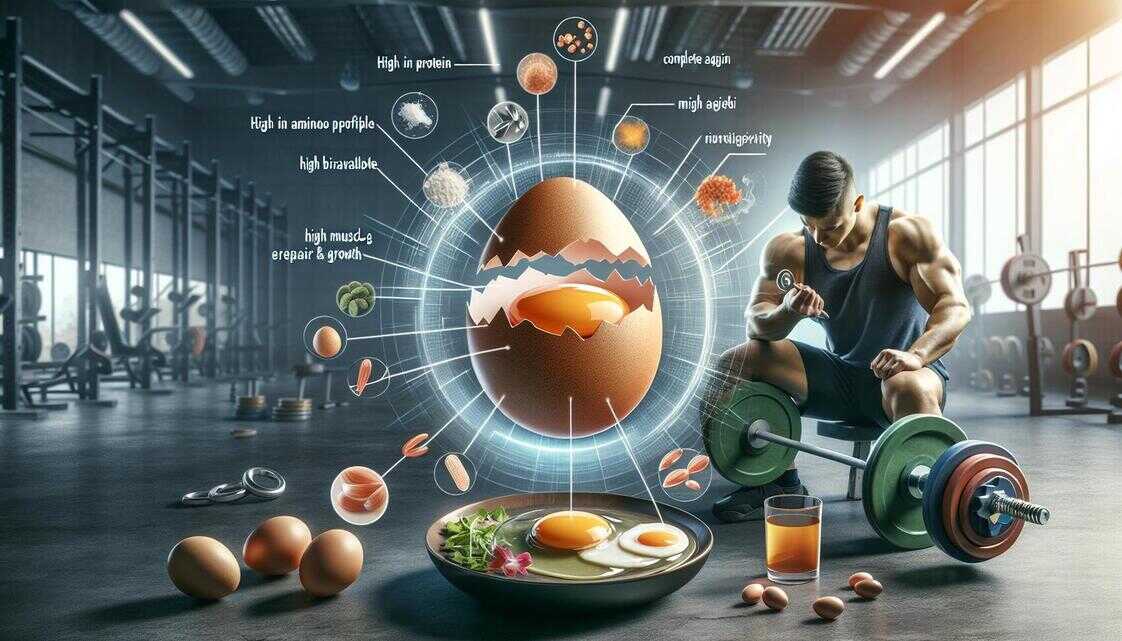
Are you on a mission to build muscle and wondering if eggs should be part of your daily diet? You’re in the right place! Eggs are not just a breakfast staple; they’re a powerhouse of essential nutrients that can bolster your muscle growth journey. Packed with high-quality proteins and a perfect blend of amino acids, eggs are an excellent ally for your muscle-building efforts.
In this article, we’ll elaborate on the benefits of eggs for muscle growth, explore their nutritional content, discuss the optimal times and methods to incorporate eggs into your meals, and even compare the benefits of egg whites versus whole eggs. Plus, we’ll look into the convenience of egg protein powder and share some mouth-watering bodybuilding recipes that include eggs.
Why Do We Need Protein to Build Muscles?
Muscles are primarily composed of protein, and to increase muscle mass, one must not only engage in regular strength training but also consume adequate amounts of protein to support the muscle-building process.
The muscle fibers sustain small tears when we engage in physical activity, particularly weightlifting or high-intensity workouts. This is a natural and necessary part of muscle growth, as the body works to repair these fibers, increasing muscle size and strength. Protein provides the building blocks, known as amino acids, vital for this repair process. Among the various protein sources available, eggs stand out as one of the best options for those focused on muscle development.
In addition to supporting muscle repair, protein plays a vital role in overall health. It helps regulate hormones, promotes immune function, and aids in producing enzymes that facilitate numerous bodily processes. For individuals striving to optimize their workout results, a protein-rich diet is not just beneficial but a critical component of their fitness regimen.
Benefits of Eggs for Muscle Growth
Eggs are often hailed as one of the best protein sources for those looking to build muscle, and for good reason. Their unique nutritional profile and versatility make them an ideal choice for anyone serious about enhancing their physical performance and achieving their fitness goals. In this section, we will explore the key benefits of eggs that contribute to muscle growth.
A. Rich in Essential Amino Acids
One of the primary reasons eggs are considered a superior protein source is their rich content of essential amino acids. Amino acids are the building blocks of protein, and the body cannot synthesize essential amino acids; they must be obtained through diet. Eggs contain all nine essential amino acids, making them a complete protein source. Nutrition expert Guoda Karoblyte explains, “Eggs provide essential nutrients necessary for muscle recovery and overall metabolic health.” This is particularly important for muscle growth, as these amino acids play a crucial role in muscle protein synthesis—the body’s process of repairing and building muscle tissue after exercise.
B. Supports Recovery and Repair
In addition to promoting muscle growth, the nutrients found in eggs are instrumental in recovery and repair. After intense workouts, the body requires adequate protein to repair the micro-tears that occur in muscle fibers. According to fitness trainer Jamie Beckerman, “Incorporating eggs into your post-workout meals supplies your muscles with the necessary nutrients to expedite repair processes and enhance recovery efficiency.” The high-quality protein in eggs helps facilitate this repair process, reducing recovery time and allowing for more effective training sessions. Furthermore, eggs are rich in leucine, an amino acid that stimulates muscle protein synthesis, making them particularly beneficial for post-workout recovery.
C. Convenient and Cost-Effective Source of Protein
Eggs are not only nutritionally beneficial but also incredibly convenient and economical. They are widely available and can be purchased relatively cheaply compared to other protein sources. This makes them accessible to a broad audience, from seasoned athletes to casual gym-goers. Renowned dietitian Lisa Booze comments, “Eggs offer a practical solution for those needing a quick yet nutrient-dense meal option.” Additionally, eggs are quick to prepare, making them an easy option for busy individuals looking to incorporate high-quality protein into their diet without spending excessive time in the kitchen. Whether boiled, scrambled, or poached, eggs can be ready to eat in just a few minutes, allowing seamless integration into any meal plan.
In summary, the benefits of eggs for muscle growth are multifaceted. Their complete amino acid profile, role in recovery and repair, and convenience as a protein source make them an exceptional addition to any muscle-building diet.
Nutritional Profile of Eggs
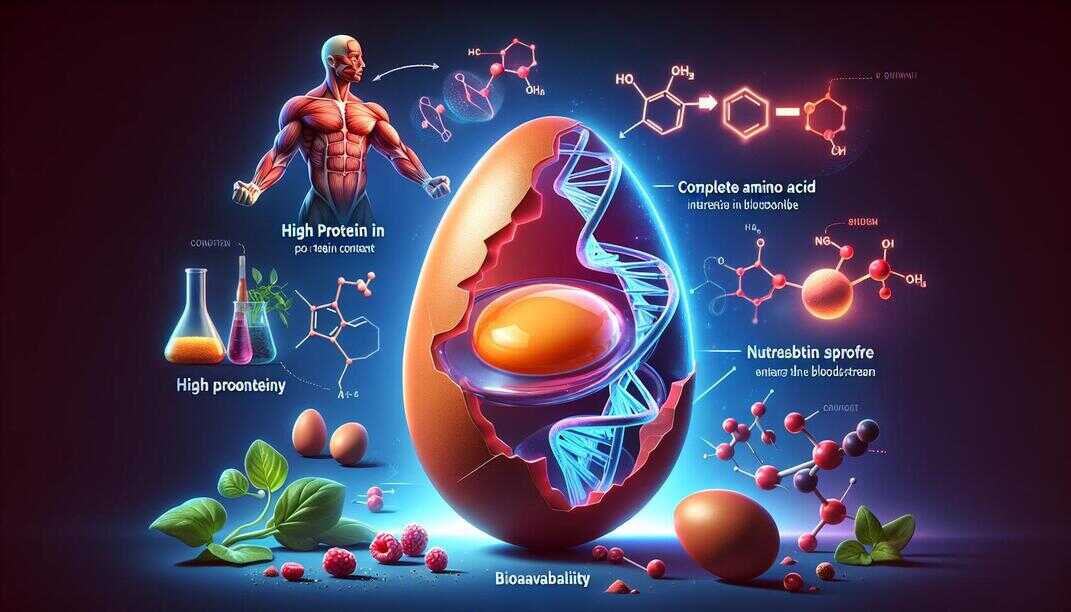
Eggs are often celebrated for their versatility in the kitchen and their impressive nutritional profile. A single large egg typically contains about 6-8 grams of high-quality protein and a variety of essential nutrients, making them a powerful ally in any muscle-building diet.
A. Macronutrients Breakdown
The macronutrient composition of eggs is a key factor contributing to their status as a superior protein source. A large egg generally contains approximately:
- Protein: 6-8 grams, with all nine essential amino acids the body cannot produce independently. This complete protein profile is crucial for muscle growth and repair.
- Fat: Approximately 5 grams, primarily composed of healthy unsaturated fats. The fat content contributes to satiety and provides a source of energy.
- Carbohydrates: Less than 1 gram, making eggs a low-carb food option that fits well into various dietary plans.
A single large egg, on average, contains about 72 calories. The balance of protein and healthy fats in eggs supports muscle growth and helps maintain energy levels throughout the day.
An average large egg contains around 186 milligrams of cholesterol, primarily in the yolk. However, recent studies suggest that dietary cholesterol from eggs has minimal impact on blood cholesterol levels for most people. Instead, saturated fats play a more significant role in raising blood cholesterol.
B. Vitamins and Minerals in Eggs
In addition to macronutrients, eggs are a rich source of vitamins and minerals vital for overall health and optimal muscle function. Key nutrients found in eggs include:
- Vitamin B12: Essential for red blood cell formation and neurological function, B12 plays a significant role in energy metabolism.
- Choline: Important for brain health and muscle function, choline also aids in synthesizing acetylcholine, a neurotransmitter involved in muscle contraction.
- Selenium: This antioxidant mineral helps protect cells from oxidative stress, which can be particularly important after intense workouts.
- Riboflavin (Vitamin B2): Supports energy production and helps in fats, carbohydrates, and protein metabolism.
- Folate: Plays a critical role in DNA synthesis and repair, making it essential for muscle growth and recovery.
The nutrient density of eggs makes them an excellent choice for anyone looking to enhance their dietary intake while supporting their fitness goals.
C. Comparison with Other Protein Sources
Unlike other familiar protein sources, eggs stand out for their affordability, convenience, and nutritional value. For instance:
- Chicken Breast: While chicken is also an excellent source of protein, eggs provide additional nutrients like vitamins D and B12 that are not as abundant in poultry.
- Whey Protein: While whey protein is fast-absorbing for post-workout recovery, whole eggs offer a broader spectrum of nutrients and may be more satiating due to their fat content.
- Legumes: While plant-based proteins like beans and lentils are rich in fiber and carbohydrates, they often lack some essential amino acids that eggs provide, making eggs a more complete protein source.
In summary, the nutritional profile of eggs, featuring a perfect blend of high-quality protein, healthy fats, and essential micronutrients, positions them as a top choice for those looking to build muscle effectively and efficiently.

Whole Egg vs. Egg White Debate
The debate between consuming whole eggs and egg whites often arises when building muscle. Understanding the nutritional differences and health benefits of each can help you make informed decisions that align with your fitness goals.
A. Nutritional Differences
Whole eggs consist of both the egg white and the yolk, while egg whites are the clear liquid that surrounds the yolk. A large whole egg contains approximately 70 calories, 6 grams of protein, 5 grams of fat, and less than 1 gram of carbohydrates. In contrast, a large egg white has about 17 calories, 3.6 grams of protein, and virtually no fat.
Most of the egg’s vitamins and minerals reside in the yolk, including vitamin D, vitamin B12, selenium, and choline. It also contains healthy fats that contribute to overall energy intake and support hormone production, essential for muscle growth. Therefore, while egg whites are a low-calorie source of protein, they lack many vital nutrients in whole eggs.
B. Health Benefits of Whole Eggs
Whole eggs are often considered a nutritional powerhouse. Combining high-quality protein and essential fatty acids in the yolk plays a significant role in muscle repair and growth. Healthy fats are crucial, as they can help optimize testosterone levels, a hormone key to muscle development.
Moreover, the antioxidants in egg yolks, such as lutein and zeaxanthin, contribute to eye health and overall well-being. The comprehensive nutrient profile of whole eggs makes them an excellent option for individuals looking to enhance their muscle-building efforts.
C. When to Choose Egg Whites
While whole eggs offer numerous benefits, there are scenarios where egg whites may be the preferred choice. Egg whites can be an excellent alternative for individuals monitoring their calorie intake or following a low-fat diet. They provide a substantial amount of protein with minimal calories and fat, making them ideal for cutting phases or losing weight while preserving muscle mass.
Athletes or bodybuilders with specific dietary restrictions or health conditions like high cholesterol may also opt for egg whites. Assessing your individual nutritional needs, goals, and any potential dietary restrictions is essential when deciding between whole eggs and egg whites.
In summary, both whole eggs and egg whites have their place in a muscle-building diet. Whole eggs provide a wealth of nutrients that support overall health and muscle growth, while egg whites offer a lean source of protein. The choice ultimately depends on personal fitness goals and dietary preferences.
When and How to Eat Eggs
A. Optimal Timing for Muscle Growth
Timing can be crucial when maximizing protein intake benefits, especially for those focused on muscle growth. Research suggests that consuming protein shortly after a workout can enhance recovery and muscle synthesis. Aim to eat eggs within 30 to 60 minutes post-exercise for optimal results. This anabolic window is significant as your muscles are primed to absorb nutrients, aiding in repair and growth. Additionally, starting your day with eggs for breakfast can provide sustained energy and protein to fuel your activities, making them an excellent option for your morning meal.
B. Cooking Methods and Their Impact
How you prepare your eggs can influence their nutritional value and the benefits they offer. Standard cooking methods include boiling, poaching, scrambling, and frying. Boiling and poaching are healthier options since they don’t require added fats, preserving the eggs’ natural nutritional profile. Scrambling can be nutritious with minimal oil while frying may increase calorie content due to the added fats. It’s also worth noting that cooking eggs can increase the availability of certain nutrients, such as biotin while making protein easier to digest. Therefore, consider your cooking methods carefully to ensure you’re getting the most out of your eggs.
C. Incorporating Eggs into Your Diet
Incorporating eggs into your daily meals is simple and versatile. They can be included in various dishes, from breakfast to dinner. Start your day with a classic omelet packed with vegetables and lean proteins, or enjoy a hard-boiled egg as a quick snack. For lunch, consider adding a poached egg on top of a salad or grain bowl for a protein boost. Dinner can feature eggs in stir-fries or frittatas. Additionally, eggs can be a key ingredient in smoothies for an extra protein kick without compromising flavor. With their adaptability, eggs can fit seamlessly into any meal plan, ensuring you get the protein necessary for muscle growth while enjoying a delicious and varied diet.

Recipes and Ideas
Incorporating eggs into your diet can be delicious and nutritious, especially for those focused on muscle building. Below are some high-protein recipes and creative ideas that highlight eggs’ versatility and ensure you’re reaping their muscle-building benefits.
A. High-Protein Breakfast Recipes
Spinach and Feta Omelet
- Ingredients: 3 whole eggs, a handful of fresh spinach, 1/4 cup crumbled feta cheese, salt, and pepper.
- Instructions: Whisk the eggs in a bowl and season with salt and pepper. In a non-stick skillet, sauté the spinach until wilted. Pour in the eggs, gently stirring to combine. Once the eggs begin to set, sprinkle feta on top, fold the omelet, and cook until fully set. This dish is packed with protein and loaded with vitamins from the spinach.
Egg and Avocado Toast
- Ingredients: 2 slices of whole-grain bread, 2 poached eggs, 1 ripe avocado, salt, pepper, and chili flakes.
- Instructions: Toast the bread to your liking. Mash the avocado and season it with salt, pepper, and chili flakes. Spread the avocado on the toast and top with the poached eggs. This meal perfectly balances healthy fats and protein to kickstart your day.
B. Creative Egg-Based Snacks
Egg Muffins
- Ingredients: 6 whole eggs, diced vegetables (bell peppers, onions, tomatoes), shredded cheese, salt, and pepper.
- Instructions: Preheat the oven to 350°F (175°C) and grease a muffin tin. In a bowl, whisk the eggs and mix in the vegetables, cheese, salt, and pepper. Pour the mixture into the muffin tin, filling each cup about 3/4 full. Bake for 20-25 minutes or until the egg is fully set. These muffins are portable, easy to make in advance, and perfect for a protein-packed snack.
Deviled Eggs with Greek Yogurt
- Ingredients: 6 hard-boiled eggs, 1/4 cup Greek yogurt, mustard, salt, pepper, and paprika.
- Instructions: Slice the hard-boiled eggs in half and scoop the yolks into a bowl. Mix the yolks with Greek yogurt, mustard, salt, and pepper until smooth. Spoon or pipe the mixture back into the egg whites and sprinkle with paprika. These deviled eggs provide a creamy texture with added protein from Greek yogurt.
C. Egg Dishes for Meal Prepping
Shakshuka
- Ingredients: 4 whole eggs, 1 can of diced tomatoes, 1 onion, 1 bell pepper, garlic, cumin, salt, and pepper.
- Instructions: Sauté diced onion, bell pepper, and minced garlic in a skillet until softened. Add the canned tomatoes and spices, then simmer for 10 minutes. Create small wells in the sauce and crack an egg into each well. Cover and cook until the eggs are set. Serve with whole-grain bread for a hearty meal prep option.
Egg Fried Quinoa
- Ingredients: 1 cup cooked quinoa, 2 whole eggs, mixed vegetables (carrots, peas, corn), soy sauce, and green onions.
- Instructions: In a skillet, scramble the eggs until fully cooked and set aside. In the same skillet, stir-fry the mixed vegetables until tender. Add the quinoa and soy sauce and mix well. Add the scrambled eggs to the skillet and garnish with chopped green onions. This dish is perfect for meal prepping as it stores well and can be easily reheated.
Incorporating these recipes into your weekly meal plan can ensure you’re getting enough protein to support muscle growth while enjoying a variety of flavors and textures. Eggs are a staple in muscle-building diets and an incredibly versatile ingredient that can be adapted to suit your culinary preferences.
The Potential Risks and Benefits of Consuming Raw Eggs for Muscle-Building
Consuming raw eggs for muscle building has been popularized by various fitness enthusiasts and cultural references, but it’s important to weigh the potential risks and benefits.
Benefits:
- Quick Source of Protein: Raw eggs can be consumed quickly, providing a speedy protein source crucial for muscle repair and growth.
- Rich in Nutrients: Raw eggs contain essential vitamins and minerals like Vitamin B12, riboflavin, and iron that aid in muscle function.
- Supports Muscle Recovery: The amino acids in raw eggs may help reduce muscle soreness and promote faster recovery post-exercise.
Risks:
- Salmonella Risk: Consuming raw eggs carries the risk of salmonella infection, which can cause serious gastrointestinal illness.
- Biotin Deficiency: Raw egg whites contain avidin, a protein that can bind to biotin (Vitamin B7) and inhibit its absorption, potentially leading to deficiency if consumed excessively.
- Reduced Protein Absorption: Cooking eggs can increase the bioavailability of protein. Consuming them raw means your body might not absorb as much protein from the egg.
- Potential Allergies: Some individuals may be specifically allergic to raw egg proteins and not experience the same reaction to cooked eggs.
What About Pasteurized Eggs?
Pasteurized eggs have undergone heat treatment, eliminating harmful bacteria, such as Salmonella. This heating occurs at a temperature sufficient to destroy bacteria but not high enough to cook the egg. As a result, they maintain their raw-like texture and nutrient content while offering an added layer of safety. Because of these factors, pasteurized eggs are considered safer than raw eggs, especially for those who consume them regularly in recipes or as a part of a muscle-building diet.
You can purchase pasteurized eggs at most grocery stores, particularly in the refrigerated section alongside regular eggs. Many health food stores also carry pasteurized egg options in their original shell form or as liquid egg products. Just check the packaging for the “pasteurized” label to ensure you’re selecting the right product.
Conclusion: The Role of Eggs in a Muscle-Building Diet
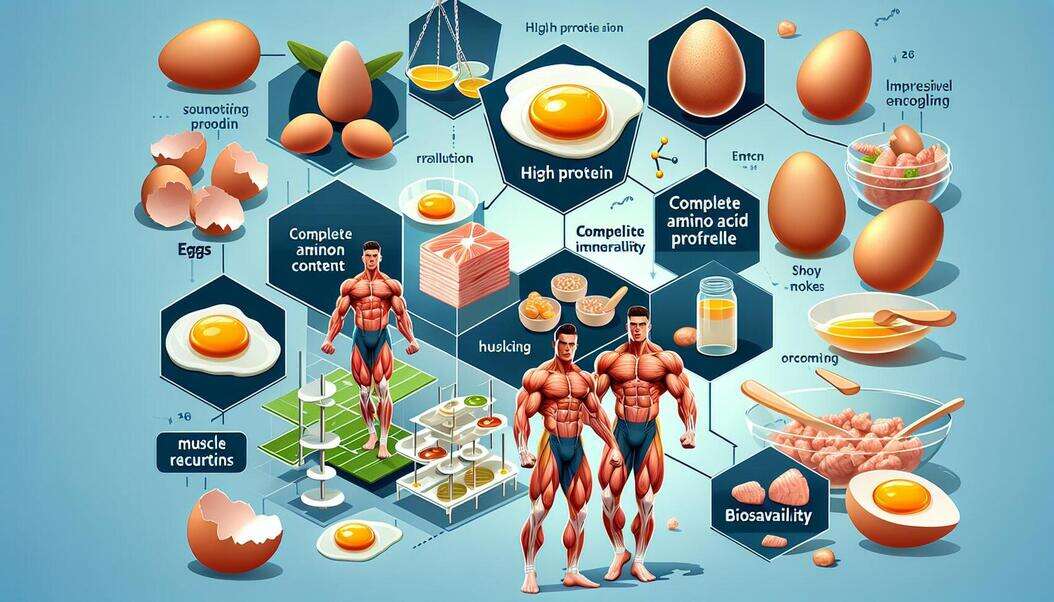
In conclusion, eggs are one of the most effective protein sources for building muscle and enhancing their overall fitness. Their rich profile of essential amino acids and their ability to support recovery and repair make them an invaluable asset in any muscle-building regimen. The convenience and cost-effectiveness of eggs further solidify their place as a staple in the diets of athletes, bodybuilders, and fitness enthusiasts alike.
The nutritional profile of eggs is impressive, offering a range of macronutrients, vitamins, and minerals that contribute to muscle growth and overall health. When considering whole eggs versus egg whites, it is essential to recognize the unique benefits of whole eggs, including healthy fats and a higher concentration of certain nutrients. While egg whites are a viable option for those seeking to reduce fat intake, incorporating whole eggs can enhance the nutritional quality of a diet aimed at muscle gain.
Timing and preparation methods also play crucial roles in maximizing the benefits of eggs. Consuming eggs at strategic times—such as post-workout or as part of a balanced breakfast—can optimize muscle recovery and growth. Additionally, exploring various cooking methods and recipes can help maintain variety in the diet, making it easier to adhere to nutritional goals.
Ultimately, eggs are not just a simple food; they are a powerhouse of nutrition that can significantly contribute to muscle-building efforts. By understanding their benefits, nutritional content, and versatile ways to incorporate them into meals, individuals can harness the full potential of eggs to support their fitness journeys.
