


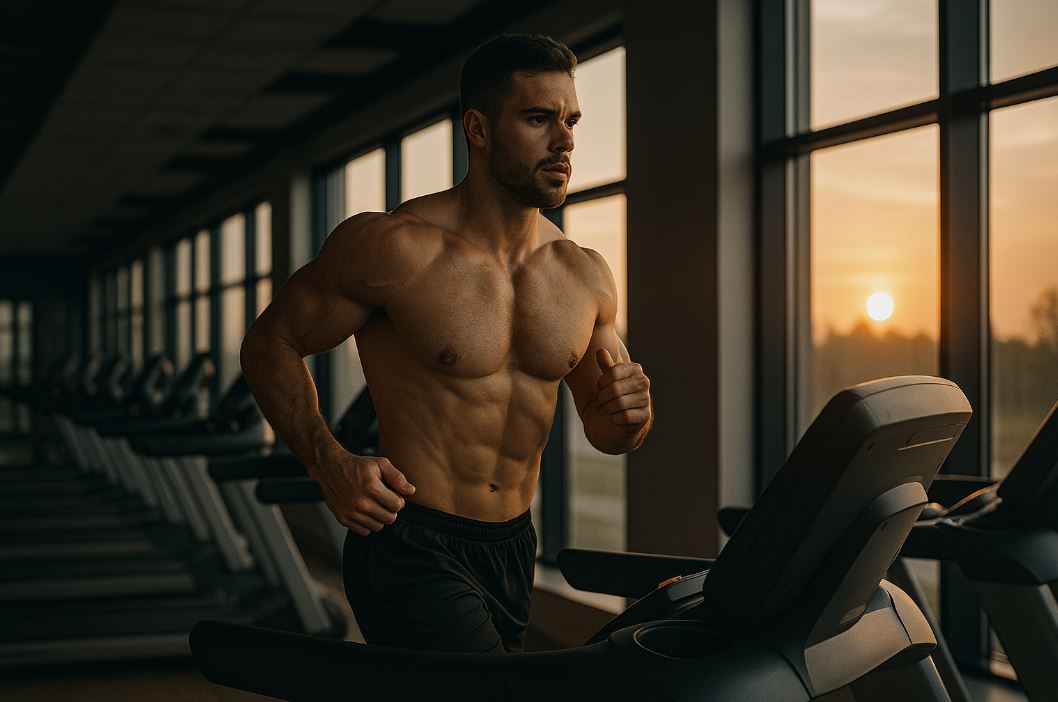
Introduction: Why Fasted Cardio Became a Hot Topic
Few methods spark as much debate in gyms and online forums as fasted cardio for fat loss. The idea is simple: wake up, skip breakfast, and do your cardio on an empty stomach to burn more fat. For some athletes, it sounds like the ultimate fat-loss hack. For others, it’s nothing more than a fitness myth.
As both a coach and exercise scientist, I’ve seen fasted cardio work for some clients and completely backfire for others. So what’s the truth? Let’s dive into the physiology, research, and practical applications so you can decide if fasted cardio belongs in your toolbox.
What Exactly Is Fasted Cardio?
Fasted cardio means performing cardiovascular exercise in a fasted state—most often in the morning, after an overnight fast, before eating breakfast. In this state, insulin levels are low, glycogen is low, and your body is more likely to tap into fat stores for fuel.
This is different from fed cardio, where you eat before your workout, providing immediate carbohydrate energy. Fed training often allows for higher performance and intensity, but it may reduce the percentage of fat used as fuel during exercise.
The core of the debate is simple: does burning more fat during exercise automatically mean you’ll lose more fat overall?
The Science Behind Fasted Cardio and Fat Loss
When you perform cardio in a fasted state, your body shifts fuel usage. With glycogen (stored carbs) partly depleted after an overnight fast, fat oxidation rises. Studies by Gonzalez et al. (2013) and Paoli et al. (2011) confirm that more fat is burned during the session itself compared to fed cardio.
But here’s the catch: what happens during exercise isn’t always what matters most over weeks or months. Research led by Schoenfeld and colleagues (2014) found that overall fat loss over several weeks was the same whether subjects trained fasted or fed—assuming calories and macros were matched.
In other words: fasted cardio changes the short-term fuel mix but doesn’t guarantee superior long-term fat loss.
Potential Benefits of Fasted Cardio
Even if it isn’t a magic bullet, fasted cardio for fat loss has potential benefits worth noting—especially when used strategically.
- Greater fat oxidation during training – In a fasted state, insulin levels are low, and your body taps more into fat as a fuel source. Research shows that the percentage of energy coming from fat can be higher compared to fed cardio. This doesn’t guarantee more fat loss over weeks, but for some athletes it creates a useful training stimulus.
- Convenience and consistency – Many athletes find early morning cardio easier to stick with before the demands of work or family life interfere. Not needing to prepare food beforehand also saves time, which makes consistency—arguably the most important factor—more achievable.
- Insulin sensitivity and metabolic flexibility – Training while fasted may help the body become more efficient at switching between fuel sources (carbs and fats). Over the long run, this could contribute to better metabolic health and potentially aid in body recomposition.
- Mental toughness and discipline – For bodybuilders, fasted cardio can be more than physiology; it’s psychological. Training without food builds resilience and routine. During contest prep, this discipline can help athletes stay focused when energy is low and motivation is tested.
- A leaner “feel” in cutting phases – Many competitors report feeling “emptier” and lighter after fasted cardio. While partly psychological, that sensation can reinforce the mental edge needed during fat-loss phases, where every small advantage in focus and confidence counts.
👉 The key point: fasted cardio may offer unique benefits for certain individuals, but its true power lies in being a tool within a bigger strategy—not a one-size-fits-all solution.
Coach’s Note
Over the years, I’ve noticed that many clients stick with fasted cardio simply because it’s easier to fit into their routine. One busy professional I coached never managed consistent evening workouts, but morning fasted walks before work became a non-negotiable habit—and the results followed. For him, it wasn’t about science or fat oxidation, it was about consistency. Sometimes the best benefit of fasted cardio is how simple it makes sticking to the plan. Another client, however, complained of dizziness and weak performance when skipping breakfast. It reminded me that no single approach works for everyone—context and personal preference matter most.
Drawbacks and Limitations of Fasted Cardio
Fasted cardio isn’t risk-free or universally effective. While it may sound simple, there are several important limitations to keep in mind:
- Reduced performance: Without readily available glycogen, high-intensity exercise such as sprints, intervals, or demanding circuits often feels harder. You may not be able to sustain the same pace or effort as you would after eating, which can reduce the overall training effect.
- Risk of muscle loss: When you’re in a prolonged fasted state or a calorie deficit, the body may turn to amino acids (from muscle protein) as a backup fuel source. Over time, this could compromise lean mass if fasted cardio is overused without proper nutrition and recovery.
- Increased fatigue: Some athletes feel drained for hours after fasted sessions, especially if the training is intense. This can negatively impact productivity, mood, or performance in strength sessions later in the day.
- Not superior long-term: While more fat is burned during the workout itself, meta-analyses show that total fat loss over weeks and months is the same between fasted and fed cardio—provided calorie intake is matched. In other words, energy balance remains the main driver of body composition.
- Potential hormonal stress: For some individuals, especially women, frequent fasted training may increase cortisol levels and stress response, leading to sleep disturbances or recovery issues if not managed carefully.
This is crucial for bodybuilders and athletes: if fasted cardio consistently reduces your lifting performance later in the day or causes lingering fatigue, the trade-off may not be worth it. It should remain a tool in your toolbox, not the foundation of your fat-loss strategy.
Fasted Cardio vs Fed Cardio: Head-to-Head
So which is better? The evidence is clear: neither fasted nor fed cardio is inherently superior for long-term fat loss. However, in the short term, fasted cardio does tend to increase fat oxidation more than fed cardio, which is why some athletes feel it’s more effective right after the session. In long term what matters more is energy balance (calories in vs calories out) and total training volume.
- Fasted cardio may burn more fat in the moment but not necessarily more body fat overall.
- Fed cardio allows for higher performance, which can increase total energy burned.
- Over time, both approaches produce similar results if nutrition is equal.
For some, the convenience and discipline of fasted cardio outweigh the drawbacks. For others, a pre-workout snack ensures better performance and sustainability.
Research Insight
In the short term, fasted cardio does appear more effective than fed cardio because it increases fat oxidation during the workout. Studies by Gonzalez et al. (2013) and Paoli et al. (2011) confirm this effect, although long-term fat loss results remain similar once calories are controlled.
Practical Guidelines for Athletes and Bodybuilders
If you want to experiment with fasted cardio for fat loss, here are practical ways to do it safely and effectively:
- Keep sessions moderate in intensity (walking, light jogging, cycling).
At lower intensities, the body relies more on fat for energy and less on muscle glycogen. This makes it ideal for fasted conditions, where glycogen is already low. Think of it as steady, sustainable cardio rather than a punishing workout. - Limit sessions to 20–40 minutes to avoid muscle catabolism.
Shorter, controlled sessions maximize fat oxidation without pushing your body to break down muscle protein for fuel. Beyond 40 minutes, especially in a calorie deficit, the risk of muscle loss increases significantly. - Use supplements like whey protein or EAAs if concerned about muscle loss.
While purists may argue this “breaks the fast,” in practice a small dose of amino acids protects lean tissue without heavily impacting fat metabolism. This is a smart compromise for bodybuilders who want to stay safe while cutting. - Save high-intensity intervals (HIIT) or heavy training for fed states.
Explosive work needs carbohydrates. Trying HIIT on an empty stomach often leads to underperformance, nausea, or feeling “flat.” Fed sessions let you push intensity, maintain strength, and preserve muscle while still burning plenty of calories. - Always track overall calorie intake—fasted cardio is a tool, not a replacement for dietary discipline.
Even if you burn more fat in the moment, long-term fat loss still comes down to maintaining a calorie deficit. Fasted cardio can help, but it cannot compensate for overeating later in the day. - Listen to your body and adjust.
Some people thrive on fasted sessions, while others feel drained or lightheaded. If you constantly feel weak, dizzy, or excessively sore, reduce frequency or switch to fed cardio.
Looking for a clean, effective recovery boost? Explore the best BCAA supplements for women — tested by coaches, backed by science, and designed for real results.
Explore Women’s BCAA GuideCoach’s Note
I once worked with a client who insisted on doing an hour of fasted cardio every morning while cutting. Within weeks, his strength in the gym dropped, and he complained of constant fatigue. We cut his sessions down to 25 minutes of moderate walking and introduced light post-cardio nutrition. Not only did he keep losing fat, but his strength and recovery bounced back. The lesson: more is not always better—especially with fasted training.
Common Myths About Fasted Cardio
| Myth | Reality Check | Explanation |
|---|---|---|
| It burns fat faster | Fasted cardio increases fat oxidation during the workout, but this doesn’t guarantee greater long-term fat loss. | Total fat loss depends on calorie balance, not just what fuel is used in a single session. |
| It’s essential for getting lean | Many bodybuilders achieve stage-level conditioning without ever using fasted cardio. | Fasted cardio is optional; it’s a tool, not a requirement for fat loss. |
| It always causes muscle loss | Muscle loss risk exists only if fasted cardio is overdone, paired with low protein intake, or performed at high intensity for long durations. | With proper nutrition and moderate sessions, muscle can be preserved. |
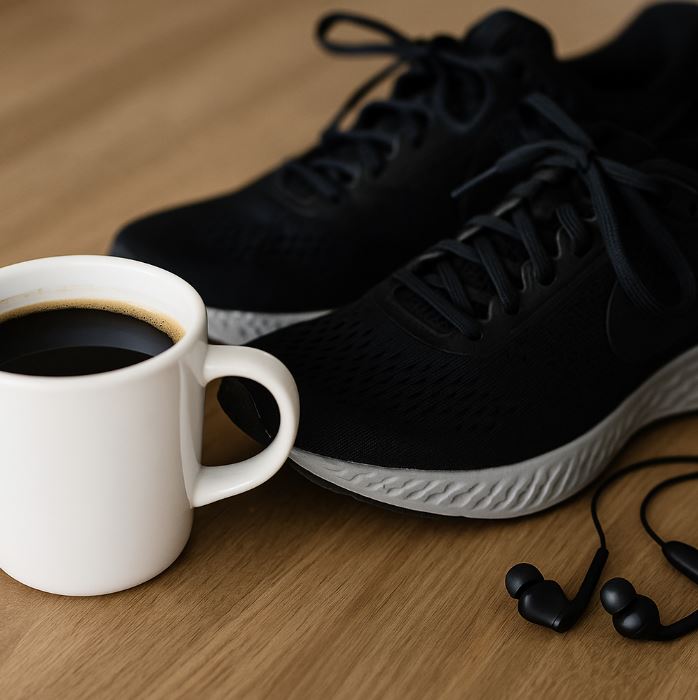
| Coffee breaks the fast | Black coffee does not break a fast and can even enhance fat oxidation. | Adding sugar or milk changes the metabolic response, but pure coffee or tea is fine. |
| Fasted cardio works better for everyone | Some athletes thrive with it, others feel weak, dizzy, or unmotivated. | Individual response varies; personal preference and sustainability matter most. |
| The longer the session, the better the results | Extended fasted cardio can increase muscle catabolism and hormonal stress. | Shorter, moderate sessions are safer and more effective for body composition. |
Conclusion: Does Fasted Cardio for Fat Loss Really Work?
So, does fasted cardio for fat loss deliver what it promises? The answer is: it depends. Fasted cardio increases fat oxidation during the workout, but long-term fat loss outcomes are the same as fed cardio when diet is equal.
For bodybuilders and athletes, it can be a useful tool during cutting phases, especially for moderate, steady-state sessions. I would especially recommend it for individuals with higher levels of body fat who are looking for a simple, low-intensity way to increase daily calorie burn. For them, short morning sessions can provide both a metabolic push and a psychological boost to start the day.
But it’s not a magic bullet—and if it compromises your energy or strength, fed cardio may be the smarter choice.
Ultimately, the best approach is the one you can stick with consistently, while maintaining a proper calorie deficit and protecting your hard-earned muscle.
Coach’s Note
When working with clients who carry a higher amount of body fat, I often recommend starting with morning fasted cardio. The simplicity of steady-state walking or cycling makes it sustainable, and they can fit it in before breakfast without overthinking. Over time, these sessions not only help burn extra calories but also build consistency—a crucial factor for long-term fat loss success.
Key Takeaways
- Fasted cardio for fat loss increases fat oxidation during the workout, but long-term results equal fed cardio when diet is matched.
- Best used for steady-state cardio at low to moderate intensity, 20–40 minutes per session.
- Helps some athletes build consistency and discipline, especially with higher body fat levels.
- Not ideal for high-intensity work—fed sessions preserve strength and performance better.
- Overall calorie deficit and proper nutrition remain the foundation of fat loss success.
Is fasted cardio better in the morning or evening?
Morning works best because you naturally wake up in a fasted state after sleeping. Evening fasted cardio is possible, but harder to achieve without skipping meals for many hours.
Can I drink BCAAs or whey protein before fasted cardio?
Technically, this breaks the “pure fast,” but many bodybuilders still use them to protect muscle while getting most of the fat-oxidation benefits.
Does fasted cardio work better for overweight beginners?
Yes, people with higher body fat levels often benefit more because they have greater fat reserves to use as energy during exercise.
How often should I do fasted cardio per week?
Two to four sessions per week are usually enough. Doing it daily may increase fatigue or interfere with recovery if you’re also lifting weights.
Is walking effective enough as fasted cardio?
Absolutely. Steady-state walking at a brisk pace is one of the safest and most sustainable forms of fasted cardio, especially for fat loss.
Does caffeine improve results from fasted cardio?
Yes, black coffee (without sugar and milk) before a session can boost fat oxidation and performance without breaking the fast.
Can fasted cardio help control appetite later in the day?
Some people report reduced appetite after morning fasted cardio, though research shows this effect varies individually.
Is fasted cardio safe for women during their menstrual cycle?
Yes, but women may be more sensitive to stress hormones when training fasted. It’s best to listen to your body and avoid pushing intensity too high on low-energy days.
