



Introduction: What Bulking Really Means in Bodybuilding?
In bodybuilding, bulking refers to the intentional phase of caloric surplus aimed at increasing muscle mass, strength, and overall size. It’s one of the most misunderstood stages in the sport — often confused with an excuse to eat everything in sight.
True bulking is a structured, strategic process that uses nutrition and training to maximize lean muscle gain while minimizing fat accumulation. It’s not about uncontrolled eating — it’s about precision, patience, and planning.
From my experience coaching bodybuilders and athletes, those who treat bulking as a science, not a free-for-all buffet, end up with stronger physiques and smoother transitions into the cutting phase.

The Science Behind Bulking: Energy Balance and Muscle Growth
At its core, bulking revolves around a straightforward concept: energy balance.
To build muscle, your body must consume more energy (calories) than it burns — a caloric surplus. This excess energy provides the raw material for muscle repair, glycogen storage, and protein synthesis after resistance training.
What Happens in a Caloric Surplus
When you eat in a surplus:
- Your body increases muscle protein synthesis (MPS) — the process of building new muscle tissue.
- Glycogen stores are replenished, allowing better training performance.
- Hormonal responses (testosterone, IGF-1, insulin) improve, supporting growth and recovery.
However, not all calories are created equal. A 500-calorie surplus from clean, whole foods will have a vastly different outcome than 500 calories from junk food.
Clean Bulking vs Dirty Bulking
When it comes to gaining size, not all bulking strategies are created equal. In bodybuilding, two main approaches dominate the discussion — clean bulking and dirty bulking — each offering very different outcomes for muscle quality, fat gain, and overall health.
Clean Bulking
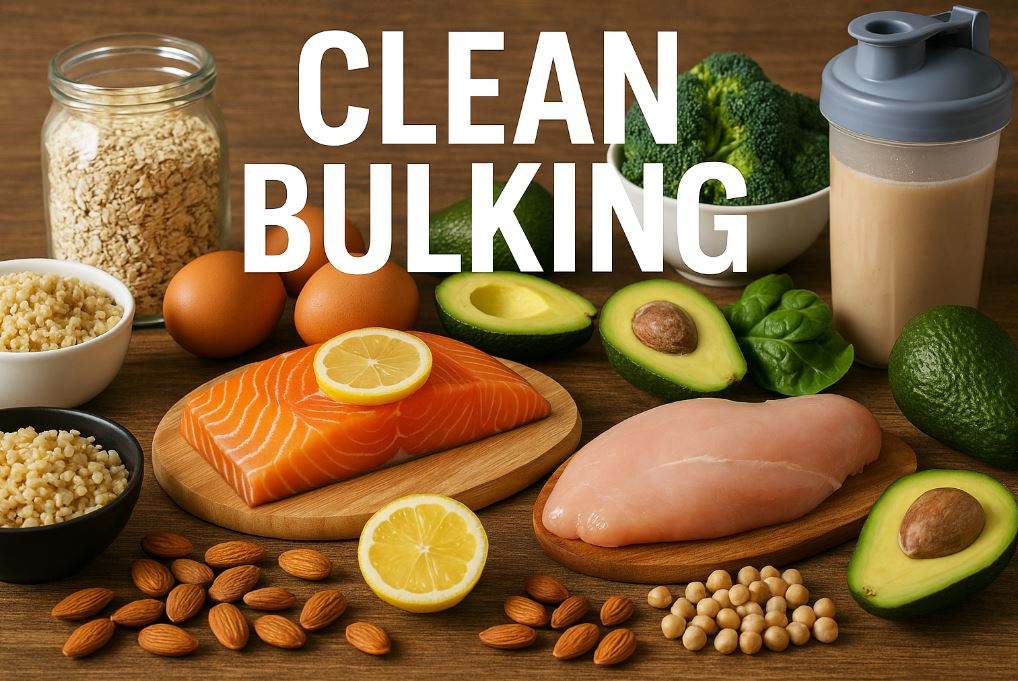
Clean bulking focuses on eating nutrient-dense, minimally processed foods with a controlled surplus — usually 10–20% above maintenance calories. The goal is to gain lean mass gradually, keeping fat gain to a minimum.
- Emphasizes lean proteins (chicken, fish, eggs, whey)
- Relies on complex carbohydrates (rice, oats, potatoes)
- Includes healthy fats (avocado, olive oil, nuts)
- Encourages consistent tracking of calories and macros
Dirty Bulking
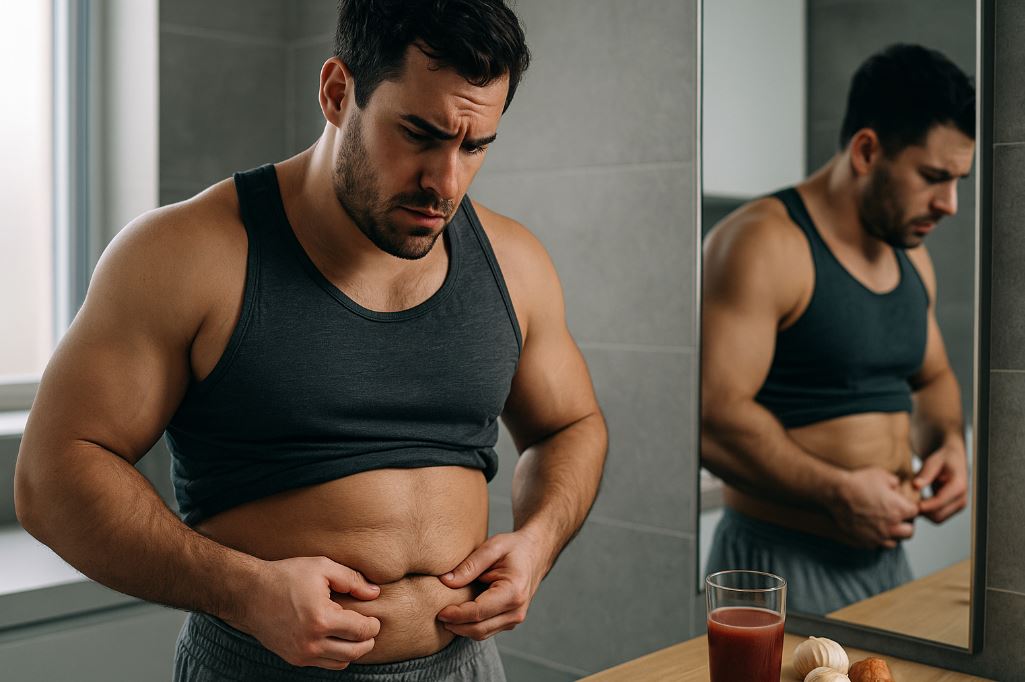
Dirty bulking, on the other hand, involves eating as much as possible, often at the expense of food quality. While weight gain happens quickly, much of it is fat.
- Uncontrolled caloric intake
- Frequent fast food, pizza, sugary snacks
- Rapid scale weight gain — but poor body composition
- More challenging transition into the cutting phase due to excess fat
Side-by-Side Comparison
To better understand how these two approaches differ in practice, the table below provides a clear side-by-side comparison of clean bulking and dirty bulking in bodybuilding — highlighting their main nutritional, physiological, and practical differences.
| Aspect | Clean Bulking | Dirty Bulking |
|---|---|---|
| Calorie Control | +10–20% surplus | Unlimited surplus |
| Food Quality | Whole, nutrient-dense | Processed, calorie-dense |
| Fat Gain | Minimal | Significant |
| Hormonal Health | Stable insulin/testosterone | Fluctuating, possible inflammation |
| Best For | Lean, long-term progress | Rapid size gain (short term) |
How to Calculate Your Calorie Surplus for Bulking
The foundation of any successful bulking plan is knowing how many calories your body needs.
Bulking Calorie Calculator — Step 1 & Step 2
Step 1 — Calculate Maintenance Calories (TDEE)
BMR (Mifflin–St Jeor, male): BMR = (10 × weight [kg]) + (6.25 × height [cm]) − (5 × age) + 5
TDEE: TDEE = BMR × Activity Factor
Example athlete: 25 yrs, 80 kg, 178 cm, trains 5×/week (activity factor ≈ 1.6)
BMR = (10×80) + (6.25×178) − (5×25) + 5 = 1792.5 kcal/day
TDEE = 1792.5 × 1.6 = ≈ 2868 kcal/day
Step 2 — Add a Clean Bulking Surplus
For lean gains, use a +10–15% surplus (advanced lifters) or up to +20% (beginners/fast metabolisms).
Surplus calories: Daily Target = TDEE × (1.10 to 1.15)
Using TDEE ≈ 2868 kcal:
10% surplus → 2868 × 1.10 = ≈ 3155 kcal/day
15% surplus → 2868 × 1.15 = ≈ 3300 kcal/day
Chosen target for this guide: ≈ 3300 kcal/day (moderate clean bulk)
Coach’s tip: If weekly weight gain exceeds 0.25–0.5 kg, reduce intake by 150–200 kcal. If you’re not gaining for 2 weeks, add 100–150 kcal.
If calculating all these numbers manually feels complicated or time-consuming, don’t worry — we’ve made it easier for you. You can use our Bulking Calculator to instantly determine the exact number of calories your body needs each day to gain muscle mass efficiently and safely.
Macronutrient Breakdown for Optimal Bulking
A well-balanced macronutrient ratio ensures that your calorie surplus is directed toward muscle growth rather than fat storage. For clean bulking, most athletes thrive on a distribution of approximately 50% carbohydrates, 25–30% protein, and 20–25% fat — though slight adjustments can be made based on individual metabolism and training demands.
Each macronutrient provides a specific amount of energy per gram:
- Protein: 4 kcal per gram
- Carbohydrates: 4 kcal per gram
- Fats: 9 kcal per gram
When translated into daily targets, this ratio provides enough energy for intense resistance training, adequate recovery, and lean tissue growth — without excessive fat accumulation.
| Macronutrient | Target | Function |
|---|---|---|
| Protein | 1.8–2.2 g/kg → ~160 g/day | Muscle repair & growth |
| Carbohydrates | 5–6 g/kg → ~400–450 g/day | Energy, glycogen storage |
| Fats | 0.8–1 g/kg → ~70–80 g/day | Hormone production & recovery |
This equals roughly 3300 kcal/day for our 80 kg athlete. Adjustments should be made based on individual metabolism, training intensity, and body composition goals.
Sample 3-Day Bodybuilding Bulking Meal Plan
The following 3-day clean bulking meal plan is designed for our example athlete — a 25-year-old male, 80 kg (176 lb), 178 cm (5’10”), training 5 days per week with moderate to high intensity.
His daily calorie target, based on a 15% surplus, is around 3,300 kcal (see the calculation above).
This plan provides a realistic framework that you can easily adjust up or down depending on your own body weight, training volume, and metabolism.
Day 1 – Upper-Body Workout Day
| Meal | Food | Calories |
|---|---|---|
| Breakfast | 100 g oats, one banana, 30 g whey, 15 g peanut butter | 550 |
| Snack | Greek yogurt (200 g) + handful of almonds | 300 |
| Lunch | 150 g chicken breast, 150 g rice, 1 tbsp olive oil, spinach | 650 |
| Pre-Workout | 1 apple + 1 slice whole-grain bread + 30 g peanut butter | 350 |
| Post-Workout | Whey shake (40 g) + 2 rice cakes + 1 banana | 300 |
| Dinner | 150 g salmon, 200 g potatoes, steamed broccoli | 600 |
| Total | ≈ 3300 kcal |
Day 2 – Leg Day (Higher Carbs)
| Meal | Food | Calories |
|---|---|---|
| Breakfast | 2 whole eggs + 5 egg whites, 100 g oats, 1 tbsp honey | 600 |
| Snack | 2 slices whole-grain toast + avocado + turkey breast | 350 |
| Lunch | 200 g lean beef, 200 g rice, green beans | 700 |
| Pre-Workout | Smoothie: whey, oats, banana, milk | 400 |
| Post-Workout | 1 cup rice pudding + 40 g whey | 350 |
| Dinner | 150 g cod, 200 g sweet potato, olive oil drizzle | 500 |
| Total | ≈ 3400 kcal |
Day 3 – Rest or Active Recovery
| Meal | Food | Calories |
|---|---|---|
| Breakfast | 3 whole eggs + 2 egg whites, two slices of whole-grain bread | 450 |
| Snack | Greek yogurt + berries + walnuts | 350 |
| Lunch | 150 g chicken breast, 100 g quinoa, and vegetables | 550 |
| Snack | Protein bar + 1 apple | 250 |
| Dinner | 150 g salmon, 150 g brown rice, and vegetables | 600 |
| Before Bed | Cottage cheese (150 g) + 1 tsp honey | 200 |
| Total | ≈ 2900 kcal |
👉 Slight calorie reduction on rest days helps maintain lean gains.
Foods to Eat & Foods to Avoid During Bulking
When you’re in a bulking phase, not all calories are created equal. The quality of your food choices can dramatically influence how much of your weight gain becomes muscle — and how much ends up as fat. The goal is to fuel growth, not just eat more.
Foods to Eat (Clean Bulking Staples)
Focus on nutrient-dense, minimally processed foods that deliver steady energy, essential amino acids, and micronutrients.
- Lean Proteins: chicken breast, turkey, egg whites, lean beef, fish (salmon, tuna, cod), Greek yogurt, cottage cheese
- Complex Carbohydrates: brown rice, oats, quinoa, sweet potatoes, whole-grain pasta, lentils, beans
- Healthy Fats: avocado, olive oil, nuts (almonds, walnuts, cashews), seeds (chia, flax, pumpkin), natural peanut butter
- Vegetables: broccoli, spinach, kale, zucchini, peppers, green beans
- Fruits: bananas, berries, apples, oranges, pineapple, kiwi
- Beverages: water, green tea, black coffee, homemade protein shakes
💡 These foods support a clean, controlled bulk by providing sustained energy, stable blood sugar, and optimal nutrient absorption.
Foods to Avoid (Dirty Bulking Traps)
These foods may help you hit your calorie target faster — but at the cost of excess fat gain, inflammation, and sluggish recovery.
- Highly Processed Junk Foods: fast food, deep-fried meals, pizza, chips, pastries
- Sugary Snacks and Drinks: candy, soda, sweetened cereals, desserts, commercial smoothies
- Excessive Saturated Fats: processed meats (sausages, bacon), butter, heavy cream
- Refined Carbs: white bread, white rice (in excess), bakery products, sugary breakfast bars
- Alcohol: even moderate amounts impair muscle recovery and reduce testosterone levels
💡 Occasional indulgence won’t ruin your bulk — but consistency in food quality separates lean gains from unnecessary fat gain.
How Long Should a Bulking Phase Last?
A typical bulking phase lasts 8–16 weeks for beginners and up to 6 months for advanced bodybuilders. The duration depends on training experience, metabolism, and goals.
- Beginners: gain muscle quickly; shorter phases (8–10 weeks) work well.
- Intermediates/Advanced: may need longer cycles with smaller surpluses.
- Ideal rate of gain: 0.25–0.5 kg per week.
If weight increases faster, reduce calories by 150–200 kcal. Excessive fat gain will only make your next cutting phase harder.
Common Mistakes During Bulking (and How to Avoid Them)
Even the most dedicated athletes can derail their progress during a bulking phase by making some surprisingly common mistakes. Understanding these pitfalls—and knowing how to avoid them—can make the difference between building lean mass and just getting soft.
- Overeating and the “more is better” mindset
Many lifters assume that if a small calorie surplus builds muscle, a massive surplus must build it faster. Unfortunately, the body has a limited capacity for muscle protein synthesis. The remaining excess calories are stored as fat. Aim for a moderate, controlled surplus (10–20%) and monitor your weight weekly. - Ignoring macronutrient balance
Not all calories are created equal. Consuming too much fat or too few proteins can hinder muscle growth and accelerate fat gain. Maintain a macro split of roughly 50% carbs, 25–30% protein, and 20–25% fat, and prioritize nutrient-dense foods rather than empty calories. - Neglecting cardiovascular training
Many bodybuilders fear cardio during bulking, thinking it will “kill their gains.” In reality, light to moderate cardio enhances recovery, improves nutrient delivery, and keeps body fat in check. Two short sessions per week are often enough to maintain cardiovascular health without compromising growth. - Failing to track progress
Progress isn’t just about the mirror. Weigh yourself once a week, measure your body fat percentage, and log your gym strength numbers. These metrics help you distinguish between muscle and fat gain, allowing for timely diet adjustments. - Adopting a ‘dirty bulking’ mentality
Using bulking as an excuse to eat unlimited junk food might give temporary size, but it also leads to excess fat, insulin resistance, and poor energy levels. Dirty bulking often forces a more extended and harsher cutting phase later on. Instead, treat bulking like a science—clean foods, structured eating, and long-term consistency win every time.
Coach’s Note: Lessons from Years of Bulking Phases
As a coach and kinesiology doctor, I’ve guided hundreds of clients through successful bulking phases. The biggest difference between success and frustration isn’t genetics — it’s discipline and tracking.
Clients who approached bulking with a scientific mindset — measuring intake, weighing themselves weekly, adjusting macros — gained quality muscle with minimal fat. Those who treated bulking as “permission to eat everything” often gained more belly fat than biceps.
The goal isn’t just to gain weight — it’s to gain lean tissue. Your body will thank you later when you transition to cutting with a clean, well-defined physique rather than months of damage control.
Conclusion: Build Smart, Not Just Big
Bulking in bodybuilding is not about eating endlessly — it’s about strategic eating to fuel growth. A successful bulk requires precision, patience, and a focus on nutrient quality.
By maintaining a moderate calorie surplus, balancing your macros, and sticking to a clean bulking approach, you’ll build muscle efficiently without sabotaging your definition.
Supplements can help, but they’ll never replace consistent training, sleep, and proper food. Build your muscle the smart way — because in bodybuilding, the real progress happens when you master the basics.
Key Takeaways
- Bulking in bodybuilding means controlled calorie surplus aimed at lean muscle gain.
- Clean bulking prioritizes nutrient-dense foods and moderate calorie increase; dirty bulking leads to unnecessary fat gain.
- Ideal surplus: 10–20% above maintenance, with 1.8–2.2 g protein/kg body weight.
- Track progress weekly — weight gain of 0.25–0.5 kg per week is optimal.
- Discipline and consistency matter more than fast results. Build muscle smart — not sloppy.
What exactly does “bulking” mean in bodybuilding?
Bulking in bodybuilding refers to a planned period of eating in a calorie surplus to support muscle growth, strength, and performance. It’s the opposite of cutting — the phase when athletes reduce calories to lower body fat while maintaining muscle mass.
How do I know how many calories I need for bulking?
First, calculate your maintenance calories (TDEE), then add 10–20% more. For example, if your TDEE is 2800 kcal, start with 3100–3300 kcal per day. Adjust weekly based on your weight and body composition changes.
Is it possible to bulk without gaining fat?
Not entirely, but with clean bulking and a small calorie surplus, fat gain can be minimized. Tracking macros, training hard, and focusing on nutrient quality help ensure most of your gains come from muscle.
What’s the difference between clean bulking and dirty bulking?
Clean bulking uses whole, nutrient-dense foods and a controlled surplus for steady muscle growth. Dirty bulking ignores food quality and often leads to rapid fat gain. Clean bulking is slower — but far more sustainable.
How long should a bulking phase last?
For beginners, 8–12 weeks is a good start; for experienced bodybuilders, bulking can last 4–6 months. The longer the bulk, the slower the rate of gain should be to maintain a leaner physique.
How fast should I gain weight during bulking?
Aim for 0.25–0.5 kg (0.5–1 lb) per week. Faster gains usually indicate excess fat accumulation rather than muscle. Monitor weekly changes and adjust calories as needed.
What are the best foods for clean bulking?
Lean proteins (chicken, fish, eggs, Greek yogurt), complex carbs (rice, oats, potatoes, quinoa), and healthy fats (avocado, nuts, olive oil) are bulking staples. Include vegetables and fruit for fiber and micronutrients.
Should I do cardio during a bulking phase?
Yes — moderate cardio supports cardiovascular health, improves nutrient delivery, and helps control fat gain. Two to three light sessions per week are ideal during bulking.
Is supplementation necessary during bulking?
Not necessarily, but whey protein, creatine monohydrate, and omega-3s can help optimize results. Supplements are optional — consistent nutrition and training matter more.
When should I transition from bulking to cutting?
If body fat exceeds 15–18% for men or 25% for women, or if strength gains plateau, it’s time to shift into a cutting phase. A gradual transition prevents muscle loss and keeps metabolism stable.
