



🍑 Introduction
If you’ve landed here, you’re ready to sculpt stronger, shapelier glutes without unwanted bulk. A glute-focused strength training plan for women zeroes in on the powerhouse muscles of your hips—gluteus maximus, medius, and minimus—building firmness, functionality, and confidence. As a fitness and yoga coach with over a decade of experience, I’ve guided hundreds of women through targeted glute programs, and I can’t wait to share the blueprint that consistently delivers rounder, more powerful behinds.
🧠 Glute Anatomy & Function: The Foundation of a Glute-Focused Strength Training Plan for Women
Before loading barbells, let’s understand the stars of the show:
- Gluteus Maximus
- Role: Hip extension and external rotation (think standing up, rising from a seated position).
- Why train it? It’s the largest glute, responsible for the lifted, sculpted look.
- Gluteus Medius
- Role: Hip abduction and pelvic stabilization (keeps hips level when you stand on one leg).
- Why train it? Strong medius prevents knee collapse and improves single-leg balance.
- Gluteus Minimus
- Role: Assists the gluteus medius in abduction and internal rotation.
- Why train it? It fine-tunes shape and supports hip health.
Personal note: When I first cued “feel the side of your hip” in a squat, my clients’ glute medius engagement skyrocketed—proof that mind–muscle connection is vital in any glute-focused strength training plan for women.
✅ Benefits of Targeted Glute Training
- Enhanced Athletic Performance
- Powerful glutes propel sprints, jumps, and lifts.
- Injury Prevention
- Stabilized hips and knees reduce the risk of strains and back pain.
- Aesthetic Transformation
- Rounder, lifted glutes fill out leggings and dresses with confidence.
- Functional Strength
- Every day tasks—climbing stairs, lifting heavy objects—become easier.
- Postural Improvement
- Strong glutes support pelvic alignment and spine health.

🎯 Key Principles for Glute Hypertrophy
- Progressive Overload
- Gradually increase weight or reps by 5–10% every 1–2 weeks.
- Mind–Muscle Connection
- Visualize and squeeze your glutes at each rep’s peak.
- Volume & Frequency
- Aim for 12–20 total glute sets weekly, split over 3–4 sessions.
- Tempo Control
- 2s concentric (lift), 3–4s eccentric (lower) phases maximize time under tension.
- Exercise Variation
Coach’s insight: Consistency with these principles transforms a routine into a powerful glute-focused strength training plan for women—it’s not magic, it’s methodical effort.
Give your daily shake a purpose — these vegan protein powders for women combine taste, purity, and performance to help you feel strong and energized every day.
Discover Top Vegan Picks🏋️♀️ Core Glute Exercises & How to Do Them
Below are six foundational movements. Each description includes setup, execution cues, and SEO-friendly context for a “glute-focused strength training plan for women.”
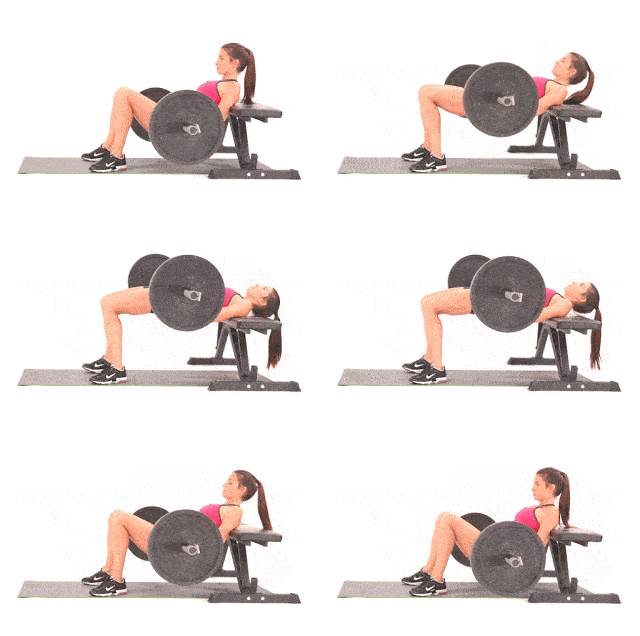
1. Barbell Hip Thrust (3–4 × 8–12)
- Setup: Sit with your upper back against a bench, barbell resting on hips (pad for comfort).
- Execution: Drive through heels to lift hips until torso and thighs align; squeeze glutes for 2s at the top, then lower with control.
- Why it’s vital: Hip thrusts deliver maximal glute activation—essential for any serious glute-focused strength training plan for women.

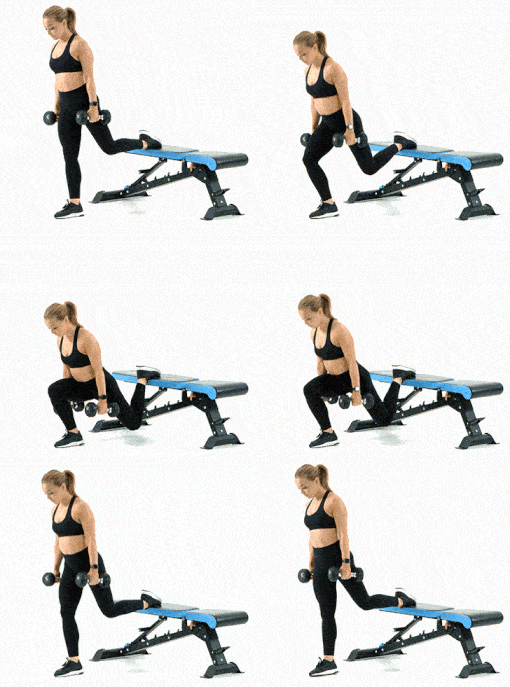
2. Bulgarian Split Squat (3 × 10–12 per leg)
- Setup: Stand a couple of feet from a bench, place your rear foot on it, and your front foot firmly planted. Hold dumbbells at your sides.
- Execution: Lower front thigh until parallel to the floor, keeping the torso upright; press through the front heel to return.
- Glute target: Deep stretch and contraction on each side enhance unilateral strength and balance.

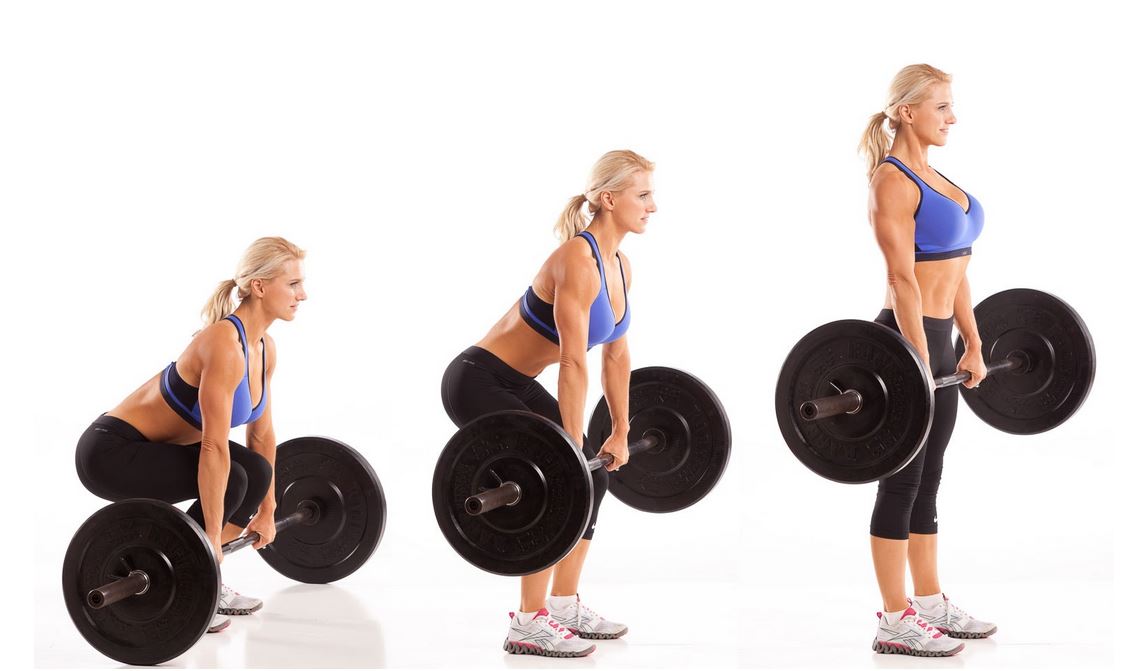
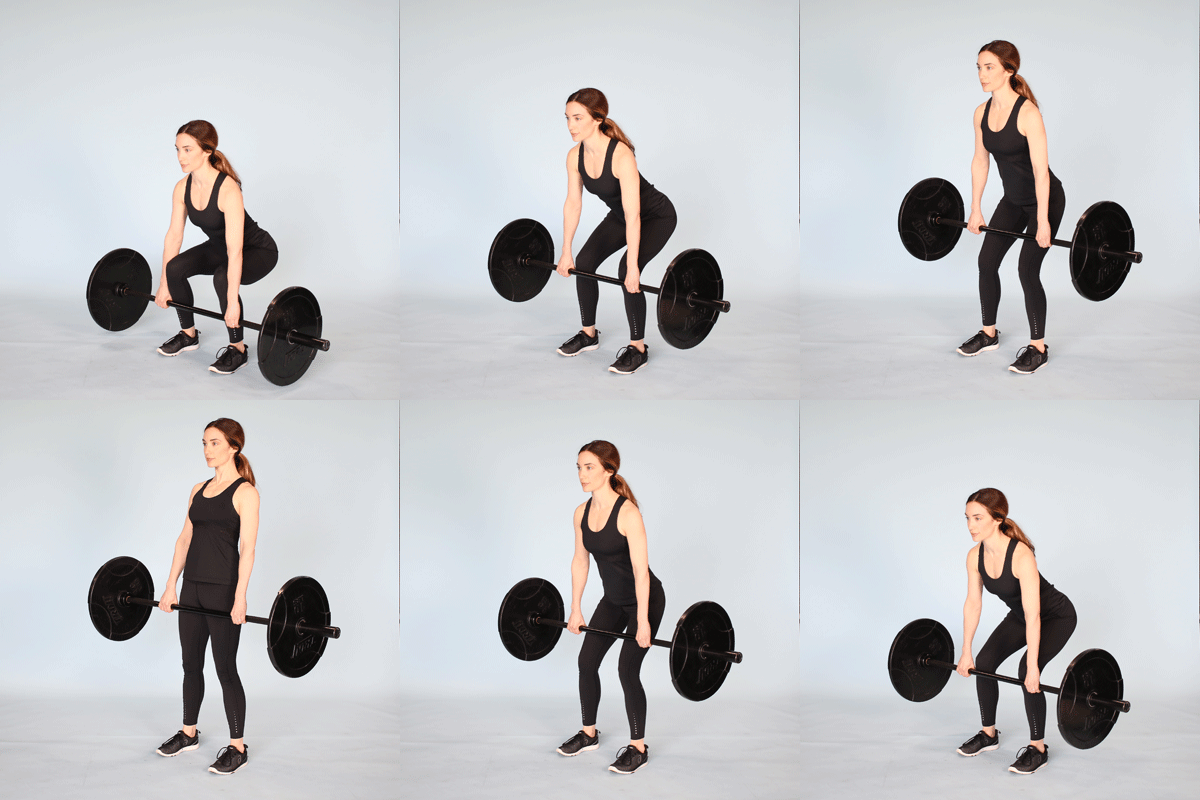
3. Traditional Deadlift (3 × 8–10)
- Setup: Stand with feet hip-width apart, barbell over midfoot. Hinge at the hips and slightly bend your knees to grip the bar just outside your legs. Keep your spine neutral and chest up.
- Execution: Drive through your heels to lift the bar by extending hips and knees simultaneously. Stand tall at the top, then lower the bar with control by reversing the movement.
- Glute focus: Strongly engages gluteus maximus during hip extension, making it a foundational lift for overall posterior chain development.
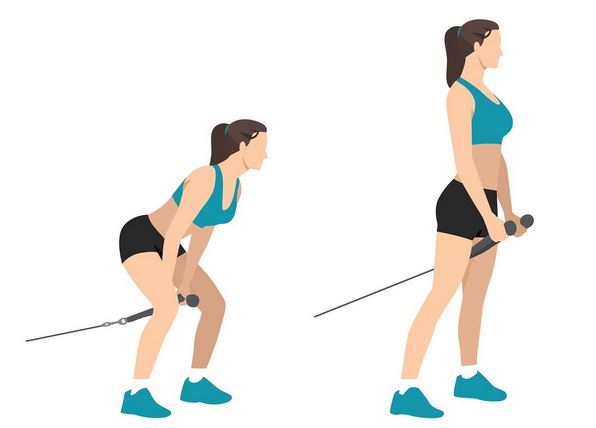
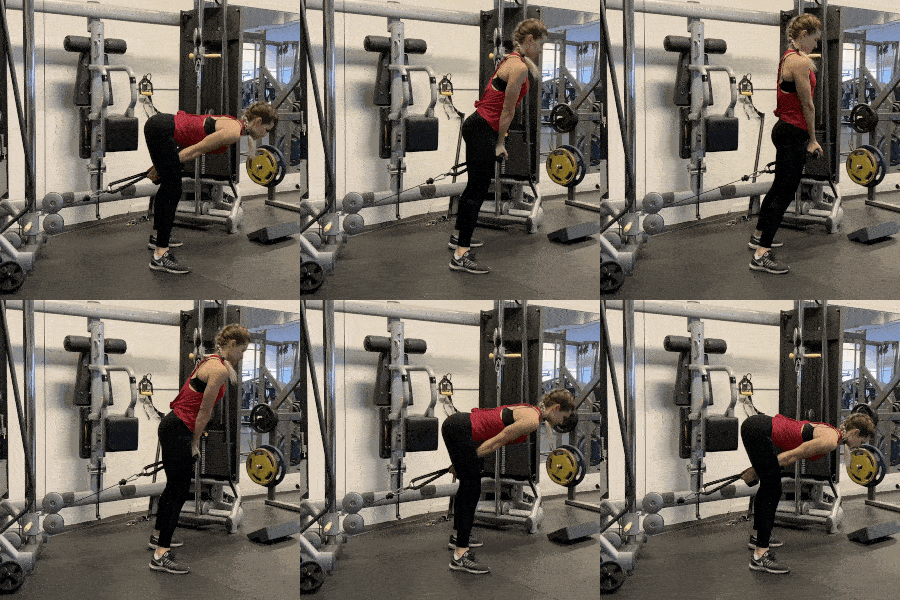
4. Cable Pull-Through (3 × 12–15)
- Setup: Face away from a low-pulley cable with rope attachment between legs.
- Execution: Hinge hips back, letting rope pull you forward; thrust hips to stand, squeezing glutes, then hinge back again.
- Advantage: Continuous tension through the movement, great for refining glute engagement and complementing hip thrusts.
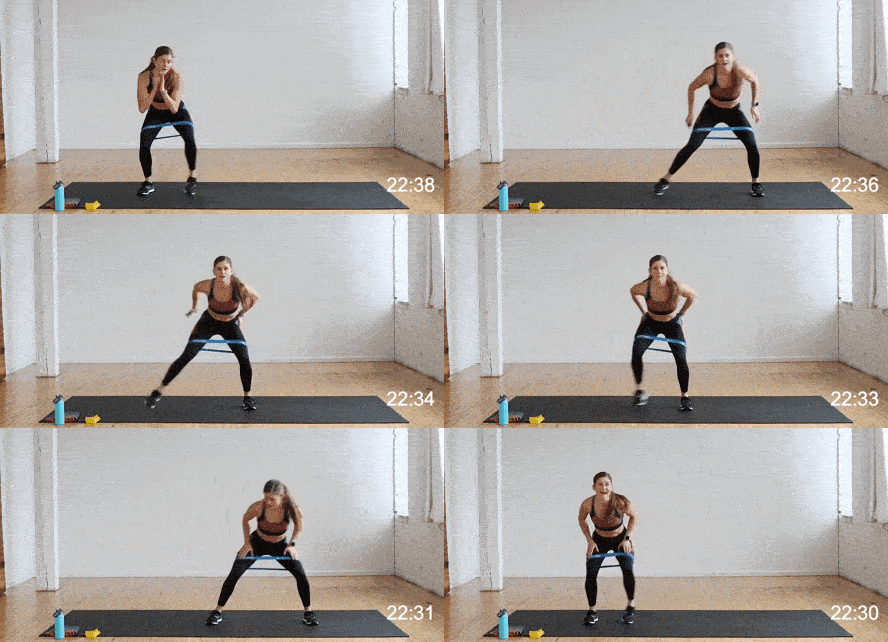
5. Banded Lateral Walk (3 × 20 steps)
- Setup: Place mini-band above knees, stand in a slight squat.
- Execution: Step side to side, maintaining band tension and an upright torso.
- Glute focus: Targets gluteus medius—crucial for hip stability and shaping the side curve.

6. Glute Bridge (3 × 15)
- Setup: Lie supine, knees bent, feet flat; optional dumbbell on hips.
- Execution: Lift hips into bridge, squeeze glutes hard, hold 1–2s, then lower slowly.
- Why include it: A beginner-friendly move that primes glutes and reinforces posterior chain activation in any glute-focused strength training plan for women.


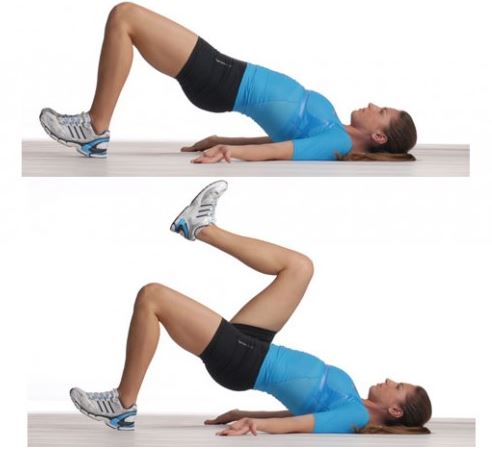
7. Glute Bridge March (3 × 10/leg)
- Setup: Lie on your back with knees bent, feet flat on the floor, arms at your sides. Engage your core and lift your hips into a glute bridge.
- Execution: While keeping hips elevated and stable, lift one knee toward your chest, then lower and alternate legs as if marching.
- Glute focus: Activates gluteus maximus and gluteus medius while challenging hip stability and core control.
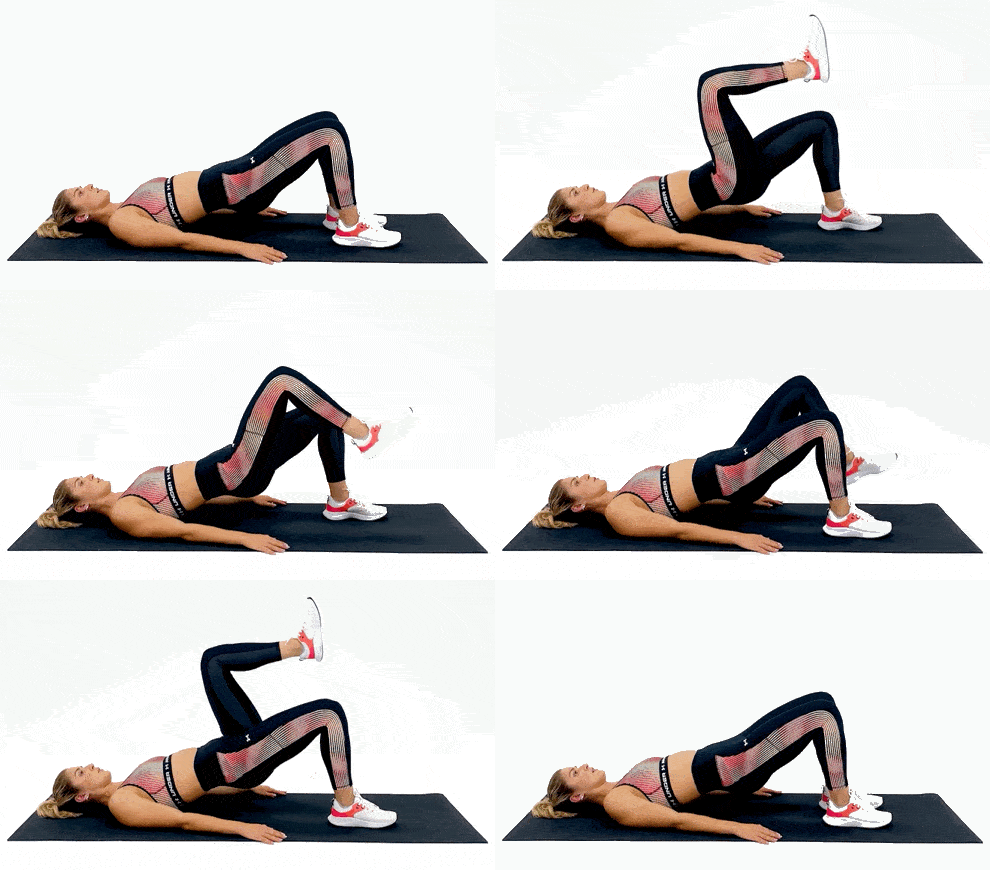
Tip: Incorporate a 2–3s pause at the top of each rep—this micro-peak squeeze accelerates muscle fiber recruitment and growth.
📅 Sample 4-Week Glute-Focused Strength Training Plan for Women
Customize this template based on equipment and fitness level. The plan ensures balanced volume and progressive overload.
Weeks 1–2: Foundation Phase
Frequency: 3 sessions/week (e.g., Mon/Wed/Fri)
| Day | Exercises (Sets × Reps) |
|---|---|
| Day 1 | Barbell Hip Thrust: 3×8 Bulgarian Split Squat: 3×10/leg Glute Bridge: 3×15 |
| Day 2 | Traditional Deadlift: 3×8 Cable Pull-Through: 3×12 Banded Lateral Walk: 3×20 |
| Day 3 | Barbell Hip Thrust: 3×10 Bulgarian Split Squat: 3×12/leg Glute Bridge: 3×15 |
Clean Energy for Every Woman’s Workout
Fuel your training with clean, research-backed pre-workout supplements made for women — no artificial dyes, fillers, or unnecessary stimulants.
See the Cleanest Women’s FormulasWeeks 3–4: Intensity & Variation
Frequency: 4 sessions/week (upper/lower split)
| Day | Exercises (Sets × Reps) |
|---|---|
| Upper 1 | Seated Row: 3×12 Overhead Press: 3×12 Banded Pull-Apart: 3×20 |
| Lower 1 | Barbell Hip Thrust: 4×8 Traditional Deadlift: 3×10 Glute Bridge March: 3×12 |
| Upper 2 | Chest-Supported Row: 3×12 Incline Dumbbell Press: 3×12 Side Plank: 3×30s/side |
| Lower 2 | Bulgarian Split Squat: 3×12/leg Cable Pull-Through: 3×15 Banded Lateral Walk: 3×20 |
Coach’s challenge: In Week 4, add a superset finisher on one lower day: Romanian Deadlift → Banded Lateral Walk (no rest) for 3 rounds.
🍎 Nutrition & Supplementation
Your glute-focused strength training plan for women thrives on the right fuel:
- Protein: 1.6–2.2 g/kg body weight (e.g., 70 kg → 112–154 g/day). Opt for lean meats, dairy, legumes, or plant-based protein.
- Complex Carbohydrates: Sweet potatoes, quinoa, oats for sustained energy and glycogen replenishment.
- Healthy Fats: Avocado, nuts, olive oil to support hormone production and joint health.
- Supplements:
- Creatine Monohydrate (3–5 g/day) to boost power output and cell hydration.
- BCAAs during workouts for recovery support.
- Omega-3 Fatty Acids (1,000 mg EPA/DHA) to reduce inflammation.
Personal note: I always tell clients, “Your plate is the canvas—paint it with vibrant, whole foods to support every rep.”
🔄 Recovery & Mobility
Recovery is the unsung hero of any glute-focused strength training plan for women:
- Sleep: Aim for 7–9 hours/night—deep sleep is when growth hormone peaks.
- Foam Rolling & Stretching: 5–10 minutes post-workout, focusing on glutes, hamstrings, and hip flexors.
- Active Rest Days: Light yoga, walking, or swimming to promote circulation and reduce stiffness.
Coach’s insight: I schedule mobility flows twice a week, and my clients report deeper squats and less residual tightness.
📈 Tracking Progress & Adjustments
- Training Journal: Log weights, sets, reps, and perceived effort.
- Measurements & Photos: Track hip and waist circumference every 2–3 weeks.
- Strength Milestones: Record when you increase load or master a new variation.
- Plateau Solutions: If progress stalls, tweak tempo, add sets, or introduce novel glute exercises.
🏁 Conclusion
A glute-focused strength training plan for women is a powerful strategy to build rounder, stronger glutes—and a stronger you. Remember:
- Prioritize form: Perfect technique maximizes glute activation and minimizes injury risk.
- Stay consistent: Track your progress and honor your recovery.
- Fuel wisely: Whole foods and targeted supplementation elevate every workout.
I’ve seen women transform not just their bodies but their confidence through dedicated glute training. Now it’s your turn—commit to the plan, trust the process, and watch your glutes and self-assurance rise to new heights!
How many times per week should I train my glutes?
Aim for three to four dedicated glute sessions each week, allowing at least one rest or active recovery day between intense workouts.
Do I need heavy weights to grow my glutes?
You can start with moderate weights and focus on higher volume and strict form. Gradually increase resistance as your strength improves.
Can bodyweight exercises alone build my glutes?
Bodyweight movements like glute bridges and lunges can be effective, but adding resistance bands, dumbbells, or barbells will accelerate muscle growth.
What’s the best exercise for overall glute development?
Hip thrusts consistently rank highest for glute activation, though combining them with squats, deadlifts, and lunges provides the most balanced development.
Should I do cardio on days I train glutes?
Light to moderate cardio such as walking or cycling is fine and can aid recovery, but avoid long, intense cardio sessions on the same day as a heavy glute workout.
How long before I see results?
Noticeable improvements in strength and shape often appear within six to eight weeks of consistent training and proper nutrition.
Is muscle soreness necessary for growth?
Soreness can indicate that you provided a new stimulus, but lack of soreness does not mean you aren’t making progress. Focus on steady increases in load or volume.
Can I work my glutes every day?
Daily direct glute work is not recommended. Muscles need time to repair and grow, so schedule at least one full rest day between intense sessions.
What should I eat to support glute growth?
Prioritize protein intake, aim for complex carbohydrates around workouts, and include healthy fats. Staying hydrated is also essential for recovery.
How do I know when to increase the weight?
How do I know when to increase the weight?
