


Most people never think about how important the muscles on the front of the lower leg really are — until they start experiencing shin pain, ankle instability, or excessive lower-leg fatigue during running and training.
Can you imagine training calves for years while completely ignoring the opposite side of the lower leg?
That is exactly what many people do.
The heel walk exercise is one of the simplest and most accessible ways to strengthen the tibialis anterior and improve lower-leg muscular balance. Unlike machine-based tibialis exercises, heel walks require no equipment and can be performed almost anywhere.
As a coach, I especially like heel walks because they combine shin strengthening with coordination, balance, and movement control. They are simple, but surprisingly challenging when performed properly.
What Is the Heel Walk Exercise?
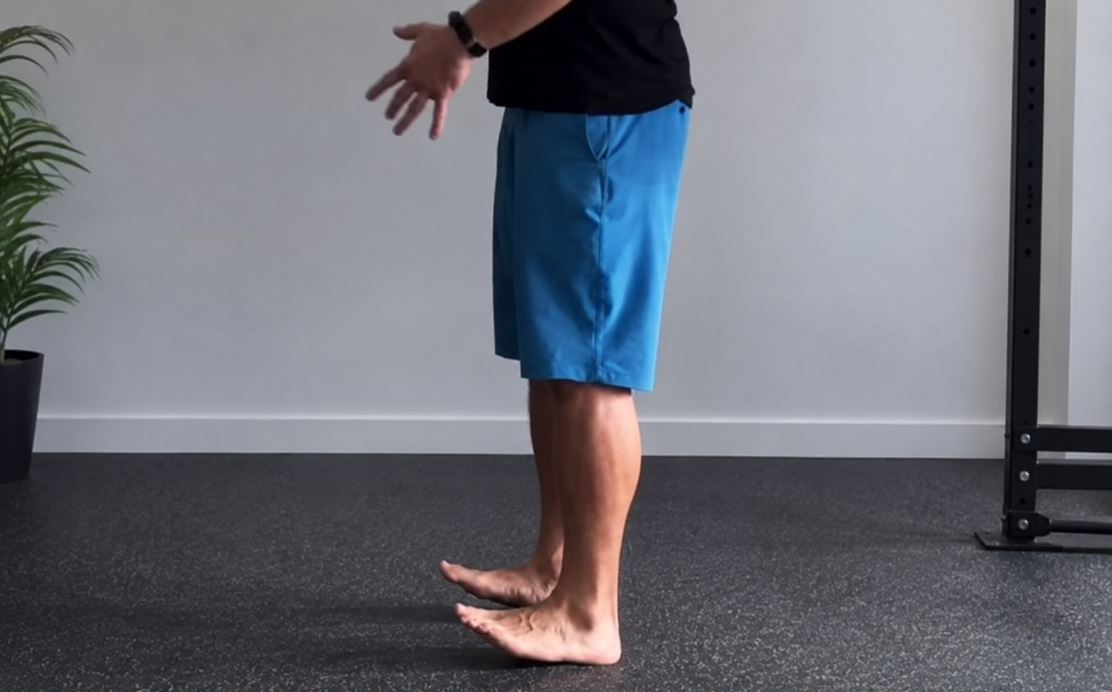
The heel walk exercise is a bodyweight movement that targets the tibialis anterior by forcing you to walk while keeping your toes elevated off the ground.
The movement primarily involves ankle dorsiflexion — pulling the foot upward toward the shin.
During heel walks:
- The heels remain in contact with the floor
- The toes stay elevated
- The tibialis anterior remains under constant tension
Unlike stationary tibialis raises, heel walks add:
- Dynamic movement
- Coordination demands
- Balance challenges
- Continuous muscular tension
This makes the exercise useful not only for shin strength but also for lower-leg endurance and movement control.
Benefits of Heel Walks
Strengthens the Tibialis Anterior
Heel walks directly target the tibialis anterior through continuous dorsiflexion.
Most people quickly realize how weak these muscles actually are after just one set.
Requires No Equipment
One of the biggest advantages of heel walks is simplicity.
No:
- Dumbbells
- Machines
- Resistance bands
- Gym setup
You only need enough walking space.
May Help Improve Lower-Leg Balance
Many people develop dominant calves while neglecting the muscles on the front of the shin.
Heel walks help address this imbalance.
Useful for Warm-Ups and Corrective Training
As a coach, I often use heel walks during:
- Athletic warm-ups
- Movement prep
- Corrective exercise circuits
- Lower-leg activation routines
The movement is simple enough for beginners but still useful for athletes.
Can Support Ankle Stability
The tibialis anterior plays an important role in ankle control during walking, running, and landing mechanics.
Stronger shin muscles may contribute to improved lower-leg stability.
How to Perform Heel Walks Properly
Although the exercise looks easy, proper execution matters.
Step 1 — Stand Upright
Stand tall with:
- Feet hip-width apart
- Chest up
- Core lightly engaged
Keep your posture natural and balanced.
Step 2 — Lift the Toes Off the Ground
Pull your toes upward toward your shins as high as possible.
Your heels should remain planted firmly on the floor.
This dorsiflexed position should stay active throughout the movement.
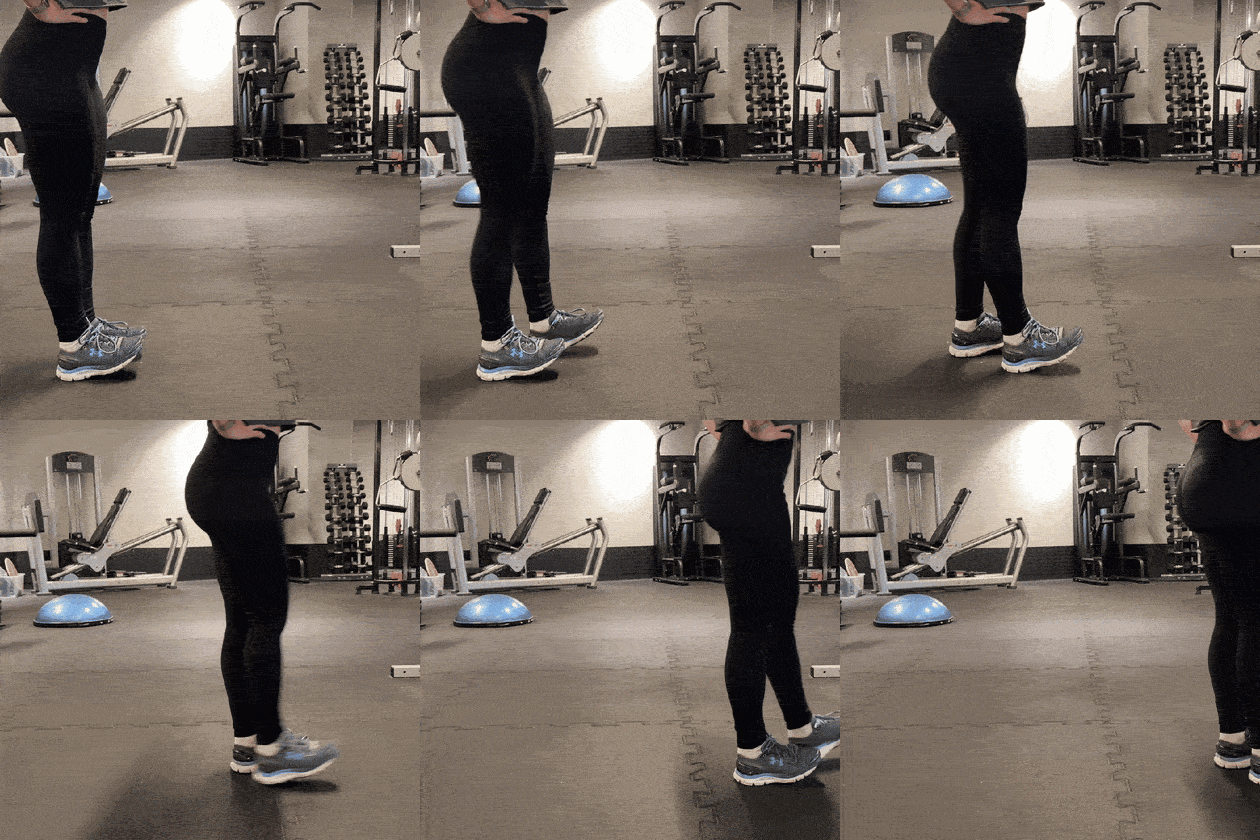
Step 3 — Begin Walking on Your Heels
Start walking forward slowly while keeping:
- The toes elevated
- The shin muscles engaged
- The heels are contacting the floor
Take controlled, deliberate steps.
As a coach, I often notice people unconsciously letting their toes drop as fatigue builds. Try to maintain constant dorsiflexion tension throughout the entire set.
Step 4 — Maintain Control and Posture
Avoid:
- Leaning excessively backward
- Swinging the legs
- Rushing the movement
Stay controlled and keep tension on the tibialis anterior.
Common Mistakes
Letting the Toes Drop
This is by far the most common mistake.
Once the toes relax downward, the tibialis anterior loses tension, and the exercise becomes much less effective.
Walking Too Fast
Fast steps usually reduce muscular tension and movement control.
Slower walks generally work better.
Leaning Back Excessively
Some people compensate by leaning backward dramatically.
Keep your posture relatively upright instead.
Taking Huge Steps
Large exaggerated steps often disrupt balance and reduce exercise quality.
Shorter controlled steps usually work best.
Coach’s Tips for Better Tibialis Activation
Focus on Continuous Tension
The goal is not simply walking on the heels.
The real goal is maintaining dorsiflexion tension during every step.
Start With Short Distances
Most beginners fatigue quickly.
A good starting point is:
- 10–20 meters
- Controlled pace
- Multiple rounds
Use Heel Walks as a Warm-Up
Heel walks work very well before:
- Running
- Sprinting
- Lower-body workouts
- Athletic training sessions
Don’t Underestimate the Burn
This exercise often looks ridiculously easy until you actually try it.
Then the shin muscles start burning surprisingly fast.
Muscles Worked
Primary Muscle Worked
Secondary Muscles Involved
- Extensor hallucis longus
- Extensor digitorum longus
- Ankle stabilizers
- Foot stabilizers
The tibialis anterior remains the primary muscle responsible for maintaining dorsiflexion throughout the movement.
Best Rep Range & Programming
Heel walks are usually programmed by:
- Distance
- Time
- Continuous movement
Recommended Distance
- Beginners: 10–20 meters
- Intermediate: 20–40 meters
- Advanced: 40–60+ meters
Recommended Sets
- 2–4 rounds
Training Frequency
- 2–5 times weekly
Because the movement uses body weight and relatively low loading, recovery is usually fast.
Heel Walk Variations
Backward Heel Walk
Perform the movement backward for an additional coordination and balance challenge.
Weighted Heel Walk
Hold light dumbbells or wear a weighted vest for greater difficulty.
Single-Leg Heel Walk
An advanced variation emphasizing unilateral stability and control.
Slow Tempo Heel Walk
Walk extremely slowly to maximize time under tension on the tibialis anterior.
Who Should Do Heel Walks?
Heel walks may be especially useful for:
- Runners
- Sprinters
- Athletes
- Beginners
- People with weak shin muscles
- Individuals seeking better ankle stability
- Those wanting more balanced lower-leg development
They are also practical for home workouts because no equipment is required.
Alternative Exercises (Substitutes)
- Wall Tibialis Raise
- Standing Tibialis Raise
- Cable Tibialis Raise
- Weight Plate Toe Raise
- Single-Leg Wall Tibialis Raise
- Resistance Band Tibialis Raise
- Seated Dumbbell Tibialis Raise
- Tib Bar Raise
- DARD Tibialis Raise
If you want to discover the best shin exercises for stronger lower legs, better ankle stability, and improved athletic performance, check out our complete guide to the best tibialis anterior exercises.
Final Thoughts About Heel Walks
The heel-walk exercise is one of the simplest ways to strengthen the tibialis anterior and improve lower-leg muscle balance. It requires no equipment, minimal setup, and can easily be added to warm-ups, corrective routines, or lower-body workouts.
As a coach, I think heel walks are often underestimated because they look too simple to be effective. But once you actually perform them correctly for a meaningful distance, the tibialis anterior quickly reminds you that it has been neglected for years.
And honestly, that is exactly why exercises like this matter.
Frequently Asked Questions
Can heel walks be used as part of a warm-up?
Yes. Heel walks work well in a lower-body or running warm-up because they activate the tibialis anterior and prepare the ankles for movement before more demanding exercises.
Are heel walks better on a hard floor or soft surface?
A firm, flat surface is usually best because it gives better feedback and makes it easier to keep the toes elevated. Very soft surfaces may reduce control and make the exercise less precise.
Should heel walks cause pain in the shins?
No. A muscular burn is normal, but sharp pain, stabbing discomfort, or worsening shin pain is not. If pain appears, reduce volume or stop and reassess your training load.
Can heel walks help improve foot drop?
Heel walks may help strengthen ankle dorsiflexion, but foot drop can have neurological or medical causes. Anyone with true foot drop should consult a qualified healthcare professional before relying on exercise alone.
Are heel walks useful for older adults?
They can be useful for improving ankle control and lower-leg awareness, but older adults should perform them near a wall or stable support if balance is a concern.
Can I do heel walks every day?
Some people can tolerate daily heel walks in small amounts, especially as a warm-up drill. However, beginners should start with 2–3 sessions per week to avoid excessive shin soreness.
Why do my toes drop as I get tired?
This usually happens because the tibialis anterior is fatiguing and can no longer maintain strong dorsiflexion. Shorter sets with better control are more effective than forcing long sets with poor form.
Are heel walks enough to fully train the tibialis anterior?
Heel walks are a great starting point, but they are not the only option. For complete tibialis anterior development, combine them with exercises such as wall tibialis raises, resistance band tibialis raises, or weighted tibialis raises.
