

Introduction
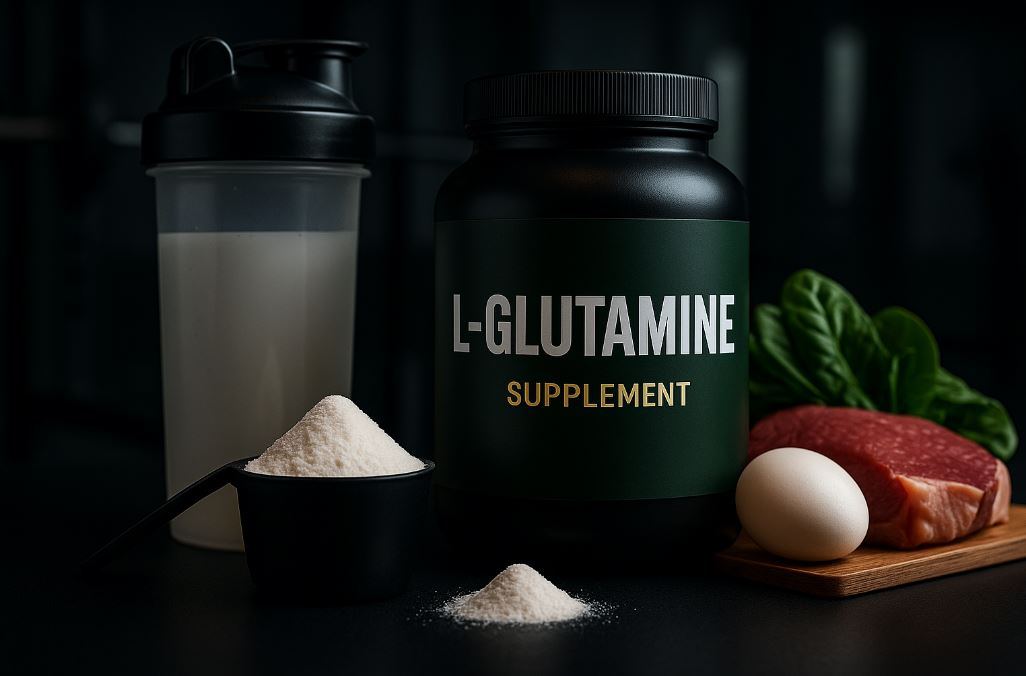
When it comes to bodybuilding supplements, the L-Glutamine supplement often sparks debate. Marketed as the “king of amino acids,” it is widely used for recovery, immune support, and muscle preservation. But does the science back up these bold claims, and which athletes actually benefit the most?
As a strength coach and doctor of kinesiology, I’ve seen L-Glutamine supplements make a big difference for athletes under heavy training loads or in a calorie deficit. At the same time, I’ve also seen many bodybuilders take it expecting creatine-like muscle gains and walk away disappointed. Let’s break down what glutamine really does.
What is L-Glutamine?
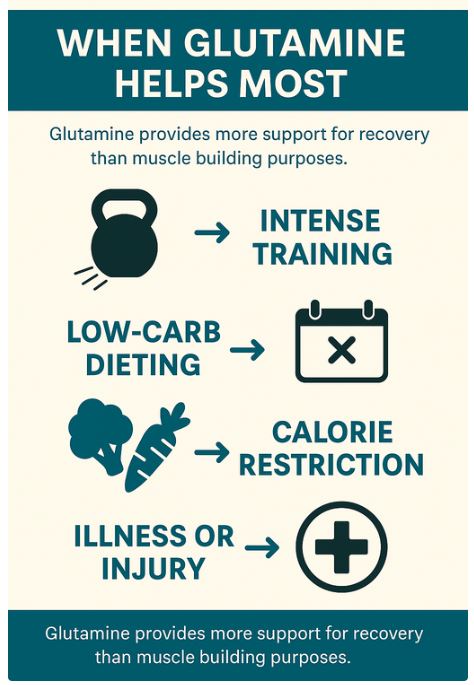
L-Glutamine is the most abundant amino acid in the human body, accounting for over 60% of free amino acids in muscle tissue. While it’s classified as “non-essential,” under conditions of extreme training stress, illness, or dieting, it becomes “conditionally essential” because the body’s demand exceeds natural production.
You can find glutamine in protein-rich foods like beef, eggs, milk, and certain vegetables; however, the amounts may not be sufficient to replenish depleted levels after intense workouts. That’s why the L-Glutamine supplement became so popular in bodybuilding circles.

Foods Rich in L-Glutamine
While the L-Glutamine supplement is the easiest way to boost levels, many natural foods also contain this amino acid. Including these in your diet can help support recovery and overall health. Below is a table of common foods and their approximate glutamine content per 100 grams.
| Food Source | L-Glutamine Content (approx. g per 100g) | Notes |
|---|---|---|
| Beef (lean) | 1.2 – 1.6 g | Excellent source of protein and glutamine |
| Chicken breast | 1.0 – 1.2 g | Popular bodybuilding staple |
| Eggs (whole) | 0.6 – 0.7 g | Easily digestible protein source |
| Milk (cow’s) | 0.3 – 0.4 g | Provides both casein and whey proteins |
| Cottage cheese | 0.6 – 0.8 g | Rich in slow-digesting protein |
| Tofu | 0.5 – 0.6 g | Plant-based option, suitable for vegetarians |
| Spinach (raw) | 0.3 – 0.4 g | Contains small amounts, but nutrient-dense overall |
| White rice (cooked) | 0.2 – 0.3 g | Provides carbs with trace glutamine |
| Corn | 0.4 – 0.5 g | Often overlooked source of amino acids |
| Cabbage (raw) | 0.3 – 0.4 g | Low-calorie option with modest glutamine |
Although many foods naturally contain glutamine, the amounts are relatively modest. To reach the typical supplemental dose of 5–10 grams per day, you’d have to eat impractically large portions of beef, chicken, or dairy. For example, getting just 5 grams of glutamine from food alone could require over half a kilo of lean meat in a single day.

How Does the L-Glutamine Supplement Work? – Mechanism of Action
Every workout shifts the balance between muscle protein synthesis and muscle protein breakdown. The L-Glutamine supplement supports the recovery side of this balance by replenishing glutamine levels in muscle and blood.
Glutamine influences muscle recovery through several mechanisms:
- It fuels rapidly dividing cells, especially in the immune system and gut lining.
- It supports glycogen replenishment by enhancing glucose uptake.
- It helps maintain cell hydration and nitrogen balance, keeping muscles in an anabolic state.
Proven Benefits of L-Glutamine Supplement in Bodybuilding and Sports
Athletes don’t just want promises — they want real, measurable results. The L-Glutamine supplement has been studied extensively, and while it isn’t a “magic muscle builder,” its unique benefits make it a valuable tool in specific training contexts.
#1 Faster Recovery and Reduced Muscle Soreness
After intense resistance or endurance training, glutamine levels in muscle can drop by more than 50%. This depletion slows recovery, increases soreness, and leaves you vulnerable to overtraining. Supplementation helps restore glutamine levels, which can reduce muscle damage markers (such as creatine kinase) and speed up recovery between sessions. For bodybuilders who lift 5–6 times per week, this can mean higher training consistency and less downtime.
#2 Supports Muscle Preservation During Caloric Deficit
When you’re dieting for a competition or cutting body fat, your body often enters a catabolic state. The L-Glutamine supplement supports nitrogen balance and reduces muscle protein breakdown, acting as an “insurance policy” for your hard-earned muscle. This is why many coaches recommend it during contest prep or aggressive fat-loss phases. However, the evidence here is mixed: some studies show no lean mass preservation.
#3 Boosts Immune Function
Hard training weakens immune defenses, which is why athletes sometimes get sick more often during heavy cycles. Glutamine fuels immune cells like lymphocytes and macrophages, helping them function properly. Research indicates that supplementing with glutamine can reduce the frequency of infections in athletes under extreme training stress, thereby maintaining their health and enabling them to stay on track with their programs.
#4 Improves Gut Health and Nutrient Absorption
The gut lining uses glutamine as a primary fuel source. A strong gut barrier prevents “leaky gut” and ensures optimal nutrient absorption. For athletes, this translates to better digestion, more efficient protein utilization, and fewer stomach problems when consuming high-protein diets. This benefit is often overlooked, but in practice, it makes a massive difference in how well your body actually uses the food you eat.
#5 May Support Glycogen Replenishment
Some studies suggest that pairing glutamine with carbohydrates speeds up glycogen resynthesis after exhaustive exercise. This makes the L-Glutamine supplement particularly useful for athletes who train more than once per day, as it helps restore energy stores more quickly. Although this effect isn’t as strong as with creatine or carbohydrate loading, it adds an extra layer of recovery support.
#6 Potential Role in Endurance Performance
While glutamine is most popular in bodybuilding, endurance athletes also benefit from its protective effects. Reducing muscle breakdown during prolonged activity and supporting immune health helps athletes sustain higher training volumes. Several studies have even shown improvements in VO₂ max, suggesting a potential role in enhancing aerobic capacity.
💪 Recommended Read
Want to speed up recovery and protect your muscles after intense training? Check out our latest expert guide: The 10 Best Glutamine Supplements for Men (2025 Edition) — discover which formulas truly deliver on purity, performance, and recovery.
Potential Side Effects and Risks
The L-Glutamine supplement is considered one of the safest amino acid supplements, but that doesn’t mean every athlete should take it without consideration. Research confirms high tolerability, even at doses of 20–30 grams per day, yet some side effects or limitations may still appear.
#1 Digestive Discomfort
Some users experience bloating, stomach cramps, or diarrhea when taking large single doses (usually above 10 grams at once). The solution is simple: split your daily intake into smaller servings of 5 grams to improve tolerance.
#2 Limited Effectiveness for Some Athletes
Not everyone will notice significant changes. Well-trained bodybuilders who already recover quickly and consume a sufficient amount of protein may find that the L-Glutamine supplement adds little to their performance. This doesn’t make it useless, but it does make it more situational.
#3 Medical Considerations
Individuals with kidney or liver disease should avoid glutamine without medical supervision. Because these organs are heavily involved in amino acid metabolism, pre-existing conditions can complicate the administration of supplements.
#4 Safety in Pregnancy and Breastfeeding
Long-term studies on pregnant or breastfeeding women are lacking. For safety, glutamine should only be used in these cases if approved by a physician.
#5 Financial “Risk”
The biggest drawback isn’t health-related but practical. If your supplement budget is tight, money may be better spent on whey protein and creatine first. Glutamine can be helpful to, but it’s not the most cost-effective supplement for building muscle.
Myth-busting: Concerns about glutamine damaging the kidneys or liver are unfounded in healthy individuals. These fears come from confusion with high-protein diets in patients who already have organ issues.
Recommended Dosage and How to Take L-Glutamine
For most athletes, 5 grams of L-glutamine supplement, taken once or twice per day, is sufficient. In cases of extreme training stress or dieting, some protocols go up to 10–15 grams per day, split into multiple servings.
Best timing:
- Post-workout to support recovery
- Before bed to reduce overnight muscle breakdown
- During illness or heavy training blocks for immune support
Consistency matters more than exact timing — steady intake is key.
Sample glutamine protocols:
| Scenario | Suggested Dosage | Timing Recommendations | Notes |
|---|---|---|---|
| Cutting / Contest Prep | 5–10 g per day | Split into 2–3 doses (post-workout + before bed) | Helps preserve lean mass and reduce soreness in a calorie deficit |
| Illness / Immune Stress | 10–15 g per day | Morning, mid-day, and evening with meals | Supports immune cells and recovery during high stress or illness |
| Endurance Athletes | 5–10 g per day | Immediately post-training + before long sessions | Aids glycogen replenishment and reduces muscle breakdown |
| Two-a-Day Training Sessions | 10–15 g per day | 5 g after first session + 5–10 g post-second session | Speeds up recovery and prepares the body for the second workout |
| Older Athletes (40+) | 5 g per day | Once daily, preferably in the evening | Supports recovery and helps counter age-related muscle loss |
Forms of L-Glutamine Supplements
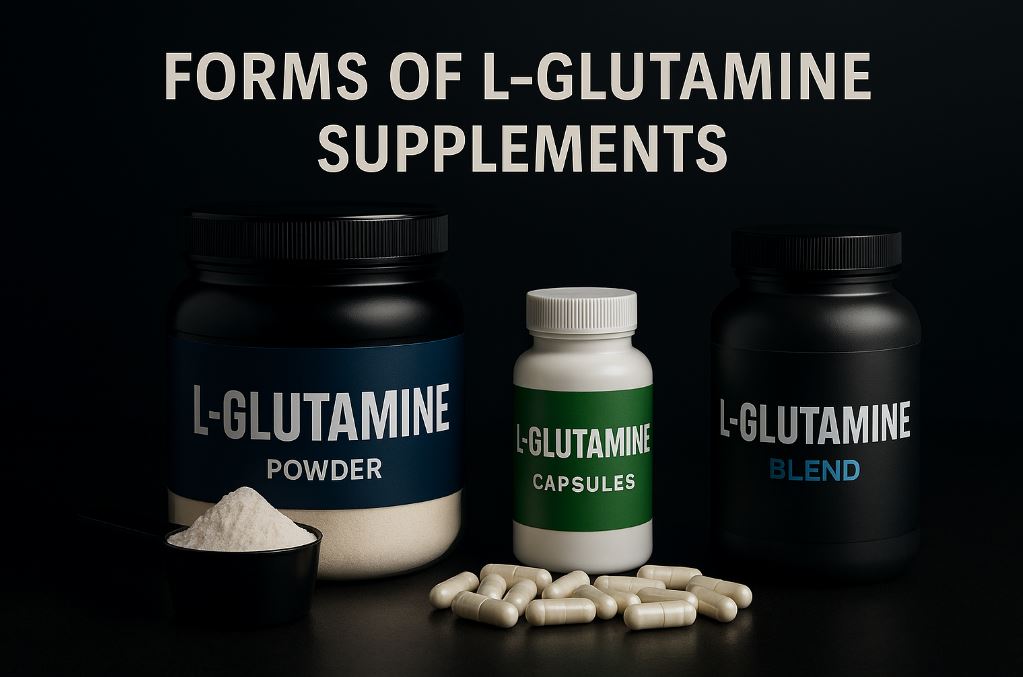
The L-Glutamine supplement comes in several forms, each with its own advantages and drawbacks. Choosing the right one depends on your lifestyle, budget, and training demands.
#1 Powder
The most common and cost-effective form of L-Glutamine. It dissolves easily in water, juice, or a post-workout shake, and allows for flexible dosing — you can measure 5 grams, 10 grams, or more depending on your needs. Most athletes prefer powder because it provides the best value for money, especially when bought in bulk. The downside is that you always need a scoop and shaker on hand, which may be less convenient for travel.
#2 Capsules or Tablets
Capsules offer maximum convenience. You can take them anywhere without worrying about mixing or measuring. This makes them a good option for athletes who travel frequently or don’t want to carry powders. However, capsules usually come in smaller doses (e.g., 500 mg to 1 g per capsule), which means you may need to swallow several capsules to reach an effective dose. They also tend to be more expensive than powder on a per-gram basis.
#3 Blends and Formulas
Glutamine is sometimes included in multi-ingredient products like BCAA blends, EAA formulas, or advanced recovery supplements. While this can be practical, it makes controlling your exact glutamine dosage harder. These blends are best suited for athletes who want an “all-in-one” recovery solution, but anyone who wants to fine-tune intake should consider standalone glutamine.
Does It Make Sense to Take L-Glutamine If You Already Use Whey Protein?
One of the biggest debates in bodybuilding nutrition is whether the L-Glutamine supplement is even necessary when most high-quality whey protein powders already contain plenty of glutamine. A typical 30-gram serving of whey protein isolate or hydrolysate provides around 4–5 grams of glutamine and glutamic acid, which is close to the standard supplemental dose.
So why do some athletes still add extra L-Glutamine? The answer comes down to context and specific needs:
#1 Training Volume and Recovery Demands
During periods of highly intense training or two-a-day sessions, muscle glutamine levels can drop more than whey alone can restore. In these cases, supplemental glutamine provides an additional buffer, supporting faster recovery and reduced soreness.
#2 Flexibility in Dosing Without Extra Protein
Sometimes athletes want the benefits of glutamine without the calories or full protein load that comes with whey. For example, taking glutamine before bed, during fasting, or in the middle of the day makes sense when you don’t necessarily want a complete protein shake.
#3 Immune and Gut Health Support
Glutamine’s role goes beyond muscle. It serves as a critical fuel for immune cells and the gut lining. Athletes under heavy stress, or those with digestive issues, may see improvements with higher glutamine intake that goes beyond what’s found in whey.
Best Supplement Stacks with L-Glutamine
The L-Glutamine supplement works best when combined with other proven supplements. On its own, it primarily supports recovery and immunity, but stacking it with complementary products can maximize its effectiveness and create a more complete bodybuilding strategy.
#1 L-Glutamine + Whey Protein
This is the most popular and practical stack. Whey provides the essential amino acids and direct building blocks for muscle growth, while glutamine ensures that those amino acids are protected from being broken down in a catabolic state. This combination is particularly effective during fat-loss phases or contest prep, when preserving lean muscle becomes a priority.
#2 L-Glutamine + Creatine
Creatine enhances strength, power output, and training volume, while glutamine accelerates recovery and reduces muscle breakdown. Together, they cover both sides of performance: one improves what you can do in the gym, the other ensures you recover quickly so you can do it again. This makes it an excellent year-round stack for bodybuilders and strength athletes.
#3 L-Glutamine + BCAAs
BCAAs directly stimulate muscle protein synthesis through the action of leucine, while glutamine supports immune health and helps reduce training-induced muscle damage. The two work hand in hand during aggressive dieting or when training multiple times a day. This combination helps preserve muscle and reduces overall fatigue, making it a wise choice for athletes who push their limits.
#4 L-Glutamine + Carbohydrates
Adding glutamine to a post-workout carbohydrate source may speed up glycogen replenishment. For endurance athletes or bodybuilders who do high-volume training, this stack helps restore energy levels more efficiently, shortening the recovery window between sessions.
Who Should Use L-Glutamine?
The L-Glutamine supplement isn’t for everyone, but it can be highly beneficial in certain situations:
- Bodybuilders in a calorie deficit
- Athletes who want glutamine without the calories or full protein load that comes with whey
- Athletes with high training volume or frequency
- Older athletes with slower recovery
- Individuals with frequent colds or weak immunity
- Those with digestive issues or poor nutrient absorption
Who Should Avoid L-Glutamine?
While generally safe, glutamine supplementation may not be necessary for everyone:
- Casual gym-goers who train 2–3 times per week
- Athletes expecting “creatine-like” muscle gains
- People with kidney or liver disease without medical clearance
- Pregnant or breastfeeding women (due to lack of long-term studies)
L-Glutamine vs Other Supplements
It’s essential to compare the L-Glutamine supplement to other popular bodybuilding aids:
- L-Glutamine vs. BCAAs: BCAAs directly stimulate protein synthesis, while glutamine supports recovery and immune function. Both have their place, but BCAAs are more anabolic.
- L-Glutamine vs EAAs: EAAs are more complete for muscle growth, yet glutamine offers unique benefits for the gut and immune system.
- L-Glutamine vs Creatine: Creatine boosts performance and strength, while glutamine helps preserve health and recovery under stress.
Is L-Glutamine Worth the Money?
The L-Glutamine supplement is affordable compared to many niche products, but the question is whether it provides a sufficient return on investment. For most athletes, whey protein and creatine remain the most superior options in terms of muscle-building and performance benefits. These supplements directly increase protein synthesis or strength output, whereas glutamine primarily supports recovery, immunity, and gut health.
That doesn’t make glutamine useless — it just means it’s a situational supplement. If you’re training hard while dieting, dealing with frequent illness, or struggling with recovery, glutamine may justify its cost. However, if your goal is to build raw muscle and strength, your money is better spent on whey protein, creatine, or BCAAs.
Conclusion About L-Glutamine Supplements
So, does the L-Glutamine supplement deserve a spot in your bodybuilding stack? The answer depends on your training context. For athletes cutting weight, training at high volumes, or needing immune support, glutamine can be a valuable ally. For casual lifters, the impact will be much less noticeable.
It’s also worth remembering that glutamine is primarily a recovery supplement, not a powerhouse anabolic like creatine, whey protein, or BCAAs. Those supplements directly boost strength, hypertrophy, or muscle protein synthesis, while glutamine plays more of a supporting role — keeping your immune system strong, your gut healthy, and your recovery consistent.
