


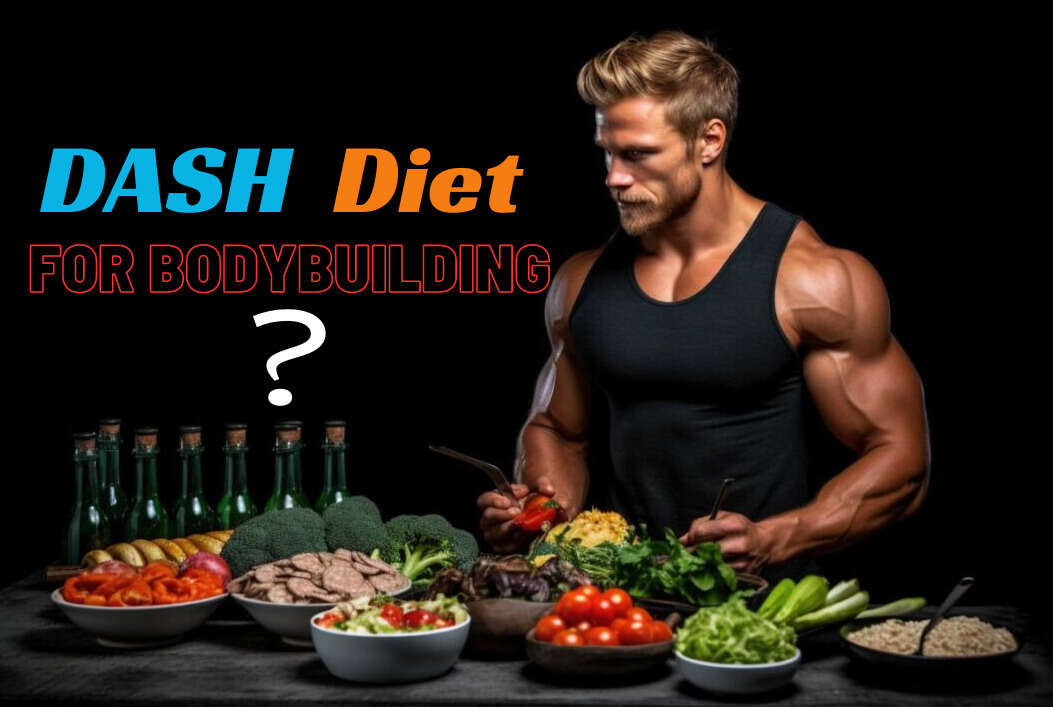
If you’re an athlete looking to optimize your performance while maintaining peak body health, then the DASH diet is an excellent option to consider. This well-researched dietary strategy is more than a diet, it’s a lifestyle change aimed at lowering blood pressure, reducing the risk for cardiovascular disease, and, for athletes specifically, enhancing physical performance. But what exactly is the DASH diet, and how can it help you as an athlete?
The DASH (Dietary Approaches to Stop Hypertension) diet is essentially a dietary pattern that promotes the consumption of nutrient-rich foods and limits sodium intake. It encourages a high intake of fruits, vegetables, whole grains, lean meats, and low-fat dairy, along with healthy amounts of nuts and legumes.
This guide will delve into the principles of the DASH diet, explore its potential benefits for athletes, and provide practical tips on how to incorporate this dietary strategy into your everyday routine. Whether you’re a professional athlete or a weekend warrior, understanding and adopting the DASH diet can make a significant positive impact on your athletic performance and overall well-being.
The DASH Diet Food List: What to Eat and What to Avoid?
When it comes to the DASH diet, there’s a clear list of foods to include and those to moderate or avoid. Primarily, the DASH diet emphasizes whole grains, fruits, vegetables, and lean meats.
Foods to Eat
- Whole grains: Foods such as whole wheat bread, brown rice, oats, and quinoa are highly recommended. These provide fiber and various essential nutrients.
- Fruits and Vegetables: These should make up a large portion of your diet. They offer a range of vitamins, fiber, and antioxidants.
- Lean Proteins: Lean meats, poultry, and fish are fantastic sources of protein. Vegetarian alternatives like tofu and legumes are also encouraged.
- Dairy: Low-fat or non-fat dairy products are part of the DASH diet. They contribute healthy amounts of calcium and protein.
Foods to Moderate
- Sodium: The DASH diet prioritizes low-sodium foods and encourages you to minimize your salt intake. The standard DASH diet recommends an intake of 2,300 milligrams of sodium per day, while the lower sodium DASH diet recommends an intake of 1,500 milligrams per day.
- Sugar: Limit intake of sugars, especially processed sugars. Choose fruits as a natural alternative for sweetness when you can.
Foods to Avoid
- High-fat Foods: Limit high-fat meats and full-fat dairy products as they can raise your blood pressure.
- Saturated & Trans Fats: Foods high in these fats, such as fried food and processed snacks, should be minimized as they can increase your risk of heart disease.
- Refined grains: like white rice and white bread lack the fiber and key nutrients, leading to quick spikes and crashes in blood sugar and energy levels.
- Red meats: which are higher in saturated fats.
In the end, adopting the DASH diet means embracing nutritious food choices and moderating or avoiding those that can harm your health. It’s all about balance.

Pros and Cons of the DASH Diet
The DASH diet has both advantages and disadvantages that are worth considering. Let’s delve into them.
Pros of the DASH Diet:
- Healthful Eating: At its core, the DASH diet is all about making sensible, balanced food choices – rich in whole grains, fruits, vegetables, and lean proteins. This encourages a more nutritious diet.
- Blood Pressure Control: The DASH diet was specifically designed to combat hypertension. It emphasizes foods that are high in fiber, potassium, magnesium, and calcium, while limiting sodium intake. This makes it a compelling choice for those striving for healthier blood pressure levels.
- Weight Loss: Given that it promotes portion control and emphasizes nutritious foods that are often lower in calories, the DASH diet can also facilitate weight loss or maintenance.
Cons of the DASH Diet:
- Complexity: Planning meals and shopping for specific food types might seem daunting at first and require a commitment. The DASH diet encourages a variety of foods and can be complex for those used to a more straightforward diet.
- Cost: Unfortunately, healthier foods, especially fresh produce, and lean proteins, can be more costly than processed foods. The upfront cost of these healthier options could potentially be a roadblock for some.
- Social Gatherings: Followed strictly, the DASH diet can make eating out or joining in social gatherings challenging due to its limitations on sodium and certain food types.
In conclusion, while the DASH diet provides several health benefits, potential challenges exist. It’s recommended to consider these factors and possibly consult with a healthcare provider or a nutritionist before embarking on the DASH diet, ensuring it aligns with your lifestyle and goals.
How might the DASH diet influence athletic performance?
Although the DASH diet is designed to help lower high blood pressure, it may also have benefits for athletic performance.
- The DASH diet is rich in nutrients that are essential for athletic performance. For example, it emphasizes foods that are high in potassium, magnesium, and calcium, which are all important for muscle function and hydration. This could help athletes perform at their best and recover more quickly after workouts.
- Another potential benefit of the DASH diet for athletes is its focus on whole grains. These are a great source of complex carbohydrates, which provide a steady source of energy. This could help athletes maintain their energy levels during long workouts or competitions.
- The DASH diet is rich in antioxidants from fruits and vegetables, which can help reduce inflammation and speed up recovery after intense workouts. Antioxidants also protect against oxidative stress, which can be increased in athletes due to their high level of physical activity.
- Furthermore, the DASH diet encourages the consumption of lean proteins. Proteins are essential for muscle growth and repair, which is especially important for athletes who are regularly pushing their bodies to the limits.
- The DASH diet also promotes a healthy body weight, which can be beneficial for athletes. Maintaining a healthy weight can improve athletic performance by increasing speed, agility, and endurance. It can also reduce the risk of injuries.
- The DASH diet is low in saturated fats and cholesterol, which can promote heart health. This is particularly important for athletes, as cardiovascular health directly impacts athletic performance. The diet’s focus on lean proteins also aids in muscle recovery and growth, essential aspects of athletic performance.
Limitations of the DASH diet concerning strength training and building muscles
While the DASH diet can offer numerous health benefits, it’s crucial to highlight that it may not be optimal for every athletic pursuit, particularly for those requiring significant muscle-building and strength training. Strength athletes, for instance, bodybuilders or powerlifters, often require a higher intake of proteins and calories than the DASH diet typically prescribes. The DASH diet focuses largely on reducing sodium intake and increasing consumption of fruits, vegetables, and whole grains, which might not provide optimal support for heavy strength training. It may not deliver the necessary fuel for hard, intense workouts or provide enough protein for muscle recovery and growth. Athletes may also need more sodium to replace what they lose through sweat.
To customize the DASH diet to support strength training and muscle building, athletes could increase their intake of lean proteins, such as chicken, turkey, and fish, as well as healthy fats like avocados and nuts. At the same time, they may need to monitor their sodium levels to avoid deficiencies that could impact muscle function and hydration. It’s advised that athletes consult a registered dietitian or nutritionist to tailor the diet to their specific needs. Remember, it’s about fueling your body right for your specific training goals.
So, while the DASH diet brings a lot to the table, athletes focused on strength training need to approach it critically and adapt it according to their individual nutritional requirements.
Can you build muscles while on the DASH diet?
Well, you might be curious, can you build muscles while on the DASH diet? Is this diet cut out for severe bodybuilding?
If your goal is substantial muscle gain, you might find the DASH diet challenging. Though this diet provides essential nutrients, it may not cater to the high caloric and protein needs of intense bodybuilders. In these cases, consuming additional lean proteins or protein supplements could be beneficial. The key here, as with any diet, is to tailor it to your individual needs and goals.
In a nutshell, while the DASH diet gives you the necessary nutrients for muscle health and could support moderate muscle tone improvement, it may need tweaking for serious bodybuilding needs. But remember, always consult with a nutritionist or dietitian to make sure you’re nourishing your body right for your exercise needs.
How does the DASH diet compare to other diets in terms of impact on strength training?
The DASH diet brings its unique contributions to the world of athletic diets, particularly in the context of strength training. Comparatively, it might not immediately appear as appealing as some other popular diets, given its primary focus is on reducing hypertension, rather than muscle gain. Yet, that’s not to say it cannot provide benefits.
Many athletes favor diets high in protein and low in carbohydrates, such as the Paleo or ketogenic diets, for their muscle-building value. However, the DASH diet, balancing lean proteins with a bounty of fruits, vegetables, and whole grains, offers a wider nutritional spectrum. The range of vitamins, minerals, and antioxidants found in these food groups could enhance recovery times and overall health, potentially giving an edge in long-term training outcomes.
In contrast to high-fat diets like keto, DASH promotes heart health by restricting unhealthy fats and sodium; essentials for an athlete’s cardiovascular endurance and hydration. In addition, the moderate consumption of lean proteins suggested by DASH, rather than heavy reliance, could prevent excessive strain on the kidneys, a concern often associated with high-protein diets.
All in all, the DASH diet may not yield rapid muscle gain like other strength-focused diets, but by promoting a balanced, nutritious food intake and supporting vital functions such as heart health, it helps create a solid foundation for athletic performance and well-being.
Are there any scientific studies supporting the benefits of the DASH diet on athletic performance?
While there is no specific study that directly links the DASH diet to improved athletic performance, there are numerous studies that highlight the benefits of the diet’s components on athletic performance.
- For instance, a study published in the Journal of the International Society of Sports Nutrition found that a diet rich in fruits and vegetables, similar to the DASH diet, can enhance exercise performance and recovery by reducing oxidative stress and inflammation.
- Another study in the Journal of Applied Physiology found that dietary nitrates, which are abundant in the DASH diet, can improve muscle efficiency and endurance. This is particularly beneficial for athletes as it can enhance their performance during high-intensity exercises.
- Lastly, a study in the American Journal of Clinical Nutrition suggests that the high fiber content in the DASH diet can aid in weight management and promote a healthy gut microbiome, which is increasingly recognized as important for overall health and athletic performance.
The DASH diet sample menus
Starting a new nutritional plan can be intimidating, so let’s break down a typical day on the DASH diet to show you just how achievable it is.
Breakfast:
- 1 whole-grain English muffin
- 2 tablespoons of natural peanut butter
- 1 medium-sized banana
- 1 cup of skimmed milk
Mid-Morning Snack:
- 1 medium-sized apple
- A handful of almonds
Lunch:
- Grilled chicken salad topped with a variety of vegetables like lettuce, tomatoes, cucumbers, bell peppers, and avocado
- Dressing with olive oil and vinegar
- 1 cup of low-sodium vegetable soup
Afternoon Snack:
- 1 cup of carrot and celery sticks
- 2 tablespoons of hummus
Dinner:
- Grilled salmon with lemon
- 1 cup of steamed broccoli
- Half a cup of brown rice
- Side salad with vinaigrette dressing
Evening Snack:
- 1 cup of mixed berries
- Cup of herbal tea
Remember, this is just an example. The beauty of the DASH diet is its flexibility – you can adjust your meals based on your personal preferences and nutritional needs. Always listen to your body’s signals of hunger and fullness, and don’t forget to stay hydrated throughout the day!
Transitioning into the DASH diet can be a helpful move towards a healthier lifestyle, while also potentially enhancing athletic performance and endurance. However, it’s crucial to be mindful of its limitations, particularly for bodybuilders.
The DASH diet focuses on reducing sodium intake and consuming a variety of nutrient-dense foods, which might not align inherently with the high-calorie, protein-rich diet required by bodybuilders. Certain elements of the diet may be beneficial, such as high-quality protein sources and an array of fruits and vegetables. Yet, for bodybuilders focusing on extreme muscle building, the comparative lack of emphasis on proteins, combined with lower-calorie intake, maybe a limiting factor.
While the DASH diet serves as a guide for healthier eating habits, for those intent on significant muscle gain, it’s crucial to consult with a nutritionist or dietitian. Customizing your diet according to your body’s requirements and goals could be a game-changer, enabling you to maintain a balance between health and fitness.
In conclusion, the DASH diet lays a solid foundation for a healthy lifestyle. However, it’s a reminder that not all diets are one-size-fits-all, and individual goals such as bodybuilding may require some modifications or supplementation to meet specific dietary needs. The key takeaway is that while the DASH diet can offer benefits for athletic performance and overall health, it’s essential to consider its alignment with your personal health and fitness goals.
