



Are you curious about clean eating and how it can transform your diet and health? Clean eating isn’t just a buzzword—it’s a lifestyle choice that emphasizes whole, unprocessed foods and mindful eating habits. By focusing on nutrient-dense foods and avoiding processed ingredients, clean eating promises benefits like improved energy levels, better digestion, and even weight management.
Eating clean isn’t a diet. It’s a lifestyle approach to food and its preparation, leading to an improved life—one meal at a time.
In this article, we’ll dive deep into the principles of clean eating, weigh its pros and cons, and provide you with extensive lists of suitable foods broken down into proteins, carbohydrates, and fats. You’ll also find a detailed six-day meal plan to help you get started, as well as insights into how clean eating compares to the “If It Fits Your Macros” (IIFYM) dieting strategy.
What is clean eating?
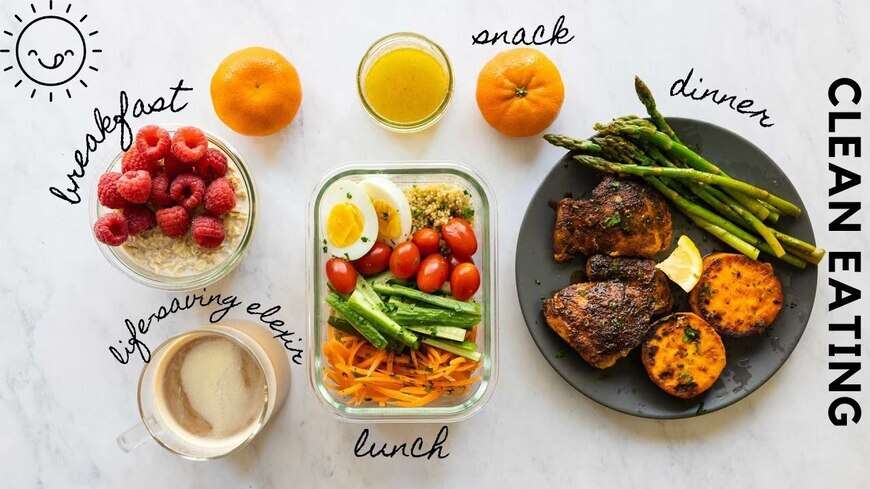
Clean eating is an approach to food where you prioritize whole, unprocessed foods like vegetables, fruits, lean proteins, and whole grains while minimizing or eliminating highly processed foods, artificial ingredients, and added sugars. The goal is to consume foods in their most natural state to enhance your overall health and well-being.
What are the core principles (rules) of clean eating?
Here are some of the core principles to guide you on your clean eating journey:
- Choose Whole Foods: Opt for foods in their most natural form, minimizing the intake of processed items.
- Choose Nutrient-Dense Foods: This ensures that you get a wide range of vitamins, minerals, and other essential nutrients from your diet, which supports overall health and well-being.
- Avoid Processed Foods: Limit foods with artificial ingredients, preservatives, and additives.
- Reduce Sugar Intake: Stay away from sugary drinks and snacks, favoring natural sweeteners like honey or maple syrup in moderation.
- Load Up on Vegetables: Incorporate a variety of fresh vegetables into every meal.
- Eat Fresh Fruits in Moderation: Consume fruits fresh and whole, rather than as juices or dried forms with added sugars.
- Consume Healthy Fats: Include sources of good fats such as avocados, nuts, seeds, and olive oil.
- Choose Lean Protein Sources: Focus on lean meats, plant-based proteins, and sustainably sourced seafood.
- Reduce Salt Intake: Use herbs and spices to flavor foods instead of relying heavily on salt.
- Be Mindful of Portion Sizes: Pay attention to serving sizes to avoid overeating and to maintain a balanced diet.
- Choose Organic and Locally Sourced Foods: Select organic and locally produced foods to ensure minimal exposure to pesticides and to support local agriculture.
- Prepare Meals at Home: This allows you to have full control over the ingredients and cooking methods used, ensuring that your meals are as clean and healthy as possible.
What are the pros and cons of a clean eating diet?
A clean eating journey comes with its own set of notable benefits and potential drawbacks that you should consider.
Pros
- Weight Management: By focusing on whole, unprocessed foods, you can better manage your weight and avoid empty calories.
- Improved Health: A diet rich in vegetables, fruits, lean proteins, and healthy fats can help prevent chronic conditions such as high blood pressure, type 2 diabetes, obesity, cardiovascular disease, and even certain cancers.
- Enhanced Nutrient Intake: Consuming a variety of whole foods ensures you get a broad spectrum of essential nutrients, including vitamins, minerals, and antioxidants.
- Better Digestion: A focus on fiber-rich foods like fruits, vegetables, and whole grains promotes gastrointestinal health and can prevent issues such as constipation.
- Sustained Energy Levels: Whole foods provide more stable energy levels compared to processed foods, which often lead to energy crashes.
Cons
- Time-Consuming: Preparing meals from scratch using whole foods can be time-intensive, which may be challenging for those with busy schedules.
- Potential for Orthorexia: An obsession with eating “clean” can lead to orthorexia, a type of eating disorder characterized by an unhealthy focus on eating in a healthy way.
- Cost: Whole, organic, or specialty foods can be more expensive, making clean eating potentially less budget-friendly.
- Limited Availability: Depending on where you live, finding fresh, whole foods might be challenging, especially in “food deserts” where grocery options are limited.
- Social Challenges: Sticking rigidly to a clean diet can be difficult in social settings, potentially leading to feelings of isolation or stress during social gatherings.

What foods are considered clean for proteins, carbohydrates, and fats?
Choosing clean foods means opting for nutritious, whole, and minimally processed ingredients. In line with the principles of clean eating, it’s essential to include a variety of proteins, carbohydrates, and fats. Below is an extensive list of suitable foods categorized by their macronutrient type:
| Proteins | Carbohydrates | Fats |
|---|---|---|
| Chicken breast | Quinoa | Avocado |
| Turkey | Sweet potatoes | Olive oil |
| Fish (salmon, cod) | Whole-wheat pasta | Nuts (almonds, walnuts) |
| Eggs | Brown rice | Seeds (chia, flax) |
| Plain Greek yogurt | Oats | Fatty fish (salmon, mackerel) |
| Beans and legumes | Whole-grain bread | Coconut oil |
| Tofu | Fresh fruits (berries, apples) | Dark chocolate (70% cocoa or higher) |
| Lean beef | Vegetables (carrots, spinach) | Natural peanut butter |
| Low-fat dairy (milk, cheese) | Legumes (chickpeas, lentils) | Butter from grass-fed cows |
| Tempeh | Buckwheat | Sunflower seeds |
| Cottage cheese | Barley | Pumpkin seeds |
| Edamame | Farro | Soybeans |
| Quark | Millet | Pine nuts |
| Pork loin | Amaranth | Macadamia nuts |
| Seitan | Spelt | Hemp seeds |
| Bison | Teff | Sesame seeds |
How does clean eating differ from the IIFYM (“If it fits your macros”) dieting strategy?
Clean eating and the IIFYM (“If it fits your macros”) dieting strategy differ significantly in their approach to food choices and dietary focus. While clean eating emphasizes the quality and wholesomeness of the foods you consume, prioritizing minimally processed, nutrient-dense options, IIFYM focuses primarily on macronutrient intake, allowing for more flexibility in food choices as long as daily macro targets for proteins, carbs, and fats are met.
With clean eating, the emphasis is on consuming real, whole foods, which means lots of fruits, vegetables, lean proteins, and healthy fats, while avoiding processed foods, refined sugars, and artificial ingredients. The goal is to nourish your body with the most natural and healthy foods possible.
In contrast, IIFYM allows for a wider variety of foods, including processed and convenience foods, as long as they fit within your specific macronutrient goals. This means that you could technically eat junk food or sweets, provided that they don’t push you over your daily limits for carbs, fats, and proteins. The main focus here is on achieving the desired balance of macronutrients rather than the quality of individual food items.
While clean eating tends to be more restrictive and focuses on long-term health benefits, IIFYM offers greater flexibility and is often used for short-term weight management or body composition goals. However, this flexibility can sometimes lead to poor food choices if not managed correctly, whereas clean eating naturally promotes nutrient-rich, healthier options.
Is a clean eating diet sustainable in the long term?
One of the primary challenges is the time investment required for meal preparation and planning. Clean eating often involves cooking from scratch and sourcing high-quality ingredients, which can be time-consuming. Additionally, the cost of organic or specialty health foods can be prohibitive for some people.
Another factor to consider is the potential for restrictive eating patterns. When taken to the extreme, the rigid guidelines of clean eating might lead to an unhealthy relationship with food, where certain foods are labeled “bad” and others “good.” This mentality can sometimes trigger eating disorders or create feelings of guilt and anxiety around food choices.
Despite these challenges, many people find that the health benefits and improvements in well-being make clean eating a worthwhile and sustainable lifestyle change. Sustainability can be improved by adopting a flexible approach, allowing for occasional indulgences, and making practical adjustments to suit individual schedules and budgets. For those committed to maintaining a healthy diet, clean eating can become a balanced, long-term strategy.
Do bodybuilders follow a clean eating diet strategy?
Many bodybuilders do follow a clean eating diet strategy. For bodybuilders, clean eating fits well with their goals of building muscle and maintaining low body fat. Clean eating emphasizes consuming high-quality, nutrient-dense foods that support muscle growth and recovery. Lean proteins, complex carbohydrates, and healthy fats form the foundation of their diet, helping them meet their macro and micronutrient needs. Additionally, avoiding processed and high-sugar foods helps maintain stable energy levels and reduces unwanted body fat, which is essential for achieving a lean, muscular physique.
Full 6-day clean eating diet plan
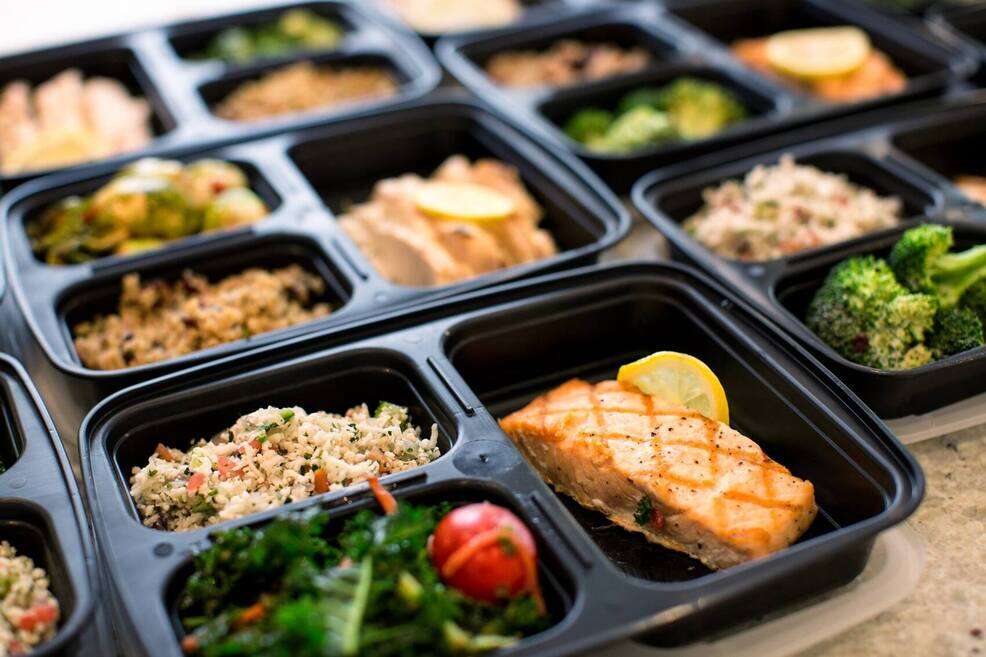
To help you get started, here’s a comprehensive 6-day meal plan designed to provide all the nutrients your body needs. This plan includes wholesome meals and snacks that embody the principles of clean eating.
| Meal | Day 1 | Day 2 | Day 3 |
|---|---|---|---|
| Breakfast | Plain Greek yogurt with mixed berries and sliced almonds | Oatmeal with banana, chia seeds, and a drizzle of honey | Scrambled eggs with spinach, tomatoes, and whole-grain toast |
| Lunch | Mixed greens with grilled chicken, avocado, cherry tomatoes, and balsamic vinaigrette | Quinoa salad with black beans, corn, bell peppers, and lime dressing | Grilled turkey breast with a side of steamed broccoli and quinoa |
| Snack | Apple slices with natural peanut butter | Carrot and cucumber slices with hummus | Almonds and a small bowl of mixed berries |
| Dinner | Grilled salmon with roasted broccoli and sweet potatoes | Baked cod with a side of asparagus and brown rice | Chicken stir-fry with a variety of vegetables and a side of cauliflower rice |
| Meal | Day 4 | Day 5 | Day 6 |
|---|---|---|---|
| Breakfast | Overnight oats with blueberries and a sprinkle of flax seeds | Smoothie made with spinach, banana, almond milk, and protein powder | Whole-grain toast with avocado and a poached egg |
| Lunch | Whole-wheat wrap with turkey, lettuce, tomato, and hummus | Brown rice bowl with edamame, carrots, cucumbers, and sesame ginger dressing | Lentil soup with a side of mixed greens salad |
| Snack | Celery sticks with almond butter | Greek yogurt with honey and a handful of walnuts | Sliced bell peppers and guacamole |
| Dinner | Grilled shrimp skewers with quinoa and a side salad | Baked chicken with Brussels sprouts and sweet potato wedges | Turkey meatballs with zucchini noodles and marinara sauce |
Check out our 12-day clean eating plan!
How to create your own clean eating diet plan?
Crafting your own clean eating diet plan can seem daunting, but don’t worry – we’ve gathered some helpful tips to get you started. The table below highlights key strategies to make your journey smoother and more enjoyable:
| Step | Description |
|---|---|
| 1. Assess Your Goals | Determine whether your primary goal is weight loss, muscle gain, or overall health improvement. Tailor your meal plan accordingly. |
| 2. Choose Whole Foods | Select unprocessed and minimally processed foods. Focus on fresh fruits, vegetables, lean proteins, whole grains, and healthy fats. |
| 3. Balance Macronutrients | Ensure your meals include a balance of proteins, carbohydrates, and fats. Adjust the proportions based on your individual needs and goals. |
| 4. Plan Meals and Snacks | Create a meal schedule that includes three main meals and two to three snacks. Plan for nutrient-dense options that fit your daily caloric intake. |
| 5. Hydrate | Incorporate plenty of water and other hydrating beverages like herbal teas. Avoid sugary drinks and limit caffeine intake. |
| 6. Prepare in Advance | Batch cook and prep ingredients ahead of time to make sticking to your meal plan easier. Store pre-portioned meals in the refrigerator or freezer. |
| 7. Keep it Flexible | While having a plan is essential, stay flexible enough to adjust based on availability and personal preferences. Allow for occasional treats in moderation. |
| 8. Monitor and Adjust | Track your progress and adjust your meal plan as needed. Listen to your body and make necessary changes to meet your goals more effectively. |
Scientific research about clean eating
The body of scientific literature supporting this way of life is vast and continues to grow, offering even more insights into its benefits and sustainability. Here are just a few examples of the extensive research available on clean eating.
| Name of Research | Authors | Conclusion |
|---|---|---|
| Dietary Guidelines for Americans (1) | U.S. Department of Agriculture (USDA) and U.S. Department of Health and Human Services (HHS) | The guidelines emphasize the consumption of whole, nutrient-dense foods, which aligns closely with the principles of clean eating. Recommendations include fruits, vegetables, lean proteins, and whole grains, limiting processed foods and sugar. |
| Association of Diet Quality with Health Outcomes in Adults: A Systematic Review of Cohort Studies (4) | Lukas Schwingshackl, Berit Bogensberger, Georg Hoffmann | This review found a significant association between high-quality diets—like those focusing on whole, unprocessed foods—and a reduced risk of chronic diseases such as cardiovascular disease, cancer, and type 2 diabetes. |
| Food Classification Systems Based on Food Processing: Significance and Implications for Policies and Actions: A Systematic Literature Review and Assessment (2) | Moubarac, JC., Parra, D.C., Cannon, G. et al. | The study suggests that eating minimally processed foods can greatly contribute to better health outcomes, including lower obesity rates and reduced incidence of chronic diseases. It supports the clean eating framework of avoiding processed and ultra-processed foods. |
| The Effects of Consuming Unprocessed vs Processed Foods on Satiety and Hunger Hormones (3) | Fardet A, Rock E | The research indicates that unprocessed foods tend to be more satiating and beneficial for regulating hunger hormones compared to processed foods, which supports the principle of clean eating to promote satiety and control weight. |
Closing Thoughts
Clean eating is more than just a dietary choice; it becomes a lifestyle that emphasizes whole, unprocessed foods and balanced nutrition. This approach can be incredibly beneficial, offering improved energy levels, better weight management, and overall well-being. However, it’s important to acknowledge that it requires dedication and a willingness to make thoughtful food choices.
I believe that adopting a clean eating diet can offer substantial health benefits, but it’s crucial to remember that flexibility is key. Striving for perfection can lead to unnecessary stress, so it’s best to aim for consistency rather than perfection. By making gradual changes and incorporating physical activity, I find that clean eating can indeed be sustainable and lead to a healthier, more vibrant life.
Literature consulted
- The Complete Idiot's Guide to Eating Clean by Diane Welland MS, RD
- Clean Eating for Every Season by Alicia Tyler
- The Eat-Clean Diet Recharged by Tosca Reno
- Clean Cuisine: An 8-Week Anti-Inflammatory Nutrition Program That Will Change the Way You Age, Look & Feel by Ivy Larson and Andrew Larson
- Clean Eating Made Simple: A Healthy Cookbook with Delicious Whole-Food Recipes for Eating Clean by Rockridge Press
