


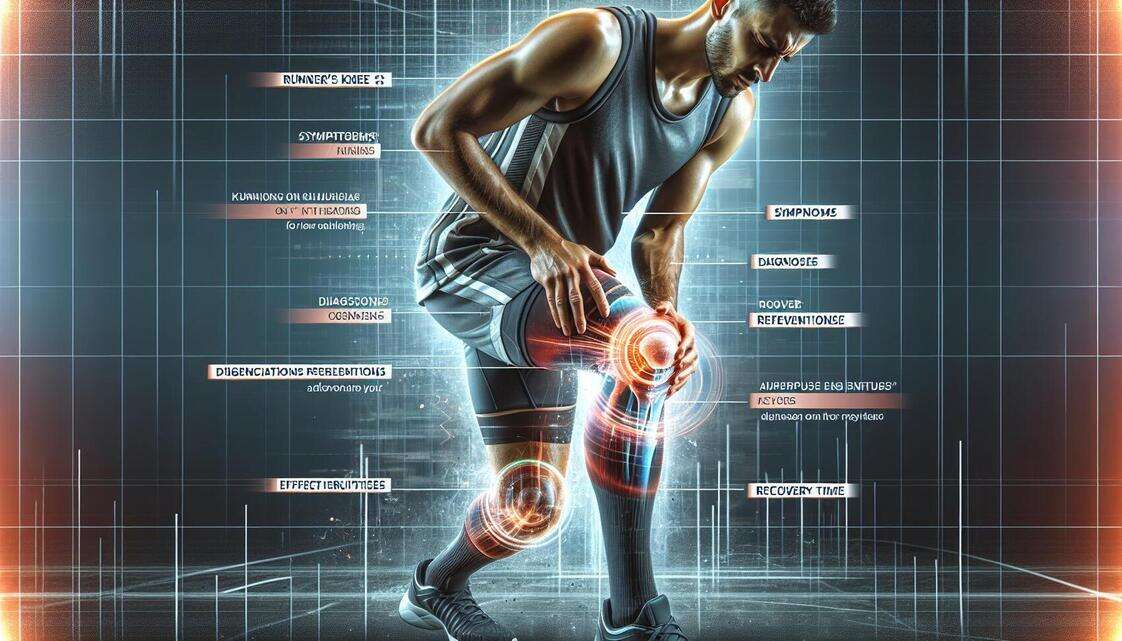
Finding yourself holding your knee just a little too often as you stride through your running routine? You’re not alone. Runner’s knee accounts for approximately 25% of all running-related injuries. Runner’s knee, clinically known as patellofemoral pain syndrome (PFPS), is a prevalent condition among athletes, particularly runners, cyclists, and individuals engaged in activities that involve repetitive knee motion. Characterized by pain around the kneecap, this syndrome can significantly hinder one’s ability to perform daily activities and pursue athletic goals. Understanding a runner’s knee is essential for prevention and effective management, especially for sports or physical fitness individuals.
The condition arises from overuse and biomechanical factors that place stress on the knee joint. Despite its name, a runner’s knee can affect anyone, regardless of their involvement in running. The pain typically manifests during running, squatting, or climbing stairs, often leading to discomfort and frustration.
This guide will provide a comprehensive overview of a runner’s knee, highlighting its significance in sports injuries and its impact on an athlete’s performance and quality of life. By examining the symptoms, causes, diagnosis, treatment options, and prevention strategies, we aim to equip athletes with the knowledge needed to recognize and address runner’s knee effectively.
Symptoms of Runner’s Knee
Runner’s knee is characterized by various symptoms that can significantly impact an individual’s ability to perform daily activities and engage in physical exercise. Women are more likely to experience runner’s knee than men, with a prevalence rate of about 20% higher. Recognizing these symptoms early can aid in prompt diagnosis and effective treatment.
A. Common Pain Locations
The hallmark of a runner’s knee is pain around the kneecap (patella). This discomfort is often felt in the front of the knee, particularly during activities that stress the joint, such as running, squatting, or climbing stairs. Some individuals may also experience pain on the sides of the kneecap or behind it. The location and nature of the pain can vary between individuals, making it crucial to identify the specific areas affected to better tailor treatment strategies.
B. Intensity and Duration of Pain
The intensity of pain associated with a runner’s knee can range from a dull ache to sharp, debilitating discomfort. Many individuals report that the pain worsens during physical activity and may improve with rest. However, in some cases, the pain can persist even during inactivity, especially after prolonged sitting or standing. The duration of symptoms can vary widely, with some experiencing intermittent pain that flares up with increased activity, while others may endure more consistent discomfort.
C. Associated Symptoms Such as Swelling and Creaking
In addition to pain, the runner’s knee may present with other symptoms that can inform the condition’s progression. Swelling around the knee joint is typical and often indicative of inflammation resulting from overuse or irritation. Another frequent symptom is a creaking or grinding sensation (known as crepitus) when bending or straightening the knee, which can be alarming but is often harmless. These associated symptoms can further complicate the clinical picture and should be carefully evaluated during diagnosis and treatment planning.
| Symptom | Description |
|---|---|
| Pain around the kneecap | Discomfort under and around the knee |
| Swelling | Noticeable inflammation around the knee |
| Creaking or popping sounds | Noises in the knee joint during movement |
| Increased pain with activity | Pain worsens with activities like running, squatting, or climbing stairs |
| Stiffness | Reduced flexibility or movement range in the knee |
Causes of Runner’s Knee
Runner’s knee is a common condition that affects runners and other athletes. Understanding this ailment’s various causes is crucial for prevention and effective treatment. Here are the primary factors contributing to a runner’s knee development.
A. Overuse Injuries from Running
One of the most prevalent causes of a runner’s knee is overuse injuries resulting from repetitive stress on the knee joint. The knee can become overwhelmed when runners increase their mileage too quickly or engage in high-intensity training without adequate rest. This repetitive strain can lead to inflammation of the surrounding tissues and irritation of the patella, causing pain. Overuse injuries are widespread in runners who do not allow sufficient recovery time between workouts or participate in high-volume training regimens.
B. Biomechanical Factors Affecting Knee Alignment
Biomechanics plays a significant role in the development of a runner’s knee. Factors such as improper knee joint alignment, flat feet, or high arches can place additional stress on the knee during physical activities. Abnormalities in the alignment of the patella, which may be caused by muscle imbalances or weakness, can lead to increased friction between the patella and the femur. Conditions like iliotibial band syndrome or patellar tendinitis can also arise from these biomechanical issues, further compounding the problem.
C. Previous Injuries and Their Impact
A history of knee injuries can increase the likelihood of developing a runner’s knee. Individuals who have previously experienced trauma to the knee, such as ligament tears or meniscus injuries, may have altered their movement patterns to compensate for pain or instability. These compensatory movements can lead to increased stress on the knee joint and predispose the individual to the runner’s knee. Additionally, previous injuries can weaken the stabilizing muscles around the knee, making it more susceptible to overuse and strain.
| Cause | Description |
|---|---|
| Overuse Injuries from Running | Repetitive strain from high-mileage running. |
| Biomechanical Factors | Misalignment or irregular motion in the knee. |
| Previous Injuries | Residual effects from past knee injuries. |
| Improper Footwear | Lack of support or cushioning during activities. |
| Weak Thigh Muscles | Insufficient strength can stress the knee joints. |
Diagnosis of Runner’s Knee
Diagnosing a runner’s knee involves a comprehensive evaluation that combines a thorough medical history, physical examination, and, if necessary, imaging tests. The goal is to confirm the diagnosis and rule out other potential knee-related conditions contributing to the symptoms.
A. Physical Examination Techniques
The initial step in diagnosing a runner’s knee typically involves a detailed physical examination conducted by a healthcare professional. During this examination, the clinician will assess the patient’s knee for tenderness, swelling, and range of motion. They may perform specific tests to evaluate the knee’s stability and check for signs of patellar tracking issues. The clinician will also inquire about the patient’s running habits, training regimen, and any prior knee injuries to gain insight into the potential causes of the pain.
B. Imaging Tests Such as X-rays and MRIs
Imaging tests may be recommended if the physical examination suggests a runner’s knee but does not provide a definitive diagnosis. X-rays can help rule out fractures or bone abnormalities, while MRIs give a more detailed view of soft tissues, including cartilage, ligaments, and tendons. These imaging modalities are beneficial for identifying any structural issues within the knee joint that may contribute to the symptoms.
C. Differential Diagnosis to Rule Out Other Conditions
An essential aspect of the diagnostic process is differential diagnosis. This involves distinguishing runner’s knee from other conditions that may present with similar symptoms, such as patellar tendinitis, bursitis, or iliotibial band syndrome. By considering various potential diagnoses, the healthcare provider can tailor the treatment plan more effectively. This may include further specialized tests or referral to an orthopedic specialist if needed.
| Diagnosis Approach | Description |
|---|---|
| Physical Examination | Assesses pain locations, swelling, and knee alignment through manual manipulation and tests. |
| Imaging Tests | Includes X-rays and MRIs to visualize internal structures and rule out bone or tissue abnormalities. |
| Patient History | Collects information on symptoms, previous injuries, and activity levels to understand contributing factors. |
| Differential Diagnosis | Considers other conditions with similar symptoms to exclude incorrect diagnoses. |

Treatment Options for Runner’s Knee
Treating a runner’s knee effectively requires a multifaceted approach that addresses immediate pain relief and long-term recovery. The following treatment options can help alleviate symptoms, promote healing, and prevent future occurrences.
A. Rest and Ice Therapy
One of the first steps in managing a runner’s knee is to allow the affected knee adequate rest. This means temporarily reducing or stopping activities that exacerbate the pain, particularly running. Ice therapy can also be beneficial; applying an ice pack wrapped in a towel to the knee for 15-20 minutes every few hours can help reduce swelling and numb pain. This combination of rest and ice can significantly alleviate discomfort and promote recovery in the early stages of treatment.
B. Physical Therapy and Rehabilitation Exercises
Once the initial pain and swelling have subsided, physical therapy often plays a crucial role in recovery. A physical therapist can develop a personalized rehabilitation program that focuses on strengthening the muscles surrounding the knee, improving flexibility, and correcting biomechanical issues. Key components of physical therapy may include:
1. Stretching Exercises: These help to relieve tightness in the quadriceps, hamstrings, and iliotibial band, which can contribute to knee pain.
2. Strengthening Exercises: Targeting the quadriceps, hamstrings, glutes, and hip abductors is essential. Strengthening these muscles can provide better support to the knee joint and improve overall stability.
3. Balance and Proprioception Training: Improving balance and body awareness can help prevent future injuries by enhancing control during physical activities.
C. Medications and Injections for Pain Relief
Over-the-counter nonsteroidal anti-inflammatory drugs (NSAIDs), such as ibuprofen or naproxen, can be effective in managing pain and reducing inflammation associated with a runner’s knee. For individuals experiencing more severe pain that does not respond to oral medications, corticosteroid injections may be considered. These injections can provide temporary relief by delivering anti-inflammatory medication directly into the knee joint.
In some cases, hyaluronic acid injections provide lubrication in the joint, which may help reduce pain and improve mobility. However, administering injections should be discussed thoroughly with a healthcare provider to weigh the potential benefits against any risks.
| Treatment Option | Description |
|---|---|
| Rest and Ice Therapy | Allows the knee to heal while reducing inflammation and swelling through ice application. |
| Physical Therapy and Rehabilitation Exercises | Focuses on strengthening the surrounding muscles and improving flexibility to restore knee function. |
| Medications and Injections for Pain Relief | Includes use of anti-inflammatory medications and corticosteroid injections to manage pain and discomfort. |
| Taping | Utilizes KT tape or Leukotape to adjust knee mechanics and provide support during activity. |
| Shoe Inserts and Knee Braces | Offers additional support and alignment correction to minimize knee strain. |
Prevention Strategies for Runner’s Knee
Preventing a runner’s knee is crucial for maintaining an active lifestyle and avoiding the discomfort associated with this common injury. By incorporating effective prevention strategies, runners can significantly reduce their risk of developing knee pain. Here are several key approaches to consider:
A. Proper Footwear and Running Techniques
One foundational element in preventing a runner’s knee is wearing the right shoes. Proper footwear should provide adequate support, cushioning, and stability tailored to an individual’s foot type and running style. Runners should visit specialty running stores for gait analysis and shoe recommendations.
In addition to footwear, adopting correct running techniques can help minimize knee strain. Maintaining a consistent stride, landing softly on the midfoot, and keeping the knees slightly bent can reduce impact and promote better alignment. Running on softer surfaces, like grass or trails, is also beneficial, rather than concrete or asphalt, which can exacerbate the stress on the knees.
B. Strength Training and Flexibility Exercises
Incorporating strength training into a regular exercise routine is vital for building the muscles supporting knee joints. Over 50% of runners with knee pain report a reduction in symptoms after incorporating strength training exercises. Focus on strengthening the quadriceps, hamstrings, calves, and hip muscles to provide better stability and alignment during running. Exercises such as squats, lunges, and leg presses can be particularly practical.
Flexibility exercises are equally important. Stretching the major muscle groups, particularly the hamstrings, quadriceps, and hip flexors, can help improve overall mobility and reduce tension in the knee area. Consider integrating yoga or dynamic stretching routines into your training program to enhance flexibility and prevent imbalances that may lead to injury.
C. Gradual Increase in Running Intensity and Volume
A common cause of a runner’s knee is the sudden increase in running intensity or volume. To prevent overload, following a gradual progression is essential when increasing the distance, speed, or frequency of runs. The 10% rule is a popular guideline, suggesting that runners should not increase their weekly mileage by more than 10% to minimize the risk of injury.
Listening to your body is equally important. If you experience discomfort or fatigue, allow yourself sufficient time to recover before pushing forward. Incorporating rest days and cross-training activities can help maintain fitness levels while giving your knees a break from repetitive impact.
| Prevention Strategy | Details |
|---|---|
| Warm Up and Stretch | Prepare your muscles and joints with a thorough warm-up and dynamic stretching routine before each run. |
| Maintain a Healthy Weight | Reduce stress on your knees by keeping your body weight within a healthy range. |
| Run on Soft Surfaces | Opt for trails or tracks that offer cushioning to lessen impact on your knees. |
| Use Supportive Gear | Consider shoe inserts or knee braces to provide extra support if recommended. |
| Structured Training Program | By following a well-designed training plan, you can avoid overuse and ensure a balanced approach to running. |
Recovery Time and Expectations
Recovering from a runner’s knee can vary significantly based on the severity of the condition, the effectiveness of the treatment plan, and individual factors such as age, overall health, and adherence to rehabilitation protocols. Understanding typical recovery timelines and what to expect during the healing process is crucial for those affected by this condition.
A. Typical Recovery Timelines Based on Severity
For mild cases of a runner’s knee, where symptoms are manageable, and the injury is not significantly affecting daily activities, recovery can take anywhere from a few days to a couple of weeks. With proper rest, ice therapy, and adherence to recommended exercises, many individuals can return to their regular running routine relatively quickly.
Moderate cases may require a more extended recovery period, typically three to six weeks. This duration often involves more intensive physical therapy and a gradual return to running, with careful monitoring of symptoms to avoid re-injury.
Severe cases of a runner’s knee, which may involve significant pain, swelling, and limited mobility, can take several months to heal. Following a comprehensive treatment plan, including advanced rehabilitation techniques and possibly medical interventions like corticosteroid injections, is essential in such instances.
B. Factors Influencing Recovery Duration
Several factors can influence the duration of recovery from a runner’s knee. These include:
- Injury Severity: More severe injuries often require more prolonged recovery.
- Adherence to Treatment: Following prescribed rest, rehabilitation exercises, and medication protocols are critical for optimal recovery.
- Individual Health Factors: Age, overall fitness level, and other medical conditions can impact healing times.
- Biomechanical Issues: Addressing underlying biomechanical problems can facilitate a more effective recovery process.
- Lifestyle Choices: Smoking, poor nutrition, and lack of sleep can hinder the body’s healing processes.
C. Signs of Improvement and When to Seek Help
As recovery progresses, individuals should look for specific signs of improvement. These may include a gradual reduction in pain levels, decreased swelling, improved range of motion, and the ability to perform daily activities without discomfort.
However, it is essential to remain vigilant. If pain persists or worsens despite following a treatment plan, or if new symptoms arise—such as persistent swelling, instability in the knee, or significant changes in mobility—consulting a healthcare professional is crucial. Early intervention can prevent further complications and ensure a more efficient recovery process.
Best Exercises for Runner’s Knee Pain
When dealing with a runner’s knee, incorporating the right exercises into your routine can be instrumental in alleviating pain and promoting recovery. The focus should be on stretching tight muscles, strengthening the supporting muscles around the knee, and engaging in low-impact activities that maintain overall fitness without exacerbating the condition. Below are some practical exercises to consider:
A. Stretching Exercises for Tight Muscles
1. Quadriceps Stretch: Stand on one leg and pull your other foot towards your glutes, holding your ankle. Keep your knees together and hold the stretch for 20-30 seconds. This exercise helps relieve tension in the front of your thigh, which can contribute to knee pain.
2. Hamstring Stretch: Sit on the ground with one leg extended and the other bent. Reach towards your toes on the extended leg while keeping your back straight. Hold for 20-30 seconds. This stretch targets the hamstrings, which can impact knee alignment if they are tight.
3. Calf Stretch: Stand facing a wall with one foot in front of the other. Keep your back leg straight and heel on the ground as you lean forward into the wall. Hold for 20-30 seconds, then switch legs. A flexible calf muscle can support proper knee function.
B. Strengthening Exercises for Supporting Muscles
1. Straight Leg Raises: Lie on your back with one leg bent and the other straight. Slowly lift the straight leg to the height of the bent knee, hold it for a moment, then lower it back down. Repeat for 10-15 reps on each leg. This exercise strengthens the quadriceps without putting stress on the knee.
2. Wall Sits: Stand with your back against a wall and slide down into a sitting position, keeping your knees over your ankles. Hold this position for 20-60 seconds. Wall sits strengthen the quadriceps and glutes, providing better support for the knee joint.
3. Clamshells: Lie on your side with your knees bent and feet together. Keep your feet touching, and lift your top knee as high as you can without moving your pelvis. Lower it back down and repeat for 10-15 reps on each side. This exercise targets the hip abductors, which help stabilize the knee.
C. Low-Impact Activities to Maintain Fitness
1. Swimming: The buoyancy of water reduces the impact on your knees while allowing you to engage in a full-body workout. Swimming laps or participating in water aerobics can strengthen muscles without straining the knee.
2. Cycling: Riding a stationary bike or cycling outdoors can be an excellent way to improve cardiovascular fitness and strengthen the leg muscles while minimizing knee stress. Be sure to adjust the bike settings to ensure proper leg alignment.
3. Elliptical Training: An elliptical machine provides a low-impact alternative to running, allowing for a good cardiovascular workout without the jarring movements associated with traditional running.
Conclusion and Final Thoughts
A runner’s knee is a common yet often misunderstood condition that can significantly impact an individual’s ability to enjoy running and other physical activities. By understanding the symptoms, causes, and treatment options available, runners and athletes can take proactive steps to manage their knee health effectively. Early recognition of symptoms and timely intervention are crucial in preventing further injury, enabling a quicker return to activity.
Preventive measures, such as proper footwear, appropriate running techniques, and regular strength and flexibility training, can help mitigate the risk of developing a runner’s knee. Additionally, maintaining an awareness of body mechanics and gradually increasing training intensity can contribute to long-term knee health.
For those already experiencing pain, it is essential to consult with a healthcare professional for an accurate diagnosis and a tailored treatment plan. Recovery may take time, but with dedication to rehabilitation exercises and adherence to medical advice, most individuals can expect to regain their strength and return to their regular running routine.
In conclusion, while a runner’s knee can pose challenges, it is manageable with the right approach. By prioritizing knee health and integrating effective prevention and treatment strategies, runners can continue to pursue their passion while minimizing the risk of injury. Always listen to your body, and remember that a balanced approach to training is key to enjoying the many benefits of running for years to come.
