


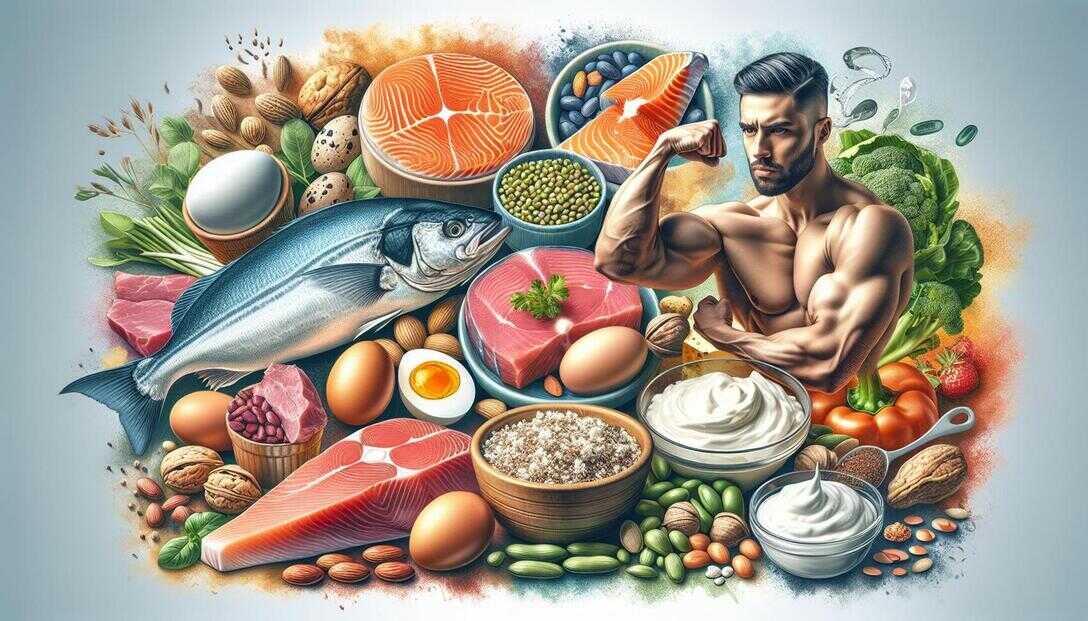
The science of nutrition is ever-evolving, and among the many nutrients that support our health, Branched-Chain Amino Acids (BCAAs) are gaining attention for their essential role in muscle maintenance and growth. Whether you’re an athlete, bodybuilder, or simply someone looking to enhance their nutritional intake, understanding BCAAs is crucial.
“BCAAs are the building blocks of muscle protein synthesis, and optimal intake can potentially enhance exercise performance and recovery.”
The article will guide you through the following:
- What BCAAs are and their importance in the body
- How to source BCAAs through diet and supplementation
- Natural ways to enhance your diet with BCAAs
- A comprehensive list of foods rich in BCAAs, including plant-based food sources of BCAAs
What is BCAA?
Definition and Explanation of Branched-Chain Amino Acids
Branched-chain amino acids, commonly called BCAAs, are a group of three essential amino acids: leucine, isoleucine, and valine. Unlike other amino acids, BCAAs have a unique chemical structure characterized by a branched-chain from which they derive their name. These amino acids are termed “essential” because the human body cannot synthesize them; instead, they must be obtained through dietary sources. BCAAs are crucial in various physiological processes, particularly in muscle protein synthesis and energy production.
Role of BCAAs in Muscle Metabolism
BCAAs are integral to muscle metabolism due to their influence on protein synthesis. Leucine, in particular, is a key regulator of this process by stimulating the mTOR pathway, promoting muscle growth and recovery. Additionally, BCAAs help reduce muscle breakdown during exercise, supporting muscle maintenance and enhancing recovery post-workout. They can also be utilized as an energy source during prolonged physical activity, making them essential for athletes and anyone looking to maintain muscle mass.
Health Benefits of BCAAs Beyond Muscle Maintenance
While BCAAs are often associated with muscle health, their benefits extend beyond mere muscle maintenance. Research suggests that BCAAs may aid in reducing exercise-induced fatigue, thereby improving overall exercise performance. They have also been linked to decreased muscle soreness after strenuous workouts, which can enhance recovery times. Beyond physical performance, BCAAs may regulate blood sugar levels and support cognitive function, making them a valuable addition to a balanced diet.
BCAAs also enhance mental focus during exercise. By competing with tryptophan for entry into the brain, BCAAs can reduce the production of serotonin, a neurotransmitter that contributes to feelings of fatigue. This can help maintain mental clarity and focus during prolonged physical activities.
As such, incorporating BCAAs into one’s dietary regimen can contribute to overall health and well-being and support muscle maintenance.

How to Get BCAAs
Overview of Dietary Sources of BCAAs
Branched-chain amino Acids (BCAAs), which include leucine, isoleucine, and valine, can be obtained through various dietary sources. Whole foods, mainly those rich in protein, are the most effective means of ensuring adequate BCAA intake. Animal products like meat, dairy, and eggs are among the richest sources, while certain plant-based options also provide significant amounts. Incorporating these foods into your diet can effectively enhance your muscle maintenance and overall health.
Supplement Options for BCAAs
In addition to obtaining BCAAs from food, many individuals turn to supplements for convenience and targeted intake. BCAA supplements typically come in powder, liquid, or capsule form and are often marketed to athletes and fitness enthusiasts looking to support their training and recovery. These supplements can benefit those who may struggle to meet their protein needs through food alone, such as vegetarians, vegans, or individuals with busy lifestyles. However, it is essential to choose high-quality products that are free from unnecessary fillers and additives.
Discover the best BCAA supplements for women — designed to boost recovery, reduce soreness, and maintain lean muscle during intense training or calorie restriction.
Read: Best BCAA Supplements for WomenConsiderations When Choosing BCAA Supplements
When selecting BCAA supplements, several factors should be considered:
- Ratio of BCAAs: Most supplements list leucine, isoleucine, and valine ratios. A common ratio is 2:1:1 (leucine to isoleucine and valine), effective for muscle growth and recovery. Some products may feature higher leucine content, enhancing anabolic signaling.
- Ingredients: Look for BCAA supplements that contain minimal ingredients. They should be free from artificial additives, colors, and preservatives.
- Brand Reputation: Choose products from reputable brands that provide third-party testing for quality assurance. User reviews and certifications can also help you make informed choices.
- Dietary Preferences: If you have dietary restrictions, such as gluten intolerance or a vegan lifestyle, check if the supplement aligns with your needs.
- Timing and Dosage: Consider when and how many BCAAs you should take. Many athletes prefer consuming them before, during, or after workouts. Following the manufacturer’s dosage instructions will help you achieve the desired results without adverse effects.
Incorporating BCAAs into your diet can be achieved through whole foods and supplements, providing flexibility in supporting your muscle health. With a proper understanding of dietary sources and supplement options, you can effectively harness the benefits of BCAAs to promote muscle maintenance and overall well-being.
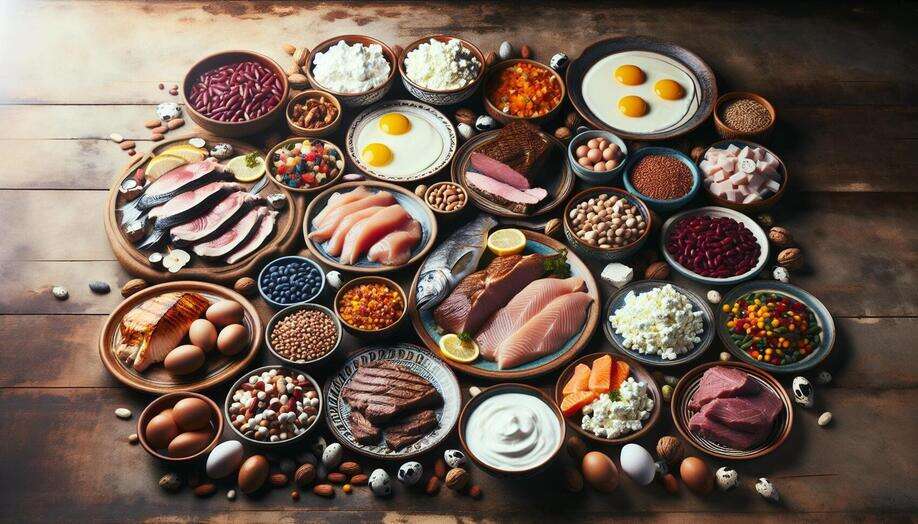
10 Foods Rich in BCAA
Incorporating foods rich in branched-chain amino acids (BCAAs) into your diet effectively supports muscle maintenance and overall health. Here are ten foods that are exceptionally high in BCAAs, along with their nutritional benefits:
1. Chicken Breast
Chicken breast is a lean protein powerhouse, making it a favorite among athletes and fitness enthusiasts. A cooked 3-ounce serving can provide about 9 grams of BCAAs. It is particularly rich in leucine, crucial in muscle protein synthesis. Moreover, chicken breast is versatile and can be grilled, baked, or added to salads and stir-fries, making it easy to incorporate into various meals. Turkey breast is similar to chicken in terms of its BCAA content.
2. Eggs
Eggs are often touted as a complete protein source, containing all nine essential amino acids, including BCAAs. One large egg provides about 6 grams of protein, with a significant portion derived from BCAAs. They are a great breakfast option and can be used in various dishes, such as omelets, salads, and baked goods. The yolk contains healthy fats and essential nutrients, making whole eggs an excellent choice for muscle maintenance.
3. Fish
Fish, particularly varieties like tuna and salmon, are exceptional sources of BCAAs. A 3-ounce serving of tuna can deliver around 5-7 grams of BCAAs, while salmon is similarly rich, providing both protein and omega-3 fatty acids. These healthy fats are beneficial for reducing inflammation and supporting heart health. Fish is easily prepared through grilling, baking, or adding to salads and tacos.
4. Greek Yogurt
Greek yogurt is a dairy product with a creamy texture packed with BCAAs. A typical serving (about 7 ounces) can contain around 20 grams of protein, making it a fantastic option for muscle recovery. Additionally, Greek yogurt is rich in probiotics, promoting gut health. It can be enjoyed independently, mixed with fruits, or used as a smoothie base.
5. Cottage Cheese
Cottage cheese is another dairy-derived food that is high in protein and BCAAs. One cup of low-fat cottage cheese contains approximately 28 grams of protein, which includes a healthy dose of BCAAs. Its mild flavor makes it a versatile ingredient for both sweet and savory dishes, such as parfaits and salads, or as a topping for whole-grain toast.
6. Beef
Beef is a rich source of BCAAs, particularly for those looking to increase their protein intake. A 3-ounce serving of cooked beef can provide around 6-7 grams of BCAAs. It is also a good source of iron, zinc, and vitamin B12, all essential for overall health and muscle function. Lean cuts of beef can be grilled, roasted, or used in stews and stir-fries.
7. Legumes
Legumes, such as lentils, chickpeas, and beans, are excellent plant-based sources of BCAAs. A cup of cooked lentils contains about 18 grams of protein, with a portion attributed to BCAAs. They are also high in fiber, which aids digestion and promotes satiety. Legumes can be added to salads and soups or served as a side dish, making them a versatile choice for any meal.
8. Nuts and Seeds
Nuts and seeds are rich in healthy fats and provide a decent amount of BCAAs. For instance, a serving of almonds (about 23 nuts) contains approximately 6 grams of protein, including BCAAs. Walnuts, pumpkin seeds, and sunflower seeds are also good options. These can be enjoyed as snacks, added to oatmeal, or sprinkled over salads for a crunch.
9. Quinoa
Quinoa is a unique grain classified as a complete protein, containing all nine essential amino acids, including BCAAs. A cooked cup of quinoa provides about 8 grams of protein. It is gluten-free and can be used as a base for salads, bowls, or a side dish. Quinoa is also rich in fiber, magnesium, and antioxidants, making it a nutritious addition to any meal.
10. Tofu
Tofu is an excellent plant-based protein source, making it a staple for vegetarians and vegans. A 3.5-ounce serving of firm tofu contains around 8 grams of protein, with a significant amount coming from BCAAs. Tofu is incredibly versatile; it can be grilled, stir-fried, or blended into smoothies, making it easy to incorporate into various cuisines.
Incorporating these ten foods into your diet can help you get enough BCAAs to support muscle maintenance and overall health. By enjoying various options, you can create balanced meals that fuel your body and assist in recovery after workouts.
Table: Foods Rich in BCAAs
This table provides a comprehensive list of both animal—and plant-based food sources rich in Branched-Chain Amino Acids (BCAAs). The foods are categorized accordingly, with their respective BCAA content measured in grams per 100 grams. Use this resource to identify diverse dietary options that can help with muscle maintenance and growth.
| Food Source | Type | BCAA Content (g per 100g) |
|---|---|---|
| Chicken Breast | Animal | 4.6 |
| Eggs | Animal | 2.1 |
| Fish | Animal | 5.9 |
| Greek Yogurt | Animal | 2.0 |
| Cottage Cheese | Animal | 1.7 |
| Beef | Animal | 4.0 |
| Legumes | Plant | 1.9 |
| Nuts and Seeds | Plant | 2.0 |
| Quinoa | Plant | 1.5 |
| Tofu | Plant | 2.3 |
| Turkey | Animal | 4.9 |
| Milk | Animal | 1.5 |
| Soy Milk | Plant | 1.8 |
| Pork | Animal | 3.9 |
| Cheese | Animal | 4.3 |
| Lentils | Plant | 1.5 |
| Chia Seeds | Plant | 1.7 |
| Almonds | Plant | 1.5 |
| Pumpkin Seeds | Plant | 2.4 |
| Hemp Seeds | Plant | 2.5 |
| Peanuts | Plant | 1.6 |
| Pistachios | Plant | 2.1 |
| Tempeh | Plant | 1.6 |
| Edamame | Plant | 1.4 |
| Seitan | Plant | 2.7 |
| Spirulina | Plant | 3.0 |
| Broccoli | Plant | 0.9 |
| Brussels Sprouts | Plant | 1.0 |
| Brown Rice | Plant | 0.5 |
| Sunflower Seeds | Plant | 1.3 |
How to Add BCAAs to Your Diet Naturally
Incorporating branched-chain amino acids (BCAAs) into your diet doesn’t have to be complicated. You can easily include BCAA-rich foods in your meals and snacks with a little planning and creativity. Here are some effective strategies to ensure you get enough of these essential nutrients naturally.
A. Incorporating High-BCAA Foods into Meals
One of the easiest ways to boost your BCAA intake is by including high-BCAA foods in your main meals. Aim to create balanced plates that feature a good source of protein alongside whole grains and vegetables. For instance, grilled chicken breast served with quinoa and steamed broccoli provides a substantial amount of BCAAs and offers a variety of other essential nutrients.
Alternatively, you can make a hearty stir-fry using tofu, various colorful vegetables, and a base of brown rice. This meal is rich in BCAAs and packed with fiber and vitamins. Consider adding legumes like lentils or chickpeas to salads or soups, as they contribute to your overall BCAA intake while enhancing the meal’s texture and flavor.
B. Snacking on BCAA-Rich Foods
Snacking is another excellent opportunity to increase your BCAA consumption. Choose snacks that are both nutritious and rich in BCAAs. For instance, a bowl of Greek yogurt topped with berries and a sprinkle of nuts provides a satisfying and protein-dense snack. Alternatively, cottage cheese with sliced peaches or a handful of almonds can serve as a quick and easy snack option.
If you prefer something savory, consider hummus from chickpeas paired with raw vegetables or whole-grain crackers. These snacks deliver essential BCAAs and keep you full and energized throughout the day.
C. Meal Planning for Optimal BCAA Intake
Effective meal planning can significantly enhance your ability to incorporate BCAAs into your diet. Set aside time each week to plan your meals and snacks, focusing on including various BCAA-rich foods. Make a grocery list highlighting these foods and ensuring you have them on hand.
Consider preparing larger batches of meals you can portion out for the week. For example, cook a large quantity of quinoa or brown rice and use it as a base for multiple meals. Grill or bake several chicken breasts at once and store them in the fridge for easy access throughout the week. By preparing meals in advance, you can ensure that you consistently meet your BCAA needs, even on your busiest days.
In summary, adding BCAAs to your diet naturally involves thoughtful meal and snack choices that are both enjoyable and nutritious. By incorporating a variety of high-BCAA foods and planning your meals efficiently, you can support muscle maintenance and overall health with ease.
Conclusion – Recap of the Importance of BCAAs in Muscle Maintenance and Dietary Strategies
Branched-chain amino Acids (BCAAs) are crucial in muscle maintenance and overall health. They are essential components of protein that support muscle metabolism, aid in recovery from exercise, and help prevent muscle breakdown, particularly during periods of stress or caloric deficit. Beyond their muscle-related benefits, BCAAs contribute to improved energy levels and enhanced exercise performance and may support immune function.
Incorporating BCAAs into your diet does not have to be complicated. Focusing on various dietary sources rich in these vital amino acids ensures that your body receives the necessary nutrients for optimal muscle function and recovery. High-quality animal- and plant-based protein sources can seamlessly fit into your daily meals and snacks, allowing you to enjoy a balanced and nutritious diet.
For those who prefer more structured approaches, meal planning can help you strategically incorporate BCAA-rich foods into your routine. By being mindful of your food choices and aiming for a diverse array of sources, you can easily meet your BCAA needs while enjoying the flavors and textures of different foods.
Ultimately, understanding the significance of BCAAs and how to include them effectively in your diet is vital for anyone looking to support muscle maintenance and enhance their overall health. Whether you choose whole foods or consider supplements, a thoughtful approach to nutrition will yield long-lasting benefits for your body and your fitness journey.
Literature consulted
- Harper, A. E., Miller, R. H., & Block, K. P. (1984). Branched-chain amino acid metabolism. Annual Review of Nutrition, 4(1), 409-454.
- Shimomura, Y., Yamamoto, Y., Bajotto, G., Sato, J., Murakami, T., Shimomura, N., & Kobayashi, H. (2006). Nutraceutical effects of branched-chain amino acids on skeletal muscle. The Journal of Nutrition, 136(2), 529S-532S.
- Wolfe, R. R. (2001). Effects of amino acid intake on anabolic processes. Canadian Journal of Applied Physiology, 26(S1), S298-S306.
- Suryawan, A., & Davis, T. A. (2014). Regulation of protein synthesis by branched-chain amino acids in skeletal muscle of neonates. Frontiers in Bioscience, 19, 1329-1351.
- Layman, D. K. (2002). Role of leucine in protein metabolism during exercise and recovery. Canadian Journal of Applied Physiology, 27(6), 646-663.
- Ispoglou, T., King, R. F., Polman, R. C., & Duckworth, L. C. (2010). Daily L-leucine supplementation in novice trainees during a 12-week weight training program. International Journal of Sports Physiology and Performance, 6(1), 38-50.
- Blomstrand, E., Eliasson, J., Karlsson, H. K., & Köhnke, R. (2006). Branched-chain amino acids activate key enzymes in protein synthesis after physical exercise. The Journal of Nutrition, 136(1), 269S-273S.
- Holecek, M. (2018). Branched-chain amino acids and their importance for human health: Application in sports and therapeutic management of cirrhosis, obesity, and diabetes. International Journal of Molecular Sciences, 19(4), 949.
