

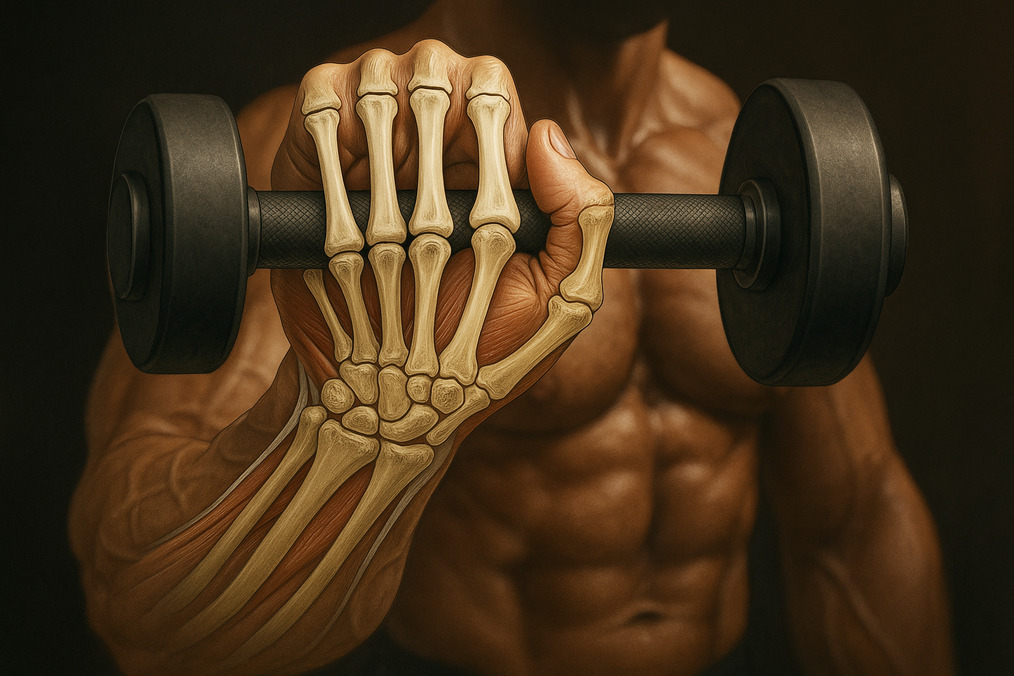
The human hand is a marvel of engineering, composed of several intricate bones that work together in harmony. In this article, we explore the anatomy and function of the hand’s bones—carpals, metacarpals, and phalanges. By understanding their roles, you can appreciate how they enable everything from daily tasks to complex sporting activities. We will examine all the details of these bones, discussing their location, shape, and size. You’ll also learn about the muscles attached to them, the blood supply, and how they are innervated. While often overlooked, the role of the hand bones in bodybuilding plays a fundamental part in executing lifts safely and effectively.
Knowing about these bones is especially important for bodybuilders, people engaged in sports activities, and fitness enthusiasts. A fundamental understanding of the hand skeleton can enhance your workout efficiency and prevent injury. It can also aid in rehabilitation from sports-related injuries. After all, strong hands are crucial not just for lifting, but also for balance and stability in many exercises.
As we go further, we’ll also explore common injuries affecting the hand bones and the treatments available for them. Plus, you’ll find tips for keeping your hand bones healthy. With this knowledge, you can ensure that your hands remain strong and functional, supporting you in all your physical activities.
What are the hand bones?
The bones in your hand are complex yet fascinating. They allow you to perform intricate movements.
- Carpals: Eight small and irregularly shaped bones. Found on the wrist.
- Metacarpals: Five bones that form the central part of the hand. Connect the wrist to the fingers.
- Phalanges: Bones of the fingers. Each finger has three, except the thumb, which has two.
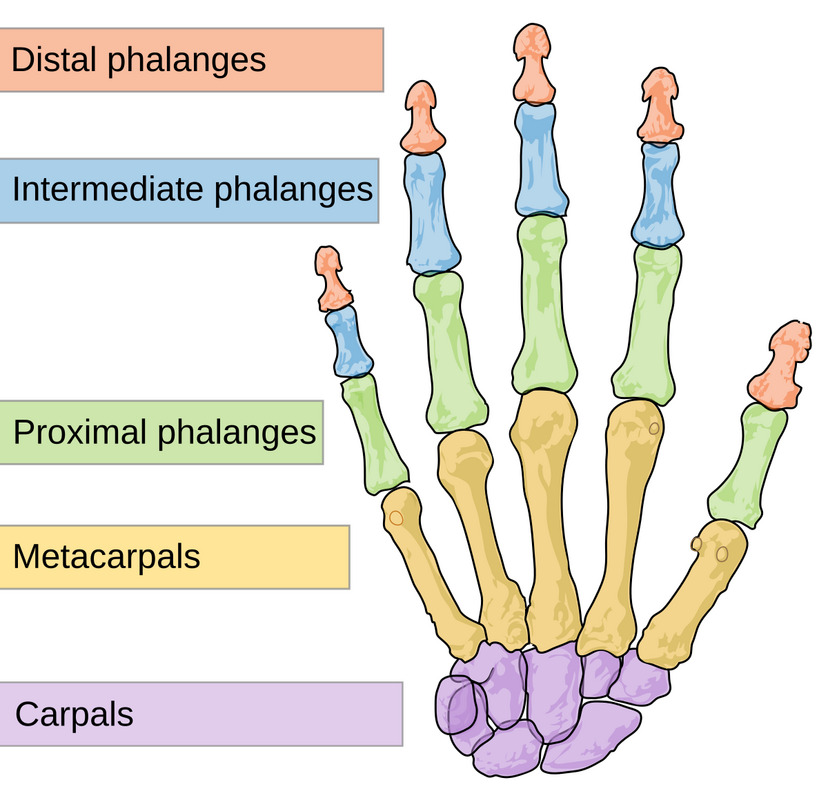
Brief anatomy of the hand bones
A. Location of the Hand Bones
- Carpals: Found at the base of the hand. Connects the hand to the forearm.
- Metacarpals: Located in the middle of the hand. Form the framework of the palm.
- Phalanges: Make up the fingers. Attached to the knuckles.
B. Appearance (Shape)
- Carpals: These bones are small and square-shaped or oval. Arranged in two rows, they fit together like a puzzle, making the wrist flexible.
- Metacarpals: These are long and straight like beams. Each metacarpal has a round end that connects to the small bones in the fingers.
- Phalanges: These resemble tiny rods, with each finger having three phalanges, except the thumb, which has two. They are designed to allow your fingers to move and grip.
C. Size of the Hand Bones
The size of hand bones varies significantly among individuals due to genetic and physiologic factors.
- Carpal bones, which form the wrist, are small and irregularly shaped.
- Metacarpals, the bones of the palm, are longer and slender, providing a strong structure for palm mobility.
- Phalanges, which make up the fingers, are the smallest and shortest, with distal phalanges being the smallest of all hand bones.
The size of hand bones allows for a delicate balance of strength, flexibility, and dexterity required for hand functionality.
D. The Muscles of the Hand
The human hand is controlled by a complex network of over 30 muscles, playing an essential role in dexterity and strength. These muscles, primarily divided into intrinsic and extrinsic categories, work in harmony to perform intricate movements and maintain grip. Whether you’re typing on a keyboard, playing a musical instrument, or lifting weights, the combined effort of these muscles ensures precise control and force, highlighting their critical importance in daily tasks and athletic endeavors. Here are the necessary muscles to know:
- Thenar Muscles: These control thumb movements. They are crucial for gripping.
- Hypothenar Muscles: Located on the palm side. They manage the movements of the little finger.
- Lumbrical Muscles: Enable finger bending. They also aid in finger extension.
- Interossei Muscles: These control finger spreading and bring fingers together.
- Extrinsic Flexors: Long tendons that pass from the forearm. They flex the wrist and fingers.
- Extrinsic Extensors: Extend the fingers and wrist. Necessary for releasing the grip.
E. Important Joints and Ligaments of the Wrist and Hand
Grasping the role of joints and ligaments in the wrist and hand is vital for their seamless function. These elements give your hand both flexibility and strength, essential for everyday tasks and sports. Here are the important joints and ligaments to know:
- Radiocarpal Joint: Connects the forearm to the wrist. Allows wrist movements.
- Midcarpal Joint: Located between the two rows of carpal bones. Crucial for wrist flexibility.
- Carpometacarpal Joints: Connect the wrist to the hand bones. Essential for thumb mobility.
- Metacarpophalangeal Joints (MCP): Knuckle joints. Enable finger bending and straightening.
- Proximal Interphalangeal Joints (PIP): Middle finger joints. Assist in gripping.
- Distal Interphalangeal Joints (DIP): Finger joints closest to the nail. Aids in fine motor tasks.
- Ulnar Collateral Ligament: Found in the thumb. Essential for thumb stability.
- Radial Collateral Ligament: Provides lateral stability to the thumb.
- Scapholunate Ligament: Connects the scaphoid and lunate bones. Supports wrist stability.
The flexibility and strength enabled by these joints and ligaments cannot be overstated; they are integral to both sports and everyday actions.
F. Blood Supply & Innervation to Hand Bones
Understanding the blood supply and innervation of the hand bones is essential. It affects function and recovery from injuries. These structures give your hand bones the needed nutrients and signals. This helps them perform tasks efficiently. Here’s a concise overview:
| Hand Bone | Blood Supply | Innervation |
|---|---|---|
| Carpals | Radial and ulnar arteries | Median and ulnar nerves |
| Metacarpals | Palmar and dorsal metacarpal arteries | Median, ulnar, and radial nerves |
| Phalanges | Digital arteries | Digital nerves |
Functions of the Hand Bones
Functions of Carpal Bones
- Support and Stability: The carpal bones create the structure of the wrist, providing crucial support for both the hand and forearm.
- Facilitating Movement: They allow a range of wrist movements, including flexion, extension, and slight rotation, which contribute to the hand’s flexibility.
- Articulation: Carpal bones form joints with the radius and ulna, enabling smooth wrist function.
Functions of Metacarpal Bones
- Shape and Support: These bones give the hand its shape and structure, supporting the palm.
- Force Transmission: Metacarpals play a key role in transmitting forces when gripping or holding objects.
- Movement: They enable complex hand movements by acting as levers, facilitating the precision needed for tasks like typing or writing with a pen.
Functions of Phalanges
- Dexterity: Phalanges are essential for the dexterous movements of the fingers, enabling tasks such as typing, grasping, and playing instruments.
- Grip and Manipulation: They contribute to the grip strength and precision required to handle various objects.
- Articulation: Each finger consists of phalanges that form joints, enabling bending and straightening motions necessary for hand functionality.
Interactions with other bones
Carpals, metacarpals, and phalanges create a seamless network in your hand that interacts dynamically with other bones. The carpal bones, a group of eight, form the complex wrist structure. They articulate with the long bones of the forearm—the radius and ulna—through the radiocarpal and ulnocarpal joints. These interactions enable a wide range of wrist movements, including flexion, extension, and rotation.
Moving on, the metacarpal bones serve as the bridge between the carpal bones and the phalanges. They not only connect to the proximal phalanges at the metacarpophalangeal joints (knuckles) but also articulate with the distal carpal bones at the carpometacarpal joints. This dual connection is crucial for the intricate biomechanics of your hand, allowing it to flex, extend, jot down notes, and grip objects effectively.
The long and slender phalanges comprise the fingers (and thumb), forming joints with the metacarpals at the knuckles. These bones further articulate with one another at the interphalangeal joints. This chain of bones and joints facilitates fine motor skills and dexterous actions, from typing on a keyboard to playing a musical instrument.
The harmonious interaction of these bones with each other and with the forearm establishes a versatile and powerful tool—the human hand. Understanding this complex choreography helps you appreciate the remarkable design and function of your hands, which perform countless tasks every day.
🏋️♂️ Trainer’s Perspective
As a fitness trainer with over a decade of experience working with athletes, bodybuilders, and everyday clients, I’ve come to appreciate how crucial the structure and function of the hand bones are for overall performance and injury prevention.
In my work, I’ve seen numerous cases where poor wrist and hand alignment led to chronic issues, especially in clients engaging in heavy strength training, Olympic lifting, or high-rep calisthenics. One of the most overlooked factors is how grip position and wrist angle affect the load distribution across the carpal and metacarpal bones. Improper loading can eventually result in wrist impingements, overuse injuries, and even stress fractures in extreme cases.
Understanding the anatomy of the hand bones isn’t just academic — it directly influences exercise selection, form correction, and even recovery protocols. I’ve had clients improve pressing mechanics and reduce elbow pain simply by adjusting how they grip dumbbells or barbells based on their hand structure.
In bodybuilding, even isolation movements like wrist curls, reverse curls, and rope work for the forearms can strain the hand structures if done without awareness of anatomical limitations. That’s why I emphasize not only strengthening the muscles in the forearms and hands but also incorporating mobility work and improving structural balance.
This deep anatomical knowledge gives me the tools to fine-tune programming, ensure longevity in training, and help clients unlock their true strength potential — all starting from the foundation: the bones of the hand.
🏋️♂️ Bodybuilding Exercises That Put the Most Strain on Your Hand Bones
- Barbell Deadlift – The heavy weight pulls directly against your grip, and poor hand positioning can overstress the small bones in your hands.
- Bench Press – Incorrect wrist alignment can shift pressure into the palm and overcompress the carpal bones.
- Pull-Ups / Chin-Ups – Repeated hanging and pulling loads can strain finger joints and tendons, as well as tiny hand structures.
- Barbell Rows – A loose grip or rolling bar can create torque through the hands, leading to overuse injuries.
- Dumbbell Flyes – Holding heavy dumbbells with a wide grip puts the hand bones under pressure, especially during the stretch phase.
- Farmer’s Walk – Prolonged gripping of heavy weights can cause compression stress in the metacarpals and fatigue-related injury.
- EZ Bar Curls – The angled grip can force awkward wrist and hand positioning, increasing the risk of strain or nerve irritation.
- Overhead Press (Barbell or Dumbbell) – Supporting the weight above the head transfers pressure through the wrists and into the hand bones, especially when there is poor wrist control.
- Kettlebell Swings – The dynamic motion and shifting weight challenge grip stability and can stress the hand joints if not controlled well.
- Push-Ups (with Fists or Handles) – Unsupported wrists or excessive body weight can overload the bones in the heel of the hand or knuckles.
Introduction to the Health of the Hand Bones
Your hands are essential. They help you do everything from writing notes to lifting weights. However, they can also be injured easily. Here are some common injuries and conditions that can affect the bones in your hand:
I. Common Injuries and Conditions Affecting Hand Bones
- Fractures: A bone in the hand can break due to an accident or fall. Symptoms include swelling, pain, and trouble moving the hand.
- Carpal Tunnel Syndrome: This occurs when the median nerve gets compressed at the wrist. It leads to numbness or tingling in your fingers.
- Arthritis: This condition causes inflammation in the joints, leading to pain and stiffness. It’s more common as you age.
- Sprains: This happens when you stretch or tear ligaments. It often results from a fall or a sudden twist.
- Tendinitis: Inflammation of tendons due to overuse or strain. It can cause pain and limit your hand’s movement.
- Boxer’s Fracture: This affects the metacarpal bones and often results from punching a hard object.
Understanding these injuries and their symptoms can help you prevent them and seek early treatment when needed.
II. Common Treatments for Hand Bone Injuries
Dealing with hand bone injuries effectively is crucial for optimal recovery. Here are some common treatments:
- Rest: Avoid using the injured hand. It helps to prevent further damage.
- Ice: Apply ice packs to reduce swelling. Use regularly in short intervals.
- Compression: Use bandages or splints. They provide necessary support and reduce swelling.
- Elevation: Keep the hand elevated. It minimizes swelling and promotes blood flow.
- Medication: Use pain relievers as needed. Consult a doctor for appropriate prescriptions.
- Physical Therapy: Engage in guided exercises post-injury. Helps regain mobility and strength.
- Splinting or Casting: Immobilizes the affected area. Protects it during healing.
- Surgery: Required for severe fractures. Fixation devices may be used for alignment.
- Rehabilitation: Follow a structured rehab program. Essential for full functional recovery.
Tips for Keeping the Hand Bones Healthy
- Exercise Regularly: Incorporate hand exercises to maintain strength and flexibility. Simple hand stretches can make a big difference.
- Use Proper Form: When lifting or carrying objects, use correct techniques. This prevents unnecessary strain on hand bones.
- Take Breaks: Avoid prolonged hand activities without rest. Taking frequent breaks reduces the risk of repetitive stress injuries.
- Wear Protection: In sports, using gloves or wrist guards can safeguard your hands. Especially crucial in contact sports or when lifting heavy weights.
- Stay Hydrated: Hydration helps lubricate your joints. Well-lubricated joints support healthy bone function.
- Eat a Balanced Diet: Nutrients like calcium and vitamin D are vital. They promote bone density and overall hand health.
- Avoid Overloading: Don’t carry more weight than your hands can handle. Overloading can lead to fractures or sprains.
- Listen to Your Body: If you experience pain or discomfort, rest your hands. Early attention can prevent more serious issues.
Importance of the Hand Bones in Bodybuilding and Sports
The hand is an athlete’s tool. In bodybuilding, strong hand bones mean a firm grip. This grip is crucial for lifting weights. Weak bones can limit your performance.
Hand bones provide stability in sports. They absorb shocks in contact sports like football. They help in balancing during gymnastics routines. A strong hand supports the wrist and improves your performance.
In sports like basketball and tennis, precise movements are essential. Hand bones allow for dexterous finger movements. This precision helps in dribbling a basketball or serving a tennis ball.
High-impact sports rely heavily on healthy bones in the hands. Sports such as boxing require powerful punches. Here, the bones help in delivering force effectively.
Moreover, coordination is vital in artistic sports like ballet. The hand bones’ flexibility helps with graceful movements, adding to their aesthetic appeal.
In summary, maintaining healthy hand bones is crucial. They enhance your strength, precision, and coordination in both bodybuilding and different sports.
Conclusion: The Important Role of Hand Bones
The hand’s structure is a marvel of nature. Its bones play a crucial role in movement and strength. Every carpal, metacarpal, and phalange contributes to our ability to grip and manipulate objects. Understanding the role of hand bones in bodybuilding is crucial for optimizing grip strength, enhancing performance, and preventing injuries. The role of the hand bones in bodybuilding goes far beyond mere support — they are a structural foundation for strength, stability, and precision. Maintaining hand health is, therefore, essential. Keep your hand bones in check, and they’ll keep you at your best.
See how this bone connects to the entire framework of the human body. Discover joint relationships, structural alignment, and the full skeletal map in our interactive model.
View Full Skeleton →💬 Coach’s Corner: Hand Bones & Lifting — Your Top Questions Answered
Your grip is only as strong as the structure behind it — and that structure starts with your hand bones. Here are the most common questions lifters ask about hand anatomy, strength, and injury prevention — so you can hold on tighter, lift heavier, and stay pain-free.
Can lifting weights damage the bones in your hand?
Yes, lifting heavy weights with poor form or overuse can lead to stress fractures, joint strain, or tendon injuries in the hand.
What are the most common hand injuries in bodybuilding?
Common injuries include wrist sprains, carpal tunnel syndrome, tendonitis, and fractures of the metacarpal bones.
How can I protect my hand bones during weightlifting?
Use proper form, avoid overloading, strengthen your grip, and consider wearing wrist wraps for support during heavy lifts.
Do hand bones get stronger with strength training?
Yes, like other bones, the hand bones can become denser and stronger over time with consistent, moderate resistance training.
Which exercises are hardest on the hand and wrist joints?
Deadlifts, barbell curls, overhead presses, and farmer’s walks put significant strain on the hands and wrists.
Is wrist pain during lifting a sign of a hand bone problem?
It could be. Wrist pain might indicate joint stress, tendon strain, or small bone injury. If pain persists, consult a specialist.
Should I train grip strength separately to support hand bone health?
Yes, targeted grip training improves stability and reduces injury risk by strengthening the muscles and tendons around the hand bones.
Can poor hand positioning during exercise cause injury?
Absolutely. Incorrect grip or wrist alignment can overload small hand structures and lead to chronic pain or acute injury.
Are gloves or straps helpful in protecting the hand bones?
Lifting gloves can reduce friction and pressure, while straps help offload the grip during very heavy lifts, potentially reducing strain on the hand bones.
Can hand bone injuries affect overall upper body strength?
Yes, even a minor hand injury can limit your ability to grip, push, or pull effectively, directly affecting your performance in upper body exercises.
