

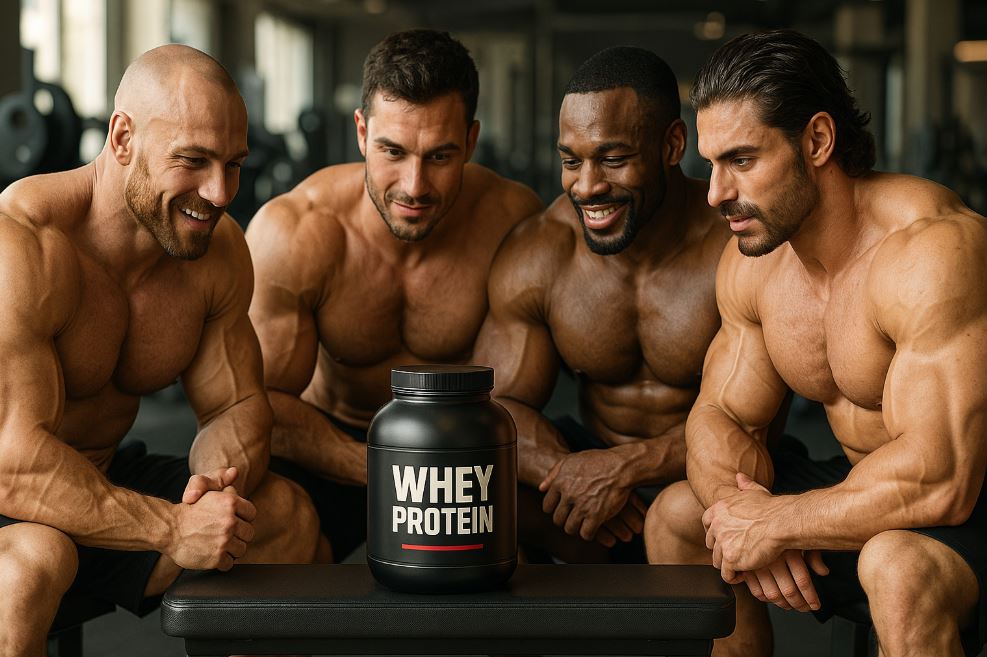
In the world of bodybuilding and sports nutrition, whey protein stands out as one of the most researched and widely used supplements. Its unmatched amino acid profile, fast absorption, and versatility make it a foundational tool for anyone looking to build muscle, recover faster, and perform at their peak.
As a coach, I consider whey protein a “basic necessity” for my athletes — not because it’s magic, but because it consistently delivers measurable results when paired with smart training and nutrition.
What is Whey Protein? — Definition and Origins
Whey protein is a byproduct of milk processing, traditionally obtained during cheese production. When milk is coagulated to make cheese, the liquid portion that separates from the curds contains whey protein, along with water, lactose, minerals, and small amounts of fat.
Over time, processing methods evolved, allowing manufacturers to isolate, filter, and refine whey into concentrated protein powders with varying levels of purity.
Why Whey Protein is Essential for Bodybuilders
Bodybuilders and strength athletes rely on whey protein for its rapid digestion and high content of essential amino acids, particularly leucine — the key trigger for muscle protein synthesis (MPS). Because training breaks down muscle tissue, providing the body with a fast-absorbing protein source helps kickstart the repair and growth process [3].
💡 Coach’s note: When my clients increase their post-workout protein intake with whey, I almost always see faster recovery times and improved performance within a few weeks.
Nutritional Profile of Whey Protein
Whey protein is rich in essential amino acids, including all three branched-chain amino acids (BCAAs): leucine, isoleucine, and valine. It also contains bioactive compounds such as lactoferrin, glycomacropeptides, and immunoglobulins, which may support immune health and recovery [7].
The exact nutritional content varies depending on the type of whey protein, with differences in protein percentage, lactose, and fat content.
| Type | Protein % (by weight) | Lactose | Fat | Leucine Content | Bioactive Compounds | Absorption Speed | Processing Method | Best Use |
|---|---|---|---|---|---|---|---|---|
| Whey Concentrate | 70–80% | Moderate | 3–5% | High | High | Medium | Filtration (micro/ultra) | Everyday use, budget-friendly |
| Whey Isolate | 90%+ | Low | <1% | Very High | Moderate–High | Fast | Advanced filtration / ion-exchange | Post-workout, lactose-sensitive |
| Whey Hydrolysate | 80–90% | Very Low | <1% | Very High | Low–Moderate (partially broken) | Fastest | Enzymatic hydrolysis | Elite recovery, medical nutrition |
| Native Whey | 90%+ | Low | <1% | Highest | Highest (undenatured) | Fast | Cold microfiltration from fresh milk | Maximum purity & bioactivity |
| Whey Blend | 75–90% | Varies | Varies | High–Very High | Moderate–High | Multi-phase | Mixed (filtration + hydrolysis) | Versatile, all-day coverage |
Amino Acids and Whey Protein
Whey protein is considered a complete protein, meaning it contains all nine essential amino acids (EAAs) that the body cannot produce on its own. These amino acids — including leucine, isoleucine, valine (the BCAAs), as well as histidine, lysine, methionine, phenylalanine, threonine, and tryptophan — are critical for muscle growth, tissue repair, hormone production, and overall health.
This complete amino acid profile is one of the key reasons whey protein is so effective for bodybuilding and athletic performance. In particular, whey’s high leucine content is unmatched among common dietary proteins, giving it a unique advantage in stimulating muscle protein synthesis.
In contrast, many plant-based protein sources are incomplete, meaning they lack one or more of the essential amino acids. For example, grains tend to be low in lysine, while legumes can be low in methionine. While combining different plant proteins (such as rice and pea protein) can create a complete profile, whey protein offers all the essential amino acids naturally, without the need for blending.
💡 Coach’s note: For athletes on a plant-based diet, I often recommend combining multiple plant proteins to replicate the completeness of whey — but for those who consume dairy, whey remains the most convenient and practical option.
The Science Behind Whey Protein and Muscle Growth
Whey protein stimulates muscle growth through activation of the mTOR signaling pathway, primarily driven by its high leucine content. This process accelerates muscle protein synthesis, helping to repair and build new muscle fibers after training.
Multiple studies have shown that consuming whey protein after resistance exercise enhances both short-term recovery and long-term muscle gains compared to other protein sources.
Types of Whey Protein (Quick Overview)
Whey protein comes in several forms, each with unique characteristics. The processes used to filter and refine whey determine its final composition, purity, and functional properties.
Here’s a quick summary — with links to detailed guides on each type:
- Whey Protein Concentrate – Contains 70–80% protein, retains more bioactive compounds, and is slightly higher in lactose.
- Whey Protein Isolate – Contains 90%+ protein, lower in lactose and fat, ideal for lactose-sensitive individuals.
- Whey Protein Hydrolysate – Pre-digested for fastest absorption, often used in elite sports and clinical nutrition.
- Native Whey Protein – Sourced directly from fresh milk, with the highest purity and bioactivity.
- Whey Protein Blend – Combines multiple whey types for multi-phase absorption and versatility.
| Type | Protein % | Lactose | Fat | Absorption Speed | Best Use |
|---|---|---|---|---|---|
| Whey Concentrate | 70–80% | Moderate | 3–5% | Medium | Everyday use, budget-friendly |
| Whey Isolate | 90%+ | Low | <1% | Fast | Post-workout, lactose-sensitive |
| Whey Hydrolysate | 80–90% | Very Low | <1% | Fastest | Elite recovery, medical use |
| Native Whey | 90%+ | Low | <1% | Fast | Maximum purity & bioactivity |
| Whey Blend | 75–90% | Varies | Varies | Multi-phase | Versatile, all-day coverage |
Benefits of Whey Protein for Bodybuilding and Sport
Beyond its role as a convenient protein source, whey protein offers a range of performance and health benefits that make it a staple in bodybuilding and athletic nutrition.
- Muscle Growth & Strength Gains – Whey protein is rich in leucine, the amino acid most responsible for triggering muscle protein synthesis (MPS). By consuming whey after resistance training, you provide your muscles with a rapid influx of amino acids that stimulate repair and hypertrophy. Over time, this leads to measurable gains in both muscle size [3] and strength.
- Faster Recovery – Intense training creates micro-tears in muscle fibers, leading to soreness and fatigue. Whey’s fast digestion and high-quality protein profile accelerate the repair process, reducing post-workout soreness (DOMS) and allowing for more frequent and intense training sessions [5].
- Convenience & Versatility – Whey protein powder can be prepared in seconds, making it a perfect option for busy athletes and those on the go. It can be consumed post-workout, as a between-meal snack, or even added to recipes like oatmeal, smoothies, or pancakes for an easy protein boost.
- Weight Management Support – Protein is the most satiating macronutrient, and whey protein in particular helps control appetite [4] by promoting the release of hormones such as peptide YY and GLP-1, which reduce hunger. This makes it easier to maintain a calorie deficit while preserving lean muscle mass during fat loss phases.
- Immune System Boost – Whey contains bioactive compounds like lactoferrin, immunoglobulins, and beta-lactoglobulin, which may help strengthen the immune system. These compounds support the body’s defense mechanisms, which is especially beneficial during intense training blocks when immune function can be compromised.
💡 Coach’s note: In practice, I often see whey help beginners stick to their protein goals simply because it makes meeting daily targets so much easier.

Potential Side Effects and Risks
While whey protein is generally safe and well-tolerated by most people, it’s important to be aware of potential side effects and limitations. Understanding these risks allows you to make informed decisions about supplementation and tailor your intake to your body’s needs.
- Digestive Discomfort – Some individuals, particularly those sensitive to lactose, may experience bloating, gas, cramps, or diarrhea when consuming whey protein, especially whey concentrate. This is due to its residual lactose content. Switching to whey isolate or hydrolysate, which contains minimal lactose, often alleviates these symptoms. In more sensitive cases, using lactase enzyme supplements can further improve tolerance.
- Lactose Content – The amount of lactose in whey protein depends on its type and processing method. Concentrate contains the most lactose, isolate contains significantly less, and hydrolysate contains very little. For those with mild lactose intolerance, isolate or hydrolysate may still be suitable, but individuals with severe intolerance may need to avoid whey altogether and choose a non-dairy protein alternative.
- Allergic Reactions – People with a milk protein allergy (distinct from lactose intolerance) can react to the casein or whey proteins in dairy. Symptoms may include skin rashes, swelling, or respiratory difficulty [2]. This is a serious condition that requires avoiding all dairy-derived proteins and opting for plant-based or hypoallergenic protein powders.
- Quality Concerns – Not all whey protein supplements are created equal. Some low-cost brands may include fillers, non-protein nitrogen sources (“protein spiking”), or excessive amounts of artificial sweeteners and flavors [2]. These additives can reduce the product’s nutritional value and, in some cases, cause digestive or metabolic issues. Always check for third-party testing and reputable manufacturing standards.
💡 Coach’s note: I always remind my clients that while whey is a fantastic supplement, it’s still processed food. Choosing high-quality, transparently labeled products and monitoring your body’s response will help you get all the benefits without the unwanted side effects.
Whey Protein Pros
Whey Protein Cons
How to Choose the Right Whey Protein for Your Goals
Choosing the right whey depends on your training phase, digestive tolerance, and budget:
- For rapid recovery after intense training – Whey Hydrolysate or Isolate
- For everyday use and budget-friendliness – Whey Concentrate or Blend
- For maximum purity and bioactivity – Native Whey Protein
💡 Coach’s note: I tell my athletes to match their whey type to their current goal — not all whey needs are the same.
Recommended Dosage and Timing
Most bodybuilders benefit from 20–30 grams of whey protein per serving. The most effective timing [6] is:
- Post-workout – To maximize recovery.
- Between meals – To maintain a steady flow of amino acids.
- Before bed – For sustained overnight muscle repair (blends or with casein).
💡 Coach’s note: Consistency matters more than timing — missing daily protein targets is worse than missing the “perfect” window.

Best Supplement Stacks with Whey Protein
- Whey + Creatine Monohydrate – This is one of the most researched and proven supplement combinations for strength and hypertrophy. Whey supplies the amino acids for muscle repair and growth, while creatine increases phosphocreatine stores in the muscles, enabling you to perform more reps or lift heavier weights. Together, they create an optimal environment for both immediate performance enhancement and long-term muscle gain.
- Whey + Beta-Alanine – Beta-alanine increases intramuscular carnosine levels, which buffer acid build-up during high-intensity exercise. Pairing it with whey ensures your muscles have the amino acids they need to recover after pushing through fatigue. This stack is especially effective for athletes in sports that require repeated bursts of high effort, like CrossFit, sprinting, or bodybuilding circuits.
- Whey + Casein – Combining fast-digesting whey with slow-digesting casein provides both immediate and sustained amino acid delivery. This is ideal for periods when you won’t be eating for a while, such as before bed, to keep your body in an anabolic state overnight. Whey kickstarts protein synthesis, while casein maintains it for hours.
- Whey + BCAA – While whey already contains all the essential amino acids, adding extra BCAAs can be beneficial during fasted training or when you want to top up leucine levels between meals. This ensures muscle protein synthesis remains elevated, especially during calorie deficits.
- Whey + Grape Sugar (Dextrose) + Creatine – Adding a fast-digesting carbohydrate like grape sugar to your post-workout whey and creatine shake can spike insulin levels, which may help shuttle creatine and amino acids into the muscles more efficiently. This combination is beneficial after intense training sessions when glycogen stores are depleted and rapid recovery is a priority.
💡 Coach’s note: I’ve used all of these stacks with clients, but the choice depends on the training phase. For example, I push the whey + creatine combo year-round, add beta-alanine for endurance-heavy programs, and reserve the whey + grape sugar + creatine stack for heavy lifting days or post-competition recovery.
Health Benefits of Taking Whey Protein
Aside from promoting muscle growth and recovery, whey protein offers several additional health benefits supported by scientific research. Its unique composition and high bioavailability make it valuable not only for athletes but also for overall wellness. Here are some key health-related advantages:
- Supports Immune Function – Whey protein contains bioactive compounds such as lactoferrin and immunoglobulins [1], which can help strengthen the immune system and protect against infections.
- Aids in Weight Management – By increasing satiety and reducing appetite, whey protein can help control caloric intake and support fat loss while preserving lean muscle mass.
- Helps Regulate Blood Sugar – Consuming whey protein before or with meals may improve insulin sensitivity and moderate post-meal blood sugar spikes, which is beneficial for people with type 2 diabetes or insulin resistance.
- Promotes Bone Health – High-quality protein intake, including whey, supports bone density and overall skeletal strength, which is essential for long-term mobility and injury prevention.
- Supports Cardiovascular Health – Some studies suggest that whey protein can help lower blood pressure and improve lipid profiles, contributing to heart health.
💡 Coach’s note: I’ve worked with clients who initially took whey just for muscle gains, but many reported side benefits such as fewer colds, better appetite control, and improved energy levels throughout the day.
Myths and Misconceptions about Whey Protein
| Myth | Reality | Coach’s Note |
|---|---|---|
| “Whey protein damages kidneys.” | In healthy people, normal whey intake doesn’t impair kidney function; issues arise mainly with pre‑existing kidney disease. | Screen clients with kidney problems and consult a physician; otherwise, hit protein targets confidently. |
| “Whey makes you bulky overnight.” | Muscle gain requires progressive training and sustained surplus/protein over weeks and months, not one shake. | Track volume, sleep, and calories — that’s what moves the needle, not magic powders. |
| “Whey is only for men.” | Women benefit equally from whey for strength, lean mass retention, and recovery. | I program whey for female athletes year‑round, especially during fat‑loss phases. |
| “All whey proteins are the same.” | Concentrate, isolate, hydrolysate, native, and blends differ in lactose, purity, speed, and bioactive fractions. | Match the type to the goal: isolate/hydrolysate post‑workout, blends for versatility, native for purity. |
| “You must drink whey within 30 minutes or it’s wasted.” | The “anabolic window” is wider (≈2–3 h post‑training); total daily protein matters most. | I prioritize hitting daily protein targets over chasing the clock. |
| “More protein is always better.” | Excess beyond needs doesn’t equal more muscle; optimize at ~1.6–2.2 g/kg/day for lifters. | Distribute 3–5 protein feedings/day with ~0.3–0.5 g/kg per meal. |
| “Lactose‑intolerant people can’t use whey.” | Many tolerate whey isolate or hydrolysate (very low lactose); severe cases need non‑dairy alternatives. | I trial isolate first; if symptoms persist, switch to lactose‑free or plant blends. |
| “Whey causes acne or hair loss in everyone.” | Evidence is mixed; some individuals may be sensitive, but it’s not universal or inevitable. | Monitor skin/scalp response; adjust dose/type or switch protein source if needed. |
| “Whey replaces whole meals.” | Shakes supplement — they don’t provide the fiber, micronutrients, and satiety of balanced meals. | Use whey to plug gaps; keep meals anchored to whole foods. |
| “Heating destroys whey protein.” | Cooking may denature structure but doesn’t eliminate amino acids — it still counts toward protein intake. | I bake with whey for variety; performance impact is negligible for most lifters. |
Conclusion
Whey protein is more than just a post-workout shake — it’s a flexible, research-backed supplement that supports muscle growth, recovery, and performance. Whether you choose concentrate, isolate, hydrolysate, native whey, or a blend, the key is to select the type that best fits your goals, budget, and dietary needs.
💡 Coach’s final word: I’ve seen whey protein help athletes of all levels achieve their targets faster — but remember, it works best as part of a consistent, well-structured training and nutrition plan. You may not build the monumental mass of Ronnie Coleman or Lou Ferrigno, but whey protein will still fuel your recovery and steady muscle gains.
All information in this article is grounded in reputable scientific research and has been carefully reviewed by qualified experts in the field. Our aim is to present accurate, balanced, and transparent content, providing readers with well-rounded insights that consider different perspectives.
Throughout the article, you will find numbered citations (1, 2, 3) that link directly to peer-reviewed studies and credible scientific sources, allowing you to explore the evidence in greater depth.
The information provided in this article is intended for general informational and educational purposes only. It should not be considered medical advice or a substitute for professional consultation. Dietary supplements are not meant to diagnose, treat, cure, or prevent any disease, and their effectiveness may vary between individuals.
Always consult a qualified healthcare professional before starting any new supplement regimen—especially if you are under 18, pregnant, breastfeeding, have a medical condition, or take prescription medications.
The author and the Bodybuilding Wizard website are not responsible for any health issues, side effects, or adverse outcomes resulting from the use or misuse of supplements discussed herein. Use supplements only as directed by the manufacturer and prioritize a balanced diet, proper training, and recovery as the foundation of your fitness journey.
