


Introduction
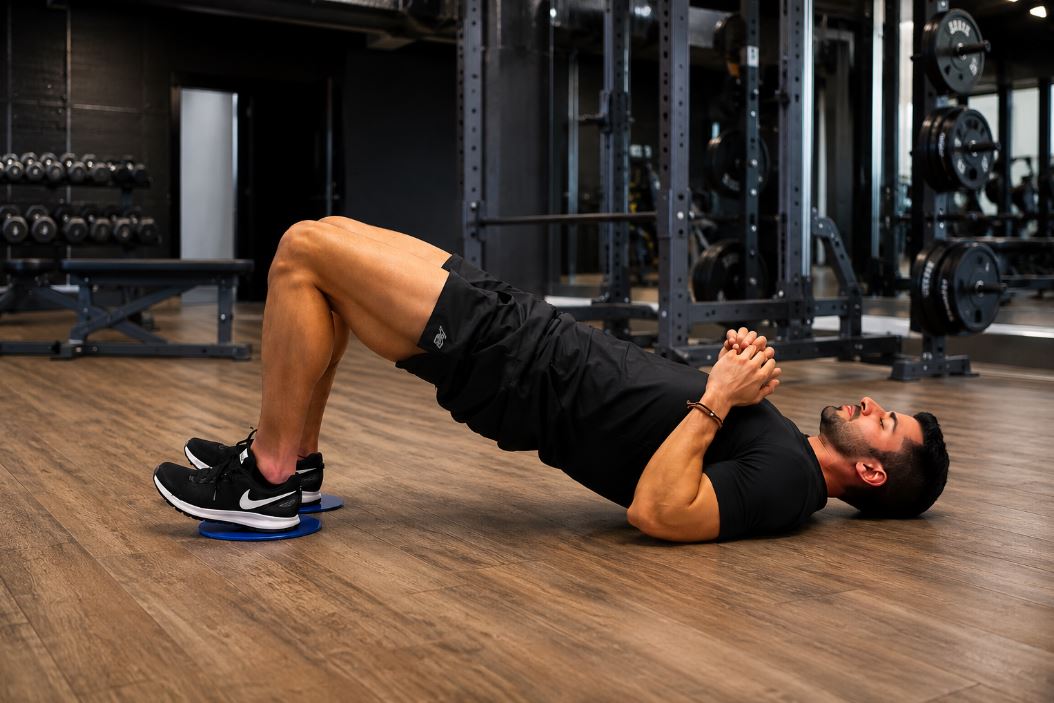
The sliding leg curl is one of the most effective bodyweight hamstring exercises for developing posterior-chain strength, eccentric control, and core stability using minimal equipment. By sliding the feet across the floor while maintaining elevated hips, the exercise heavily challenges the hamstrings through simultaneous knee flexion and hip stabilization.
Although the movement looks simple, sliding leg curls quickly become extremely demanding because the hamstrings must control both the concentric pulling phase and the eccentric lowering phase while the glutes and core stabilize the pelvis throughout the exercise.
One of the biggest advantages of the sliding leg curl is accessibility. The movement can be performed using furniture sliders, towels, socks on smooth flooring, or specialized sliding discs, making it an excellent option for home workouts and minimalist training setups.
The exercise is also highly valuable for athletic performance and injury prevention because it develops eccentric hamstring strength — a key factor in sprinting, deceleration, and reducing the risk of hamstring strain. Compared to many machine-based hamstring exercises, sliding leg curls often feel more athletic, integrated, and stabilization-focused.
Required Equipment
To perform the sliding leg curl correctly, you need:
- Sliding discs, furniture sliders, towels, or socks
- Smooth floor surface
- Exercise mat (optional for comfort)
One of the biggest advantages of the sliding leg curl is that it requires almost no specialized equipment. Most people can perform the exercise at home using simple household items, depending on the type of flooring available.
Compared to stability ball leg curls, sliding leg curls often create greater hamstring tension because the feet remain in constant contact with the floor, increasing friction and resistance during both the concentric and eccentric phases.
Other Names for the Sliding Leg Curl
This exercise may also be referred to as:
- Sliding Hamstring Curl
- Slider Leg Curl
- Bodyweight Sliding Leg Curl
- Hamstring Slider Curl
- Sliding Floor Leg Curl
Although the terminology varies slightly, all versions involve sliding the feet toward the body while maintaining elevated hips and tension in the posterior chain.
How to Perform the Sliding Leg Curl
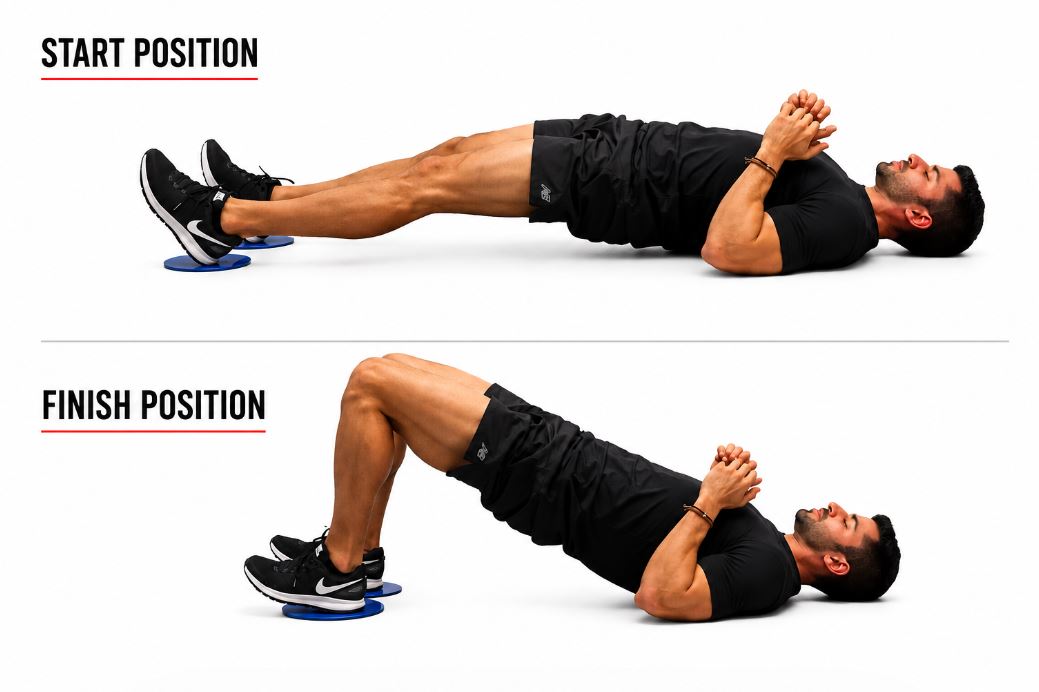
Starting Position (Setup)
Proper setup is critical because maintaining elevated hips and posterior-chain tension throughout the movement greatly affects exercise difficulty and hamstring recruitment.
- Lie on your back with your arms resting beside your body.
- Place your heels on sliders, towels, or a smooth sliding surface.
- Keep the legs extended and toes pointing upward.
- Press the heels into the floor and lift the hips into a bridge position.
- Brace the core and squeeze the glutes before beginning the movement.
- Maintain a straight line from the shoulders through the hips to the ankles.
At the start of the exercise, the hips should remain elevated rather than resting on the floor.
Execution (Movement Phase)
- Initiate the movement by flexing the knees and pulling the heels toward the glutes.
- Keep the hips elevated throughout the entire curl.
- Continue sliding until the knees are fully flexed.
- Pause briefly and squeeze the hamstrings at peak contraction.
- Slowly extend the legs back to the starting position under full control.
- Maintain constant posterior-chain tension during both phases.
The eccentric lowering phase should be especially slow and controlled because this is where much of the hamstring training stimulus occurs.
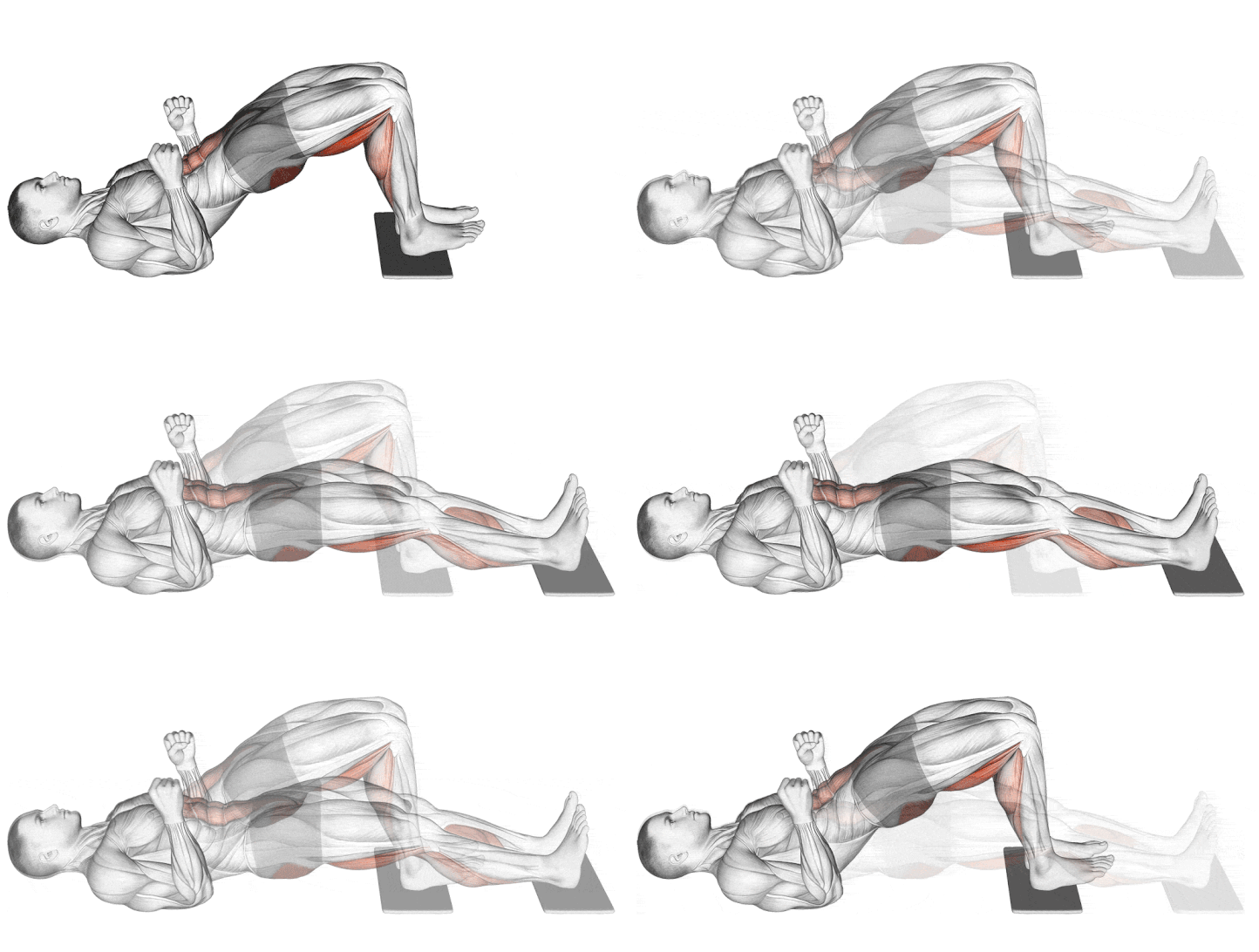
Technique Optimization Tips for the Sliding Leg Curl
The sliding leg curl places significant demands on hamstring endurance, eccentric control, and pelvic stability, making strict technique especially important.
- Keep the hips elevated throughout the set.
- Avoid arching the lower back excessively.
- Control the eccentric phase slowly.
- Maintain full-body tension during the movement.
- Pull through the heels rather than the toes.
- Avoid letting the knees flare excessively outward.
- Focus on smooth movement instead of speed.
A highly effective cue is: “Drag the heels toward the glutes while keeping the hips high.”
Mechanical Resistance Analysis
The sliding leg curl differs from many machine-based hamstring exercises because resistance is generated by bodyweight leverage, friction, and eccentric control rather than by external weights.
During the concentric phase, the hamstrings flex the knees while the glutes and core stabilize the pelvis in the bridge position. During the eccentric phase, the hamstrings must resist leg extension slowly while maintaining hip stability, thereby creating substantial posterior chain tension.
Compared to stability ball leg curls, sliding variations often produce more direct hamstring loading because the feet remain in constant friction contact with the floor instead of rolling freely on an unstable surface. This typically substantially increases eccentric challenge and muscular fatigue.
Common Mistakes
Although the sliding leg curl uses only bodyweight resistance, poor execution can quickly reduce hamstring activation and place unnecessary stress on the lower back.
- Allowing the hips to drop during the movement
- Sliding too quickly without eccentric control
- Hyperextending the lower back
- Pulling primarily with the calves instead of the hamstrings
- Losing core tension throughout the set
- Using a short, incomplete range of motion
- Letting the feet rotate excessively outward
One of the biggest mistakes is lowering the hips as fatigue increases. This dramatically reduces posterior chain tension, making the exercise much easier.
Muscles Involved in the Sliding Leg Curl
Although the exercise primarily targets the hamstrings, multiple muscle groups must work together to maintain stability and proper body positioning throughout the movement.
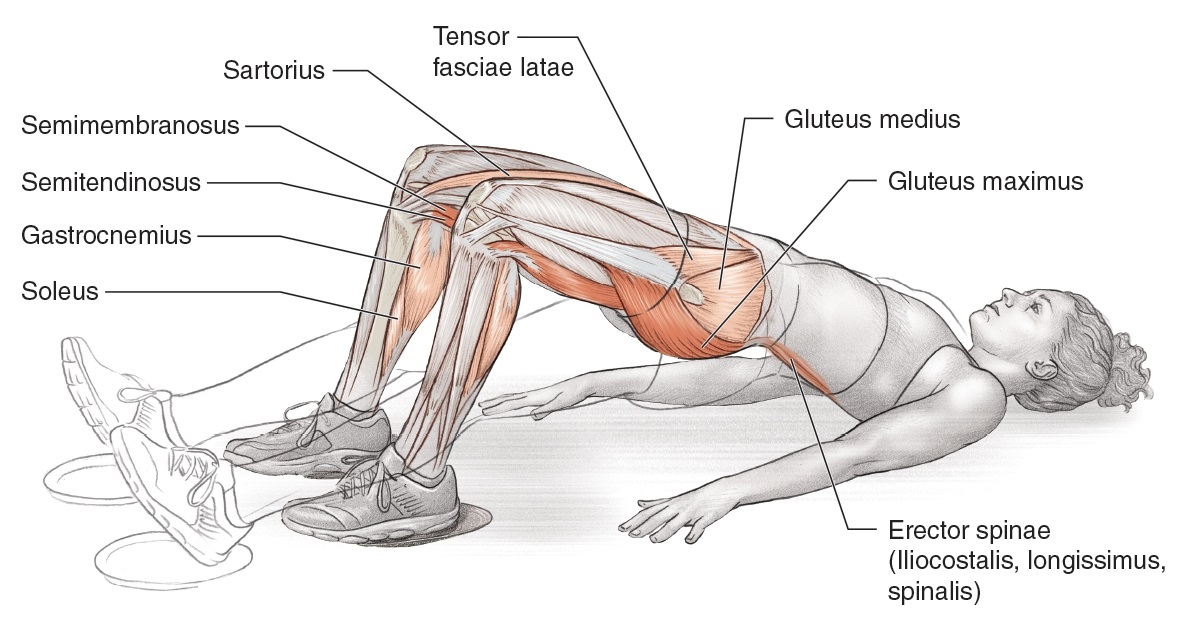
MAIN MUSCLES:
SECONDARY MUSCLES:
Gastrocnemius, spinal erectors
STABILIZERS:
Core musculature, obliques, gluteus medius
ANTAGONISTS:
Sliding Leg Curl Pros and Cons
The sliding leg curl is one of the best bodyweight hamstring exercises because it combines eccentric strengthening, core stabilization, and posterior-chain integration with minimal equipment requirements.
Advantages
- Excellent eccentric hamstring training
The lowering phase creates substantial eccentric posterior-chain tension. - Minimal equipment required
The exercise can be performed at home using sliders, towels, or socks on smooth flooring. - Strong core and glute involvement
Maintaining elevated hips requires continuous stabilization throughout the movement. - Very effective for injury prevention
Eccentric hamstring strengthening is strongly associated with a reduced risk of hamstring strain. - Excellent home workout option
The movement is highly accessible for people without gym equipment.
Potential Drawbacks
Despite its benefits, the sliding leg curl also has limitations.
- Very challenging for beginners
Many people initially struggle to maintain elevated hips and eccentric control. - Limited maximal loading potential
Advanced strength progression is more difficult compared to weighted exercises. - Floor surface matters greatly
Some flooring types make the exercise awkward or impractical. - Hamstring cramping is common initially
Weak posterior chain endurance often leads to cramps during early phases of adaptation.
Sliding leg curls are one of those exercises that look deceptively easy until you actually try to maintain elevated hips with strict eccentric control. Many strong lifters are surprised by how quickly the hamstrings fatigue during properly executed sets.
As a coach working with athletes and home-gym clients, I especially like sliding leg curls because they develop real posterior-chain control and eccentric hamstring strength without requiring heavy spinal loading or expensive equipment.
Sliding Leg Curl Variations
Small changes in setup, body position, or unilateral loading can dramatically alter the exercise’s difficulty and training emphasis.
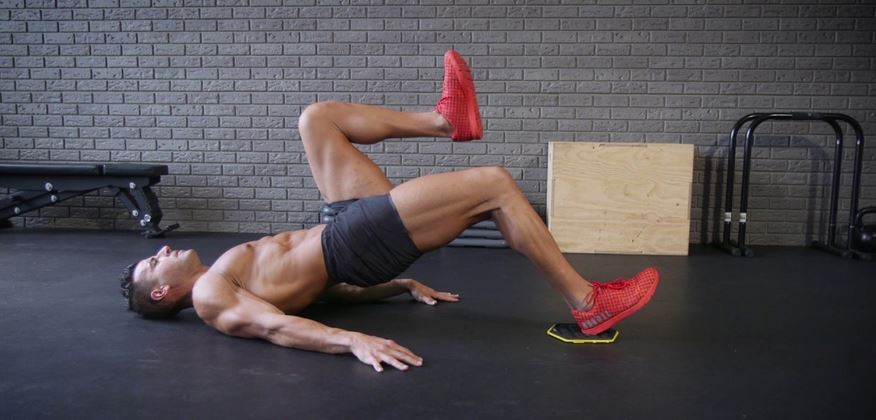
Single-Leg Sliding Leg Curl
The unilateral version greatly increases hamstring loading, demands on hip stability, and posterior-chain coordination while also exposing left-to-right imbalances.
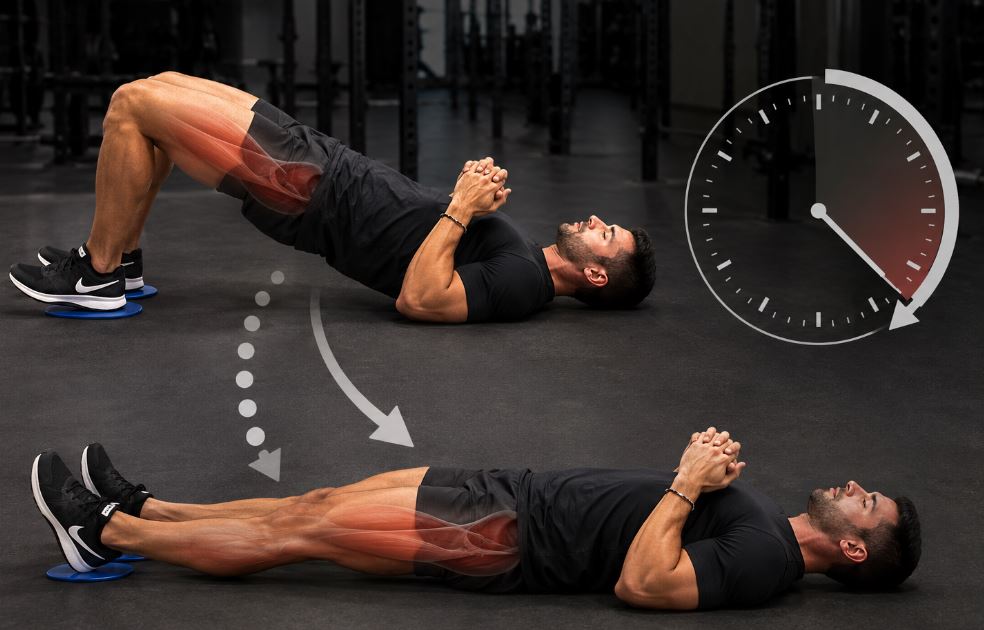
Sliding Leg Curl with Tempo Eccentrics
Very slow lowering phases dramatically increase eccentric tension and time under tension in the hamstrings.
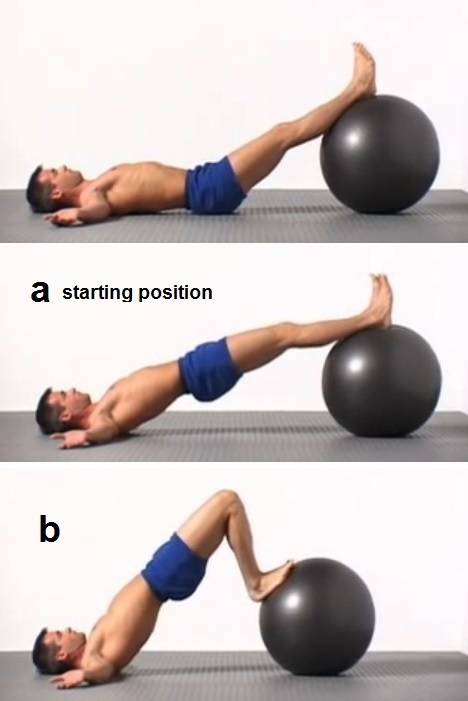
Stability Ball Leg Curl
The stability ball variation introduces greater instability and core activation while slightly reducing friction-based resistance.
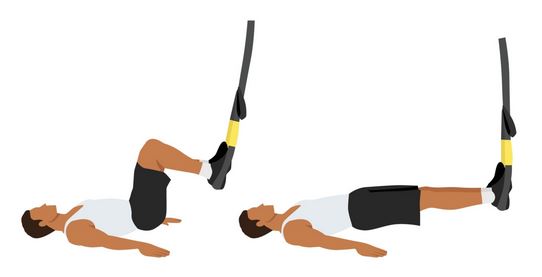
Suspension Trainer Hamstring Curl
Suspension trainers further increase instability and place enormous demands for stabilization throughout the posterior chain.
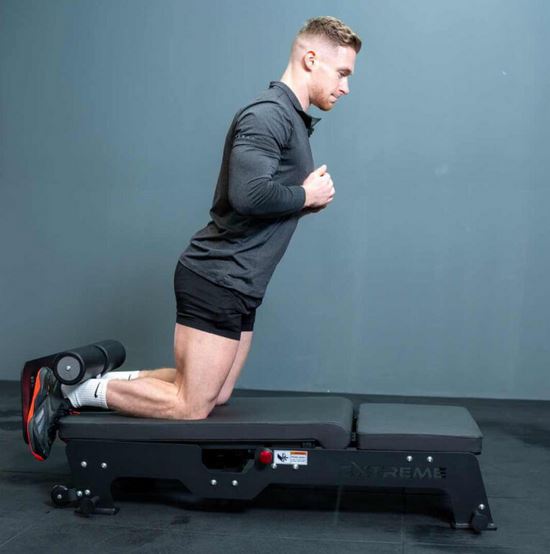
Nordic Hamstring Curl
The Nordic curl is a more advanced eccentric-focused bodyweight hamstring exercise with even greater loading demands.
Alternative Exercises for Hamstring Development
Although the sliding leg curl is highly effective for bodyweight posterior-chain training, combining it with machine and hip-hinge exercises usually produces more complete hamstring development.
Lying Leg Curl
The lying leg curl provides stable bilateral hamstring isolation and allows greater external loading with minimal balance demands.

Standing Leg Curl
The standing leg curl trains each hamstring independently while improving unilateral control and reducing side-to-side strength imbalances.

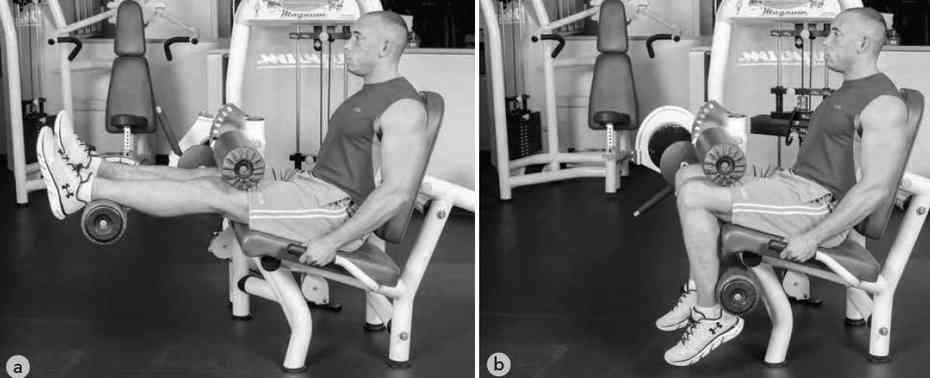
Seated Leg Curl
The seated leg curl isolates the hamstrings through knee flexion while placing them under greater stretch due to hip flexion.
Dumbbell Lunge
Using longer strides and a slight forward torso lean during dumbbell lunges increases hamstring and glute involvement while simultaneously training balance and lower-body coordination.

Sliding Leg Curl vs Stability Ball Leg Curl
Both exercises are excellent bodyweight hamstring movements that combine knee flexion with core stabilization. However, the way resistance and instability are created significantly changes the training emphasis.
Conclusion: Both exercises are excellent for hamstring and posterior-chain development. Sliding leg curls generally create greater eccentric tension and direct hamstring fatigue, while stability ball leg curls place higher demands on balance and full-body stabilization.
Why Bodyweight Hamstring Training Is Often Underestimated
Many lifters assume bodyweight hamstring exercises are too easy for serious posterior-chain development. In reality, movements like sliding leg curls and Nordic curls can produce enormous eccentric loading and muscular fatigue despite using no external weights.
This happens because the hamstrings must simultaneously control knee flexion, stabilize the hips, and resist bodyweight leverage through long ranges of motion. In many cases, the limiting factor becomes posterior-chain endurance and neuromuscular control rather than absolute strength.
Bodyweight hamstring training is especially valuable for athletes because sprinting and athletic movement patterns depend heavily on eccentric control and stabilization rather than isolated machine strength alone.
Final Thoughts
The sliding leg curl is one of the best minimalist hamstring exercises for developing posterior-chain strength, eccentric control, and core stability using almost no equipment.
When performed with elevated hips, slow eccentrics, and strict positioning, the exercise can become surprisingly difficult while providing exceptional carryover for athletic performance, injury prevention, and overall hamstring development.
Why do sliding leg curls create so much hamstring soreness?
Sliding leg curls heavily emphasize eccentric hamstring loading while simultaneously forcing the hips to remain elevated. This combination creates prolonged tension in the lengthened position, which is one of the strongest triggers for delayed-onset muscle soreness (DOMS).
Are sliding leg curls effective enough to replace machine leg curls?
For many people, yes — especially in home workouts or athletic training. Sliding leg curls provide excellent hamstring activation, eccentric strengthening, and core involvement, although machine curls still allow easier progressive overload with heavier resistance.
Why do the hamstrings cramp so often during sliding leg curls?
The hamstrings must stabilize the hips while simultaneously flexing the knees against bodyweight resistance. Weak posterior chain endurance, fatigue, dehydration, or a lack of eccentric strength often contribute to cramping.
Should the hips stay elevated during the entire exercise?
Absolutely. Keeping the hips elevated maintains continuous posterior-chain tension and dramatically increases hamstring recruitment. Dropping the hips reduces the difficulty and overall effectiveness of the exercise.
Are sliding leg curls good for sprint performance?
Yes. Sprinting requires strong eccentric hamstring control during deceleration and late swing phases. Sliding leg curls train this function very effectively while also improving posterior-chain coordination and pelvic stability.
Why do sliding leg curls feel harder than they look?
Most people underestimate how difficult it is to maintain hip extension while controlling knee flexion under bodyweight leverage. The exercise combines strength, endurance, stabilization, and eccentric control simultaneously.
Are sliders better than stability balls for hamstring training?
Neither is universally superior — they simply emphasize different qualities. Sliding leg curls usually create greater direct hamstring tension and eccentric challenge, while stability ball curls place more emphasis on instability and balance control.
Can sliding leg curls help protect the knees?
Potentially yes. Strong hamstrings help stabilize the knee joint by controlling tibial movement and absorbing force during running, jumping, and deceleration. Eccentric hamstring training is particularly important for knee health and athletic resilience.
