


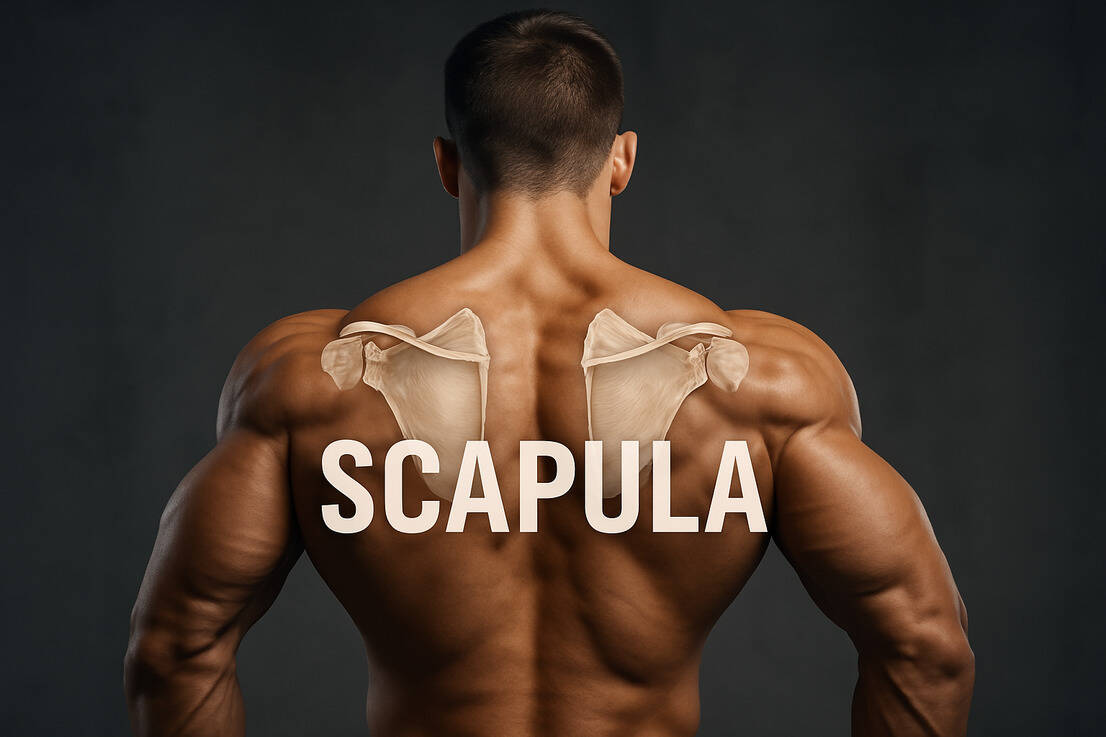
Understanding the skeletal system is crucial for everyone, especially fitness enthusiasts and bodybuilders. This article discusses the anatomy and function of the scapula, commonly known as the shoulder blade. By exploring its structure, location, and role in physical movement, you’ll gain valuable insight into how this essential bone supports your active lifestyle.
The scapula is crucial in shoulder mechanics and overall upper body strength.
Knowing about the anatomy of the scapula helps prevent injuries and enhances performance. It is a key component in various sports and bodybuilding, where efficiency and injury prevention are top priorities.
What is the scapula?
The scapula, more commonly known as the shoulder blade, is a bone in the shoulder that plays a crucial role in its structure. It’s one of the trio of bones that form the shoulder joint, linking the clavicle (the collarbone) to the humerus (the upper arm bone).
Its unique shape and position enable it to act as both a pivot and stabilizer, essential for various movements like shrugging or throwing. The scapula is the keystone for connecting the arm to the rest of the body, allowing for a wide range of motion while maintaining stability.
The scapula, also known as the shoulder blade, is a flat, triangular bone situated in the upper back between ribs two to seven. As a crucial component in the human skeletal system, it serves as the foundation for shoulder movement and upper body support. Its unique shape and position enable it to act as both a pivot and stabilizer, essential for various movements like shrugging or throwing. The scapula is the keystone for connecting the arm to the rest of the body, allowing for a wide range of motion while maintaining stability.

Brief anatomy of the scapula
A. Location of the Scapula
The scapula is located in your upper back. It sits over the ribs, between the second and seventh ones. This position allows it to connect with other bones in the shoulder. You can feel it when you move your arms.
Humans have two shoulder blades (also known as scapulae), one on each side of the chest.
B. Appearance of the Scapula
The scapula boasts a distinctive flat and triangular shape. It resembles a wing, nestled on each side of your upper back, like a thin, curved plate that supports various movements. This bone’s unique design enables it to fit perfectly against the ribs, providing a sturdy yet flexible foundation for shoulder and arm activities.
Although it is a single bone, the scapula features three distinct surfaces:
Costal (Anterior) Surface
The scapula’s costal, or anterior, surface is the side facing your ribs. It is slightly concave. This curve allows for a close fit against the rib cage. It also offers space for essential muscles like the subscapularis to attach.
Lateral Surface
The lateral surface is the side facing outward. It features the glenoid cavity, where the scapula forms a joint with the humerus. This cavity is crucial for shoulder mobility and allows a wide range of arm movements.
Posterior (Inferior) Surface
The posterior, or inferior, surface is the back side. This surface is broader and flatter and hosts important muscles like the trapezius and deltoid. These muscles help lift and rotate the arm.
C. Size of the Scapula
The scapula is not very large. It is roughly six to seven inches wide and about four inches tall. Its size can vary among individuals. Despite being small, it plays a big role in shoulder movements.
D. Muscles Attached to the Shoulder Blade
The scapula is crucial in connecting numerous muscles that facilitate a wide range of shoulder and arm movements. Below, you’ll find a list detailing the muscles that insert into the scapula as well as those that have their origin on the humerus:
Muscles Inserting into the Scapula:
- Trapezius
- Rhomboid Major and Minor
- Serratus Anterior
- Levator Scapulae
- Pectoralis Minor
Muscles Originating from the Scapula:
- Supraspinatus
- Infraspinatus
- Teres Minor
- Teres Major
- Subscapularis
- Deltoid
- Long head of the Triceps Brachii
- Short head of the Biceps Brachii
- Coracobrachialis
Tendons Connected to the Scapula
Below is a list of tendons attached to the scapula:
- Supraspinatus Tendon
- Infraspinatus Tendon
- Teres Minor Tendon
- Subscapularis Tendon
- Biceps Brachii Long Head Tendon
- Teres Major Tendon
E. Blood Supply to the Scapula
The scapula gets its blood from several arteries. These arteries ensure that the bones and muscles in the region receive the nutrients they need. Here’s a quick look at the key players:
- Suprascapular Artery: It supports the upper part of the scapula.
- Dorsal Scapular Artery: Supplies blood to the medial border.
- Subscapular Artery: Serves the lower and back areas.
F. Innervation
The scapula receives nerve signals through several important nerves. The cervical plexus, which includes C3 and C4 nerves, plays a role here. Additionally, the dorsal scapular nerve contributes to its innervation. The spinal accessory nerve is responsible for innervating the trapezius muscle. This muscle helps move your shoulder blade. The long thoracic nerve, from the fifth and seventh cranial nerves, also connects to this area. These nerves work together to help you move your arm and shoulder smoothly.

Functions of the Scapula
Support and Stability
The scapula is crucial in providing support and stability to your upper body. It is a foundational base stabilizing the shoulder joint, allowing you to maintain posture and balance during various activities.
Facilitating Movement
The scapula is essential for many motions as a flexible, movable bone. It enables movements such as shrugging, lifting, and rotating your arm, which are necessary for everyday tasks and athletic activities.
Muscle Attachment
Numerous muscles attach to the scapula, forming vital connections that contribute to its function. These muscles are responsible for moving your arms and shoulders and maintaining the position of your scapula during motion.
Joint Articulation
The scapula is integrally involved in the glenohumeral and acromioclavicular joints. This articulation with other bones, such as the humerus and clavicle, allows for a wide range of shoulder movements essential in dynamic actions like throwing or pushing.
Shock Absorption
Because of its unique positioning and design, the scapula acts as a shock absorber for your shoulder, protecting the bones and joints from the impact and stresses of physical activity.
Chest protection
This bone’s strategic design also protects your chest, serving as a natural barrier that supports and shields vital organs.
Forming Part of Your Shoulder Joint
The scapula forms an integral part of your shoulder joint, interacting seamlessly with other bones to enable a wide range of arm movements.
Interactions with other bones
The scapula connects with some important bones. It forms a joint with the humerus, called the glenohumeral joint. This is where your shoulder moves. It also meets the clavicle at the acromioclavicular joint. Here, it helps with shoulder stability. These connections let your shoulder move freely. They also help keep it stable during various activities. These bones and joints support healthy movement and strength in your upper body. The scapula plays a key role in arm and shoulder function by working with these other bones.
Trainer’s Perspective (personal commentary)
In my years of coaching athletes and bodybuilders, I’ve learned that overlooking the scapula is one of the most common — and costly — mistakes. It’s not a flashy muscle, so it often gets ignored. Still, I’ve seen time and again how improper scapular control leads to shoulder pain, poor overhead movement, or even serious injuries. I always emphasize scapular mobility and stability with my clients, especially during pressing and pulling movements.
I’ve trained lifters who couldn’t progress on their bench press or overhead press simply because their scapulae weren’t moving correctly. Once we focused on scapular push-ups, serratus anterior activation, and thoracic mobility, their performance and shoulder health drastically improved.
Bodybuilders often chase visible gains, but understanding and respecting the scapula’s biomechanics can be a game-changer, not just for aesthetics but also for long-term shoulder health and performance.
Exercises That Load the Scapula the Most
From years of coaching clients and training myself, I’ve learned which exercises place the greatest demand on the scapula. Pull-ups and rows, especially weighted ones, are at the top of the list. These movements require the scapula to retract and stabilize under load.
Overhead presses also heavily involve the scapula, especially when done with strict form. Olympic lifts, like the snatch and clean & jerk, challenge scapular control dynamically. Even loaded carries, like farmer’s walks, put constant tension on the scapular stabilizers. When done correctly, these exercises can build strong, resilient shoulders. But poor form can quickly lead to breakdown.
Common Training Mistakes That Stress the Scapula
One mistake I often see is neglecting scapular control during compound lifts. Lifters focus on pushing or pulling the weight, but forget about scapular positioning. This causes compensation and stress on the shoulder joint. Another significant issue is overtraining the front side—chest and delts—without balancing with proper back work. I’ve had clients come in with shoulder pain simply because they ignored rear delts and mid traps. Ego lifting is another killer. Throwing weights around without control is a fast track to scapular dysfunction. Finally, skipping warm-ups or mobility work is a mistake I see too often. You can’t expect the scapula to perform if it’s not prepared.
Introduction to Scapula Health
Common sports-related injuries to the scapula include shoulder impingement from repetitive overhead movements, rotator cuff tears often caused by strenuous lifting or throwing, and scapular fractures resulting from direct impact or falls during contact sports.
I. Common Injuries and Conditions Affecting the Scapula
Winged Scapula
A winged scapula is when your shoulder blade sticks out. It causes weakness and makes it hard to move your shoulder.
Scapular Dyskinesis
This is a change in how the scapula moves. It often results in pain, weakness, and limited motion. You might even hear a snapping sound.
Shoulder Impingement
With this condition, the tendons in your shoulder become pinched. It can lead to pain and inflammation, which often affects the function of your scapula.
Rotator Cuff Disease
The scapula provides support to the rotator cuff. If the rotator cuff gets damaged, the scapula might not work well, leading to instability.
Fractures
Trauma or accidents can break the scapula. This type of injury is painful and drastically limits movement.
Bursitis
Inflammation of the bursa, a small fluid-filled sac near the scapula, can cause pain and swelling.
Arthritis
When arthritis affects the shoulder, it can change the scapula’s role, resulting in pain and reduced motion.
II. Common Treatments for Scapula Injuries
The approach to treating scapula injuries largely depends on the type and severity of the injury.
Rest and Immobilization
Giving your shoulder a break is crucial. It helps the injury heal. You may need a sling or brace.
Physical Therapy
Exercises are key. They restore movement and build strength. A therapist can guide you through them.
Ice and Heat Therapy
Ice reduces swelling. Heat relaxes muscles. Alternating them can be beneficial.
Medications
Pain relievers can be helpful. They reduce discomfort and swelling. Please consult a doctor before taking them.
Massage Therapy
Massaging the area may ease pain. It improves blood flow, too. A professional therapist can assist.
Electrical Stimulation
This technique uses low electrical currents. It helps reduce pain and muscle tension.
Surgery
In severe cases, surgery might be needed. It repairs the damaged area. Recovery takes time post-surgery.
Tips for Keeping the Scapula Healthy
Maintain Proper Posture
Pay attention to your posture, especially when sitting for long periods. Keep your shoulders relaxed and avoid hunching forward. This helps distribute the weight evenly and prevents unnecessary stress on your scapula.
Incorporate Regular Exercise
Engage in exercises that strengthen the muscles around the scapula, such as rowing or swimming. These activities enhance stability and flexibility, ensuring your scapula can move efficiently during daily tasks.
Practice Stretching Routines
Incorporate stretching into your daily routine to maintain flexibility in the shoulder region. Focus on stretches that open the chest and shoulders, promoting a full range of motion around the scapula.
Focus on Scapular Stabilization
Scapula-focused exercises, like scapular push-ups and wall slides, help improve the stability of your shoulder blade. A stable scapula enhances overall shoulder function and reduces injury risk.
Seek Ergonomic Adjustments
Ensure your workspace is ergonomically set up. Your chair, desk, and computer should be positioned to maintain a natural alignment of your back and shoulders, which supports scapular health.
Warm-Up Before Activities
Before engaging in physical activities or sports, properly warm up the shoulder muscles. Dynamic stretches and gradual movements prepare the scapula for coordinated action.
Monitor Overuse
Be aware of repetitive activities that put excessive strain on your shoulders. Use protective techniques or rest as needed to prevent overuse injuries and keep your scapula healthy.
Stay Hydrated
Hydration is crucial for maintaining healthy tissues and joints. Drinking plenty of water supports optimal muscle and joint function, including those around the scapula.
Consult Professionals
If you experience persistent discomfort or injury, seek advice from healthcare professionals. They can offer personalized guidance to manage and prevent scapular issues effectively.
Pro Tips: Scapular Health Checklist for Lifters
A short, practical checklist lifters can use to assess their training habits:
✅ Have I included horizontal pulling exercises?
✅ Am I maintaining at least a 1:1 push-to-pull ratio?
✅ Can I control my scapulae during overhead movements?
✅ Do I warm up my upper back before training?
Importance of the Scapula in Bodybuilding and Sports
- Core Component of Power Transfer: The scapula is a critical link in the kinetic chain, effectively transferring energy from the legs and core to the arms, essential for sports like baseball and tennis.
- Stability and Balance: In bodybuilding, a well-functioning scapula ensures balance and stability during lifts, reducing the risk of injury and enhancing performance.
- Key to Overhead Movements: Scapular strength and mobility are vital for efficient and powerful overhead actions for athletes, especially swimmers and volleyball players.
- Support in Complex Movements: The scapula supports intricate body movements, allowing athletes to perform actions like throwing, punching, or pushing with precision.
- Influence on Muscle Development: Proper scapula movement allows for optimal muscle engagement and development, particularly in exercises targeting the shoulders, back, and chest.
- Preventing Injuries: Maintaining scapular health is crucial in sports and bodybuilding to prevent common shoulder injuries, ensuring longevity and consistency in training.
Get the big picture: explore the full human skeleton and every major bone in one place.
View Full Skeleton →Conclusion: The Role of the Scapula in Bodybuilding
With its complex anatomy and vital functions, the scapula facilitates movement and stability within the entire shoulder region. Its interactions, not only with muscles and ligaments but also with other bones, highlight the importance of maintaining scapular health. Whether you’re a professional athlete or someone keen to enhance your physical activity, paying attention to the health of your shoulder blades can significantly impact performance and prevent injuries. By incorporating proper posture, regular exercise, and a focus on stabilization, you’ll ensure that your scapula stays in optimal condition, supporting your broader health and activity goals. So take good care of your shoulder blade, and it will, in turn, take good care of you.
Why is scapular stability important for strength training and bodybuilding?
Scapular stability keeps the shoulders safe and supports proper movement during exercises like bench press, pull-ups, and overhead press. It helps prevent injuries and improves strength.
How does poor scapular control affect bench press performance?
Poor scapular control leads to shoulder instability and reduces pressing power. It can also cause rotator cuff strain and limit strength progress on bench press and chest exercises.
What are the best exercises to improve scapular strength and stability?
Scapular push-ups, face pulls, rows, pull-ups, and wall slides are highly effective. These exercises strengthen the muscles that stabilize the shoulder blades.
Can scapular dysfunction cause shoulder pain in lifters?
Yes, scapular dysfunction like winged scapula or dyskinesis can lead to shoulder impingement, pain, and reduced mobility. It often results from poor technique or muscle imbalances.
Why is the scapula called the 'foundation of upper body strength'?
The scapula anchors shoulder movement and allows proper force transfer between the arms and torso. Without stable scapulae, upper body strength and mobility suffer.
How does the scapula contribute to safe overhead lifting?
Proper scapular rotation and positioning prevent shoulder impingement and support joint health. This is crucial for safe overhead presses, snatches, and jerks.
What are the signs of scapular instability in athletes and bodybuilders?
Common signs include winging of the shoulder blade, shoulder discomfort during lifts, and difficulty with overhead movements. These issues often indicate weak scapular stabilizers.
How important is the push-to-pull ratio for scapular health?
Maintaining a balanced ratio of pulling to pushing exercises prevents shoulder imbalances. Equal focus on rows and pull-ups along with presses supports scapular stability and joint health.
Can improving scapular mobility enhance muscle growth in the upper body?
Yes, good scapular mobility allows full range of motion and better muscle activation during lifts like rows, pull-ups, and overhead presses — key for muscle growth.
What are the most common scapular injuries in bodybuilding, and how can they be prevented?
Shoulder impingement, rotator cuff tears, and scapular winging are common injuries. They can be prevented through proper warm-up, scapular stability work, and avoiding poor lifting technique.
