


Introduction
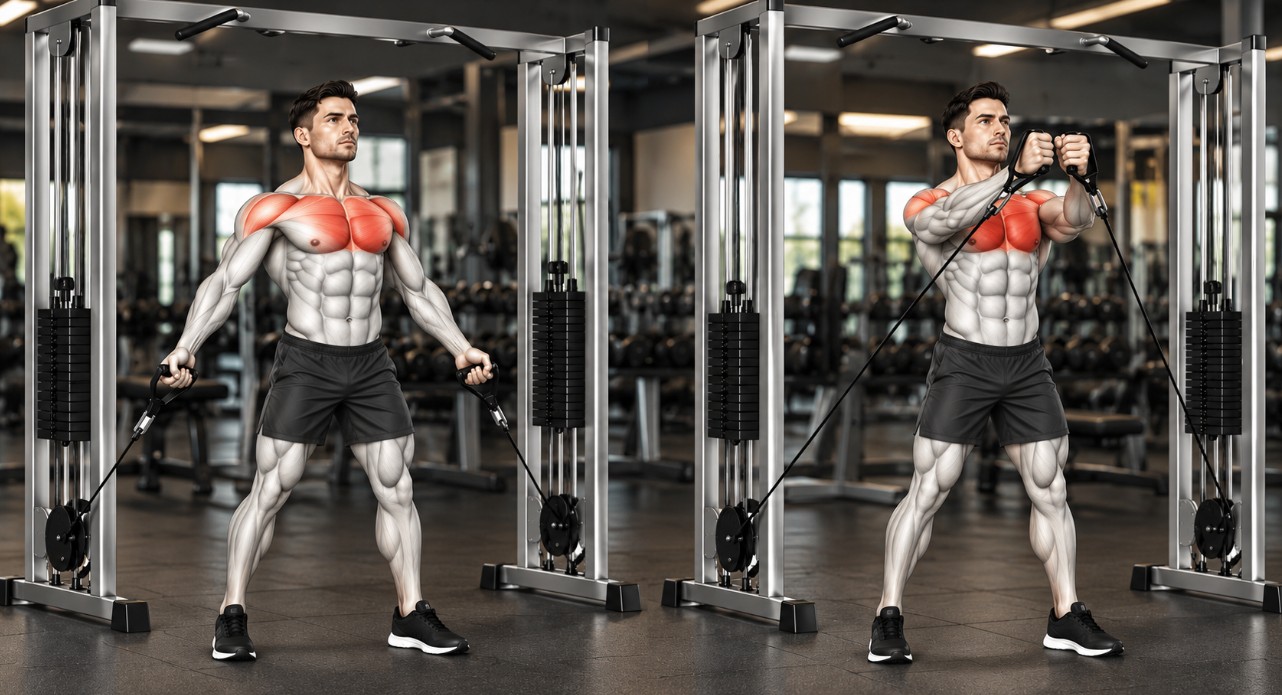
The low-pulley cable fly, often called the low-to-high cable fly, is a standing chest exercise performed between the two columns of a cable crossover machine. Instead of pulling the handles down from the high pulleys, as in the classic cable crossover, you start with the handles at the lowest pulleys and bring them upward and inward in a wide, scooping arc.
That upward path is what makes the exercise special. By combining the hugging motion of a fly with a slight lifting of the arms, the low-pulley cable fly shifts the emphasis toward the upper, clavicular portion of the chest, an area many lifters find harder to develop. It is one of the most popular cable upper chest exercises for exactly this reason.
Like the flat bench cable fly, it uses cables that keep tension on the chest throughout the movement. Because the triceps are largely removed from the exercise, it works especially well at the end of an upper chest workout, after your incline presses have already done the heavy lifting.
The low-pulley cable fly (also called the low-to-high cable fly) is a standing chest isolation exercise performed between the columns of a cable crossover machine, with the handles attached to the lowest pulleys. With the elbows slightly bent, the handles are brought upward and inward in a wide arc until they meet at about chin level, which combines shoulder flexion and horizontal adduction and emphasizes the clavicular (upper) head of the pectoralis major.
Other Names for Low-Pulley Cable Fly
The exercise has several names, all describing the upward direction of the movement.
- Low-to-high cable fly
- Low cable crossover
- Low-to-high cable crossover
- Upward cable fly
- Standing low cable chest fly
Required Equipment
You only need a cable crossover station, one of the most versatile machines in the gym. Our beginner’s guide to cable pulley machines explains how to set it up.
- Cable crossover machine with adjustable pulleys
- Two single-grip D-handles
- Optional resistance bands for the home version
How to Perform Low-Pulley Cable Fly
Your position relative to the pulleys and the height at which the handles meet determine how well the exercise targets the upper chest.
Starting Position
Set both pulleys to the lowest position and select a moderate weight on each stack.
- Attach a D-handle to each low pulley and grab one handle in each hand
- Stand in the center of the crossover, then step slightly forward so the pulleys are a little behind you
- Take a split stance with one foot forward and your knees slightly bent
- Hold the handles at your sides with your arms extended and slightly bent at the elbows
- Turn your palms to face up and slightly forward (see our guide to grip types)
- Keep your chest up, shoulders down, and core braced

Execution (Action Phase)
Move the handles in one smooth arc, keeping the elbow angle fixed from start to finish.
- Exhale and bring the handles upward and inward in a wide arc (see our guide on breathing technique)
- Keep the slight bend in your elbows throughout the movement
- Bring the handles together in front of you at about chin or upper chest level
- Squeeze your chest for one second at the top
- Inhale and lower the handles slowly back along the same arc
- Stop when you feel a stretch in your chest, before the weight stack touches
Keep your torso still throughout the set. If you need to lean back or swing to lift the handles, the weight is too heavy.
Video Demonstration
Watching the low-pulley cable fly helps you see how the arms scoop upward and inward while the elbows stay slightly bent.
In the video below, notice how the lifter stands slightly in front of the pulleys, brings the handles upward in a wide arc until they meet at about chin level, and lowers them slowly under control. The torso stays still, and the elbow angle never changes.


The low-pulley cable fly is one of those exercises that slowly changes shape as the set goes on. It starts as a nice upward hug, and by the last few reps the hands are flying up over the head like someone cheering at a concert. At that point, the front delts are doing most of the work, and the upper chest is just watching the show.
With my clients, the rule is simple: the handles finish at about chin level, not above your head. I also ask them to imagine scooping something heavy from the floor up toward their collarbones, keeping the same slight bend in the elbows the entire time. Use a lighter weight than you think, finish low enough, and the upper chest will finally get the attention it deserves.
Quick Form Checklist
Run through these cues before every set to keep the focus on your upper chest.
- Pulleys at the lowest position
- Pulleys slightly behind you
- Slight, fixed bend in the elbows
- Handles meet at chin or upper chest level
- Torso still, no leaning back
Technical Emphasis & Targeting Adjustments
Small adjustments to hand position, finishing height, and tempo change how the low-pulley cable fly feels.
- Palms up → many lifters feel the upper chest more. Turning the palms up and slightly forward is the most common hand position for this exercise. A neutral grip is a good alternative if it feels more comfortable for your wrists or shoulders.
- Finishing at chin level → chest-focused movement. Bringing the handles together at about chin or upper chest level keeps the work on the chest. Raising them higher turns the movement into something closer to a front raise.
- Pulley height → different chest regions. The lowest pulleys emphasize the upper chest, shoulder-height pulleys the middle chest, and high pulleys, as in the classic cable crossover, the lower chest.
- Peak contraction hold → stronger mind-muscle connection. Holding the handles together for 1–2 seconds increases time under tension and helps build a better mind-muscle connection with the upper chest.
- Slower eccentric → more control. Lowering the handles over 2–3 seconds keeps the chest working throughout the rep. Learn more about eccentric training and why the lowering phase matters.
Common Mistakes
The low-pulley cable fly is easy to learn, but a few common errors can shift the work away from the upper chest.
- Raising the hands too high. Lifting the handles above head level shifts the load to the front delts. Stop when your hands reach chin or upper chest level.
- Bending the elbows during the rep. Bending and straightening the elbows turns the fly into a curl or a press. Keep the same slight bend from start to finish.
- Leaning back to lift the weight. Leaning back and arching the lower back uses body momentum instead of the chest. Keep your torso still and reduce the load if needed.
- Shrugging the shoulders. Letting the shoulders rise toward the ears shifts tension to the upper traps. Keep the shoulders down and back throughout the set.
- Letting the weight stack slam. Allowing the handles to drop quickly removes tension from the chest. Control the lowering phase and stop before the plates touch.
Take one or two small steps forward from the line between the two columns, so the pulleys end up slightly behind you. This simple change makes the cables pull your arms down and back at the start of each rep.
As a result, the chest is loaded in a stretched position right from the bottom of the movement, instead of the cables only starting to work halfway up. Many lifters find the upper chest contraction much easier to feel from this position. Just don’t step so far forward that the cables pull your arms behind your body.
Mechanical Considerations
The low-pulley cable fly combines shoulder flexion with horizontal adduction, as the arms move both upward and toward the midline of the body. You can read more about these joint actions in our guide to anatomical movements. Because the clavicular head of the pectoralis major contributes strongly to shoulder flexion, this upward path logically explains the upper-chest emphasis. Research on pressing exercises supports the idea that movement direction matters: a high-density EMG study found that upward, incline pressing shifted activity toward the clavicular region of the chest.
Another key feature is cable resistance. With dumbbells, the load on the chest decreases as the arms approach the top, and research comparing dumbbell flyes with the bench press has reported lower overall chest activation during the fly. With low pulleys, the cables keep pulling the arms down and back, so the chest stays under tension near the top, applying the principle of continuous tension. No study has directly examined the low-pulley cable fly, so its upper-chest emphasis is based on biomechanics and related research. As an isolation exercise, it trains the chest without significant triceps involvement.
Muscles Worked in Low-Pulley Cable Fly
MAIN MUSCLES
- Pectoralis major (with emphasis on the clavicular head)
SECONDARY MUSCLES
- Anterior deltoid
- Biceps brachii (short head)
- Coracobrachialis
STABILIZERS
ANTAGONISTS
Low-Pulley Cable Fly Pros and Cons
The low-pulley cable fly is a valuable upper-chest exercise, but it also has limitations.
Advantages
- Upper chest emphasis. The upward path combines shoulder flexion with horizontal adduction, which many lifters feel strongly in the upper chest.
- Tension near the top. Unlike dumbbell flyes, the cables keep the chest loaded as the handles come together. This allows for a strong squeeze at the top.
- No triceps fatigue. With the triceps largely out of the exercise, you can train the upper chest hard even after heavy pressing.
- Adjustable and versatile. You can adjust pulley height, hand position, and stance, and perform the exercise with one or both arms.
Potential Drawbacks
- Requires a cable crossover. The exercise needs a cable station, which is often busy in commercial gyms. At home, bands are the only practical alternative.
- Easy to turn into a front raise. Raising the hands too high shifts the work to the shoulders. Correct finishing height is essential.
- Not suited for heavy loads. The long lever and standing position make heavy weights difficult to control. It works best with moderate loads and higher reps.
- Limited research. The upper chest emphasis is based on biomechanics and research on related exercises rather than direct studies.
Safety Considerations
A review of resistance-training injuries reported that the shoulder complex accounted for up to 36% of documented injuries and disorders, although much of the available evidence was retrospective. Keep these precautions in mind.
- Shoulder discomfort. The stretched position at the bottom of the movement loads the front of the shoulder. Avoid letting the arms drift too far behind the body, and learn more about shoulder joint anatomy.
- Previous pectoral strain. Lifters recovering from a pectoral strain should start with light loads and a reduced range of motion.
- Biceps tendon irritation. With the palms up and the arms almost straight, the biceps are involved in the movement. Lifters with biceps tendonitis may prefer a neutral grip and lighter loads.
- Lower back strain. Leaning back and arching to lift heavier weights stresses the lower back. Keep your core braced, and read more about the role of the spine in strength training.
Low-Pulley Cable Fly Variations
Single-arm low-pulley cable fly
Difficulty: Harder than the standard version

Performing the movement with one arm at a time lets you focus on each side of the chest and adjust the angle more freely. Your core must work harder to prevent the torso from rotating.
Kneeling low-pulley cable fly
Difficulty: Similar to the standard version

Kneeling between the cable columns removes the legs from the exercise and makes it harder to use body momentum. Many lifters find it easier to keep the torso still in this position.
Neutral-grip low-pulley cable fly
Difficulty: Similar to the standard version

Holding the handles with the palms facing each other changes the feel of the movement. Some lifters find this grip more comfortable for the wrists and shoulders.
Resistance band low-to-high fly
Difficulty: Similar to the standard version

Anchoring two resistance bands low on either side lets you perform the same movement at home. The resistance profile differs, as band tension increases as the bands stretch.
Paused low-pulley cable fly
Difficulty: Harder than the standard version

Holding the handles together at chin level for 2–3 seconds increases the time the upper chest spends under tension. Use slightly lighter weights than usual.
Replacement Exercises (Substitutes) for the Low-Pulley Cable Fly
If the cable station is busy or unavailable, these exercises also emphasize the upper chest.
- Incline cable fly. The incline cable fly trains the upper chest with cables while you lie on an incline bench, providing more support.

- Incline dumbbell fly. The incline dumbbell fly isolates the upper chest with dumbbells and loads it most heavily in the stretched position.

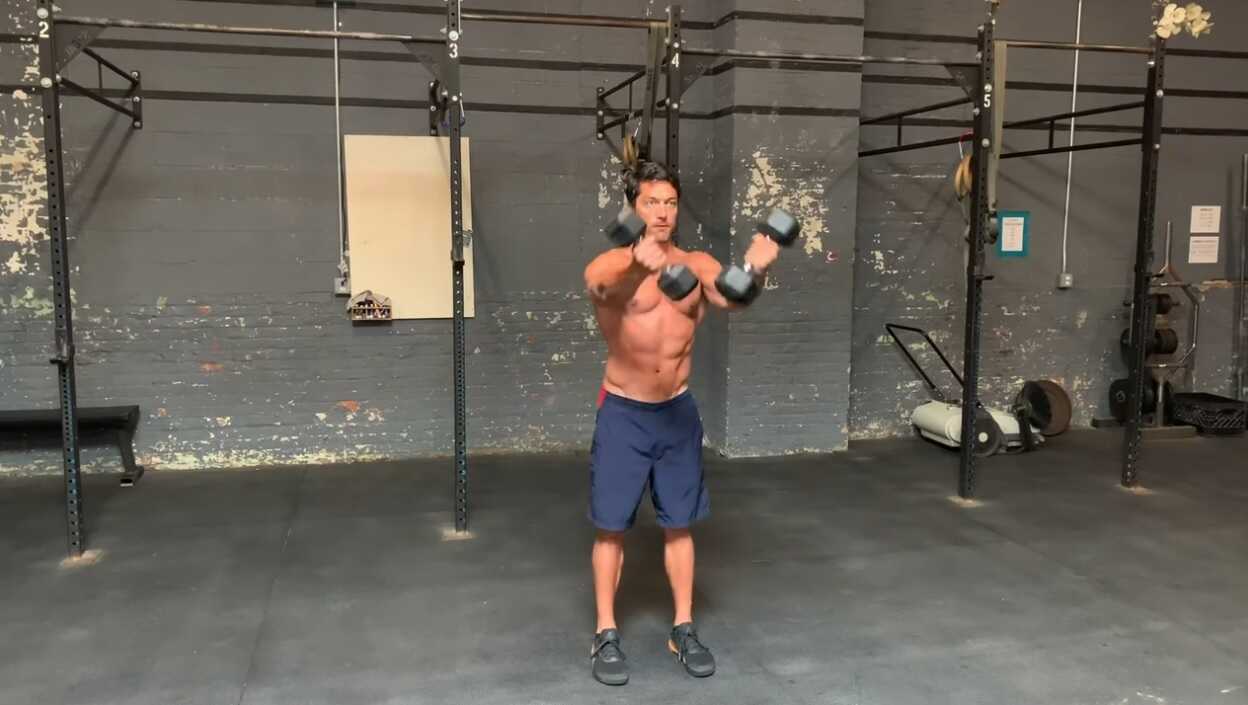
- Standing dumbbell chest fly. The standing dumbbell chest fly trains the chest from a standing position without cables.
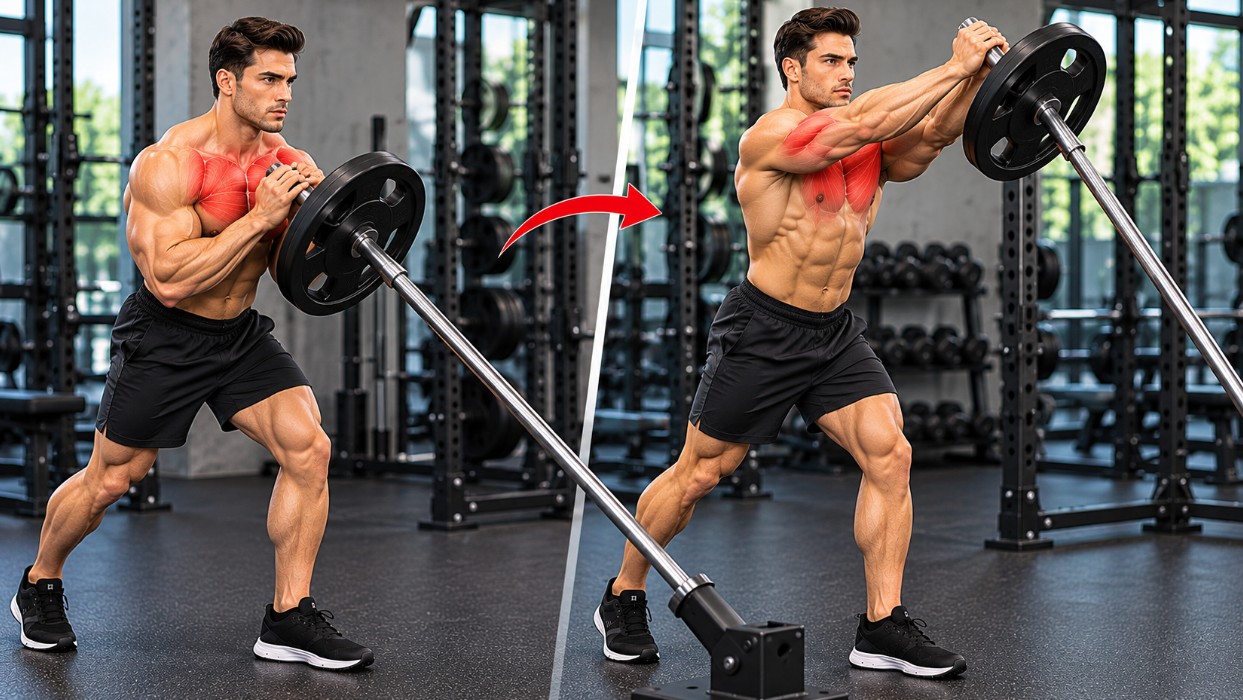
- Landmine chest press. The landmine chest press is a standing press with an incline-like angle that emphasizes the upper chest.
- Incline dumbbell bench press. The incline dumbbell bench press allows heavier loading of the upper chest.

- Machine incline chest press. The machine incline chest press provides a guided path for safe, high-effort upper chest work.

How to Program the Low-Pulley Cable Fly
How you program the low-pulley cable fly depends on your training goal and where it fits in your upper chest workout.
Show full programming guideHide programming guide ▾
| Goal | Sets | Reps | Rest | Tempo |
|---|---|---|---|---|
| Hypertrophy | 3–4 | 10–15 | 60–90 s | 2–3 s lowering, 1 s squeeze |
| Strength-focused | 3–4 | 8–10 | 90–120 s | Controlled lowering, strong squeeze |
| Muscular endurance | 2–3 | 15–20 | 30–60 s | Steady, continuous |
Muscle growth can occur across a wide range of repetitions when sets are taken close to failure, so treat these numbers as guidelines rather than strict rules. Adjust your rest periods between sets based on how recovered you feel.
- After incline presses as an upper chest finisher
- Before presses as part of a pre-exhaustion strategy
- In a superset with an incline press for extra upper chest volume
- As a lighter upper chest exercise on days when heavy pressing isn’t an option
Apply progressive overload through reps first: once you reach the top of your rep range on all sets with a controlled squeeze and the handles finishing at chin level, move the pin to the next plate. If the jump is too big, slow the lowering phase or add a short pause at the top before increasing the load.
Low-Pulley Cable Fly vs Incline Dumbbell Fly (Comparison Table)
| Criteria | Low-Pulley Cable Fly | Incline Dumbbell Fly |
|---|---|---|
| Body Position | Standing | Lying on an incline bench |
| Movement Path | Upward and inward arc | Inward arc on an incline |
| Tension Near the Top | Maintained by the cables | Low |
| Tension in the Stretch | Moderate | High |
| Core Demand | Moderate | Low |
| Equipment | Cable crossover | Dumbbells and incline bench |
| Best For | Upper chest squeeze, constant tension | Stretch-focused upper chest work, home gyms |
The incline dumbbell fly loads the upper chest most heavily in the stretched position and requires only dumbbells and a bench. It is a great option when you want to emphasize the stretch and when cables aren’t available.
The low-pulley cable fly keeps tension on the upper chest near the top, where the dumbbell fly loses most of its resistance. Because the two exercises load different parts of the movement, many lifters include both in their upper chest training.
Final Thoughts
The low-pulley cable fly is a simple and effective way to target the upper chest with cables. By bringing the handles upward and inward in a smooth arc, it combines shoulder flexion with horizontal adduction and keeps the chest under tension near the top of the movement.
Step slightly in front of the pulleys, keep your elbows fixed, and finish at chin level rather than above your head. Used after your incline presses, it can help you build a fuller upper chest. To learn more about the bone where the upper chest attaches, read our guide to the clavicle.
Frequently Asked Questions
Does the low-pulley cable fly work the upper chest?
The upward path combines shoulder flexion with horizontal adduction, and research on pressing shows that upward pressing directions shift activity toward the clavicular (upper) head. No study has measured the low-pulley cable fly directly, so this emphasis is based on biomechanics and related research.
What is the difference between the low-pulley cable fly and the cable crossover?
The low-pulley cable fly starts with the handles at the lowest pulleys and moves upward. The classic cable crossover uses the high pulleys and moves downward, which shifts the emphasis toward the lower chest.
How high should the handles go?
Bring the handles together at about chin or upper chest level. Raising them higher turns the movement into a front raise and shifts the work to the front delts.
Should my palms face up or toward each other?
Most lifters perform the exercise with the palms facing up and slightly forward. A neutral grip, with the palms facing each other, is a good alternative if it feels more comfortable for your wrists or shoulders.
Where should I stand?
Stand in the center of the cable crossover, then take one or two small steps forward so the pulleys are slightly behind you. This keeps tension on the chest from the very start of the movement.
How heavy should I go on the low-pulley cable fly?
Use a weight that allows 10–15 controlled reps with a fixed elbow angle and a one-second squeeze at the top. If your hands drift above your head or your elbows bend more, the weight is too heavy.
Is the low-pulley cable fly better than the incline dumbbell fly?
Neither is strictly better. The cable version keeps tension near the top of the movement, while the incline dumbbell fly loads the chest most heavily in the stretched position. Many lifters use both.
Can I do the low-pulley cable fly with one arm?
Yes. The single-arm version lets you focus on each side of the chest and adjust the angle more freely. Brace your core to keep your torso from rotating.
Can I do the low-pulley cable fly at home?
Yes. Anchor two resistance bands low on either side of you and perform the same upward arc. The resistance profile differs from cables, as band tension increases as the bands stretch.
Does the low-pulley cable fly build the inner chest?
There is no strong evidence that any exercise selectively builds the inner chest. The squeeze at the top makes the contraction easy to feel near the midline, but the whole pectoralis major is working.
